Words: Jitender // Photography: Immerse India
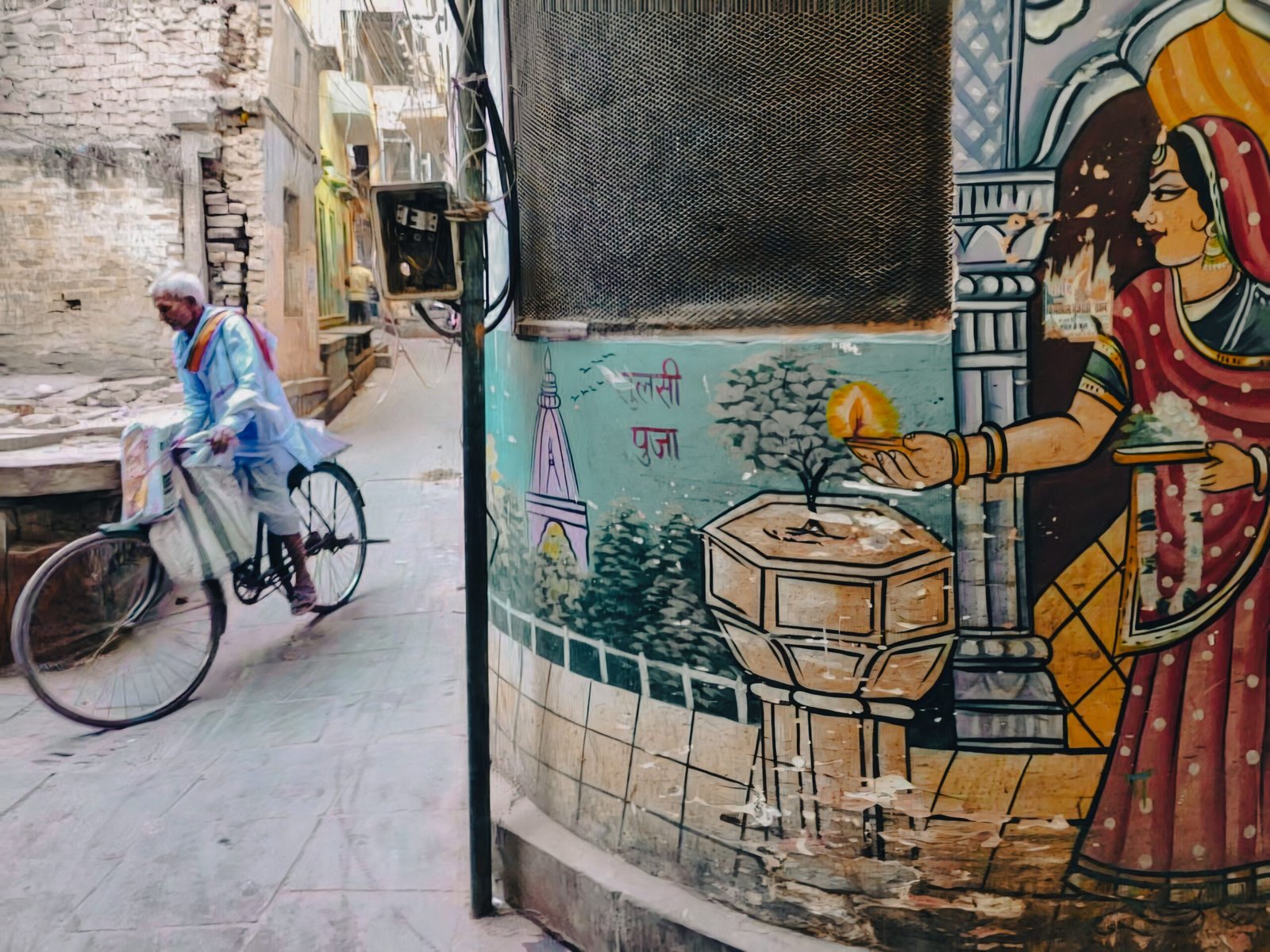
I have seen this happen many times. I come from Varanasi, after all. I have grown up with its temples, its narrow lanes, its morning bells, and the familiar sound of people greeting one another as they make their way through the city. Yet every Diwali, when I return to these familiar streets, I find myself looking at them a little differently.
Perhaps this is one of the strange things about belonging to a place. The more familiar something becomes, the easier it is to stop noticing it. A festival has a way of interrupting that habit.
Varanasi is often described as one of the world’s oldest continuously inhabited cities. It is a place where death and devotion, business and belief, the ordinary and the extraordinary occupy the same narrow stretch of street. A man sells vegetables beneath a temple bell. A family negotiates the price of flowers while pilgrims pass carrying offerings. A boatman calls out to potential passengers as the sun rises over the river. Life does not stop to make room for the sacred. Here, the sacred has become part of life.
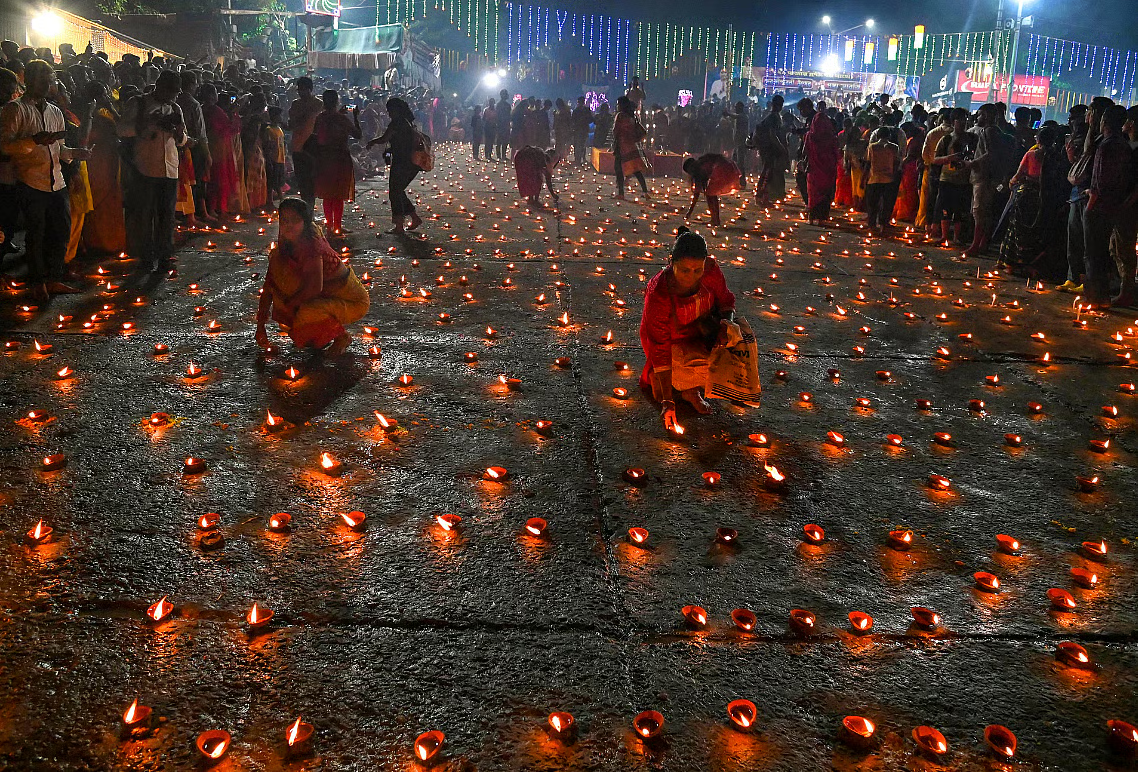
However, in Varanasi, the transformation feels more complicated. The city is already crowded with stories about gods, rivers, salvation, and the passage of time. Diwali does not introduce these ideas. It brings them closer to the surface. People light lamps in their homes, shops, and courtyards. Families exchange sweets and visit relatives. Markets become crowded with shoppers looking for flowers, earthen lamps, and gifts. The city prepares for the festival with the practical enthusiasm of a place that has celebrated it for generations.
But something else is happening, too. Beneath the activity lies an old and persistent question: What does light mean to us?
Ask different people why they celebrate Diwali, and you may receive different answers. For many Hindus, the festival commemorates the return of Lord Rama to Ayodhya after fourteen years of exile and his victory over Ravana. In other traditions, Diwali is associated with Lakshmi, the goddess of prosperity, and with the beginning of new financial and personal chapters. For Jain communities, the day commemorates Mahavira’s nirvana. In parts of India, it also marks stories and traditions associated with Krishna and other deities. These accounts are not identical, nor do they need to be. A festival can carry several meanings at once.
In Varanasi, there is a tendency to view such traditions through the rhythms of everyday life. The religious calendar is not merely a record of dates. It shapes when families gather, when businesses begin new account books, when people travel home, and when neighbourhoods find reasons to celebrate together. The same lamp can be an offering to a deity, a symbol of prosperity, a gesture of welcome, or simply a way to make a home feel warm. Perhaps the power of Diwali lies partly in this ability to bring different expectations into a shared space. We do not all have to tell the same story to understand why the light matters.
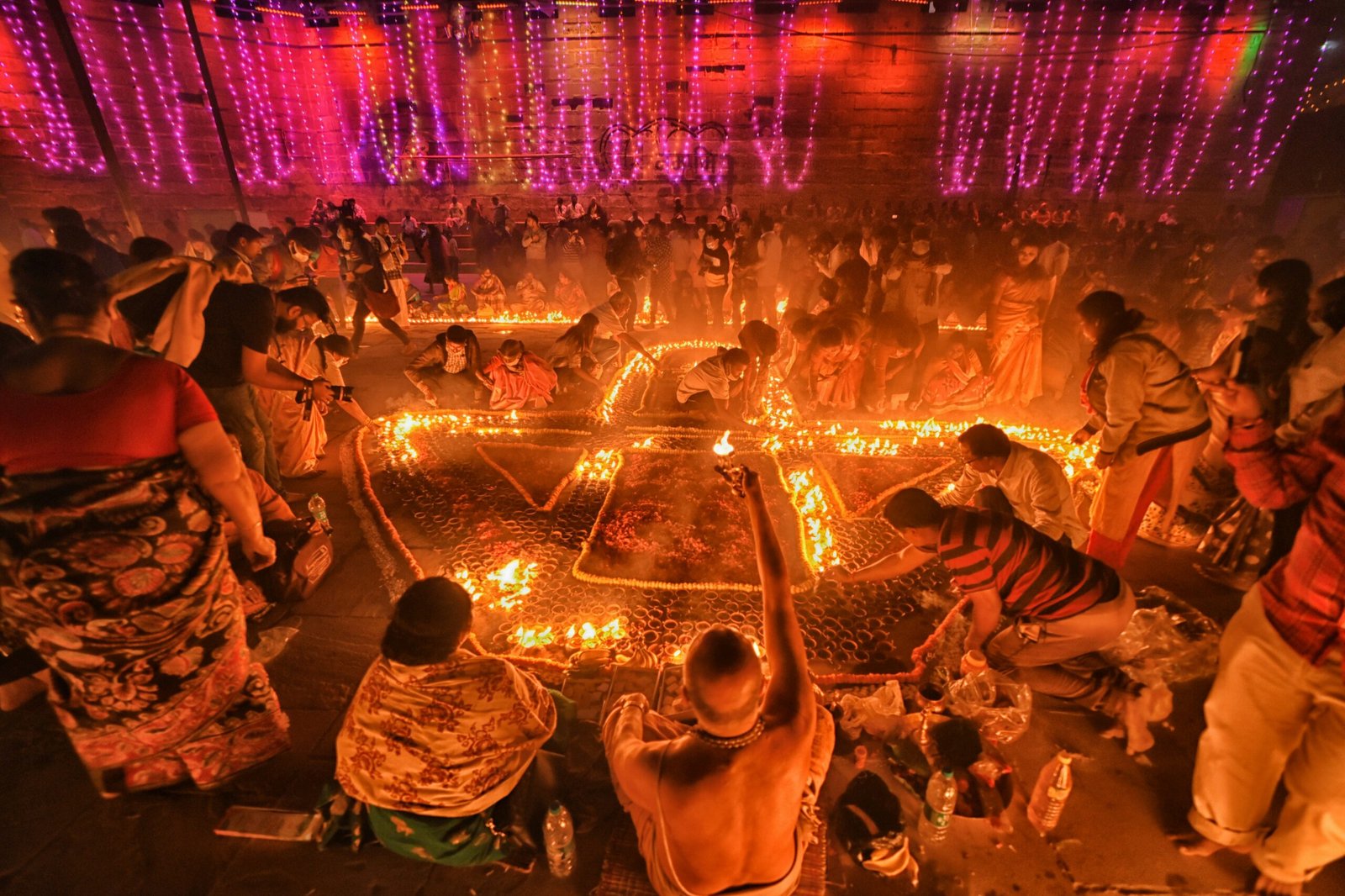
If I had to recommend you one place to experience Diwali in Varanasi, it would be the ghats. The riverfront is never entirely still. Even on an ordinary day, there are people bathing, praying, washing clothes, selling flowers, rowing boats, and sitting quietly with thoughts they may never put into words. The Ganges is a river, but it is also a presence in the lives of the people who live beside it.
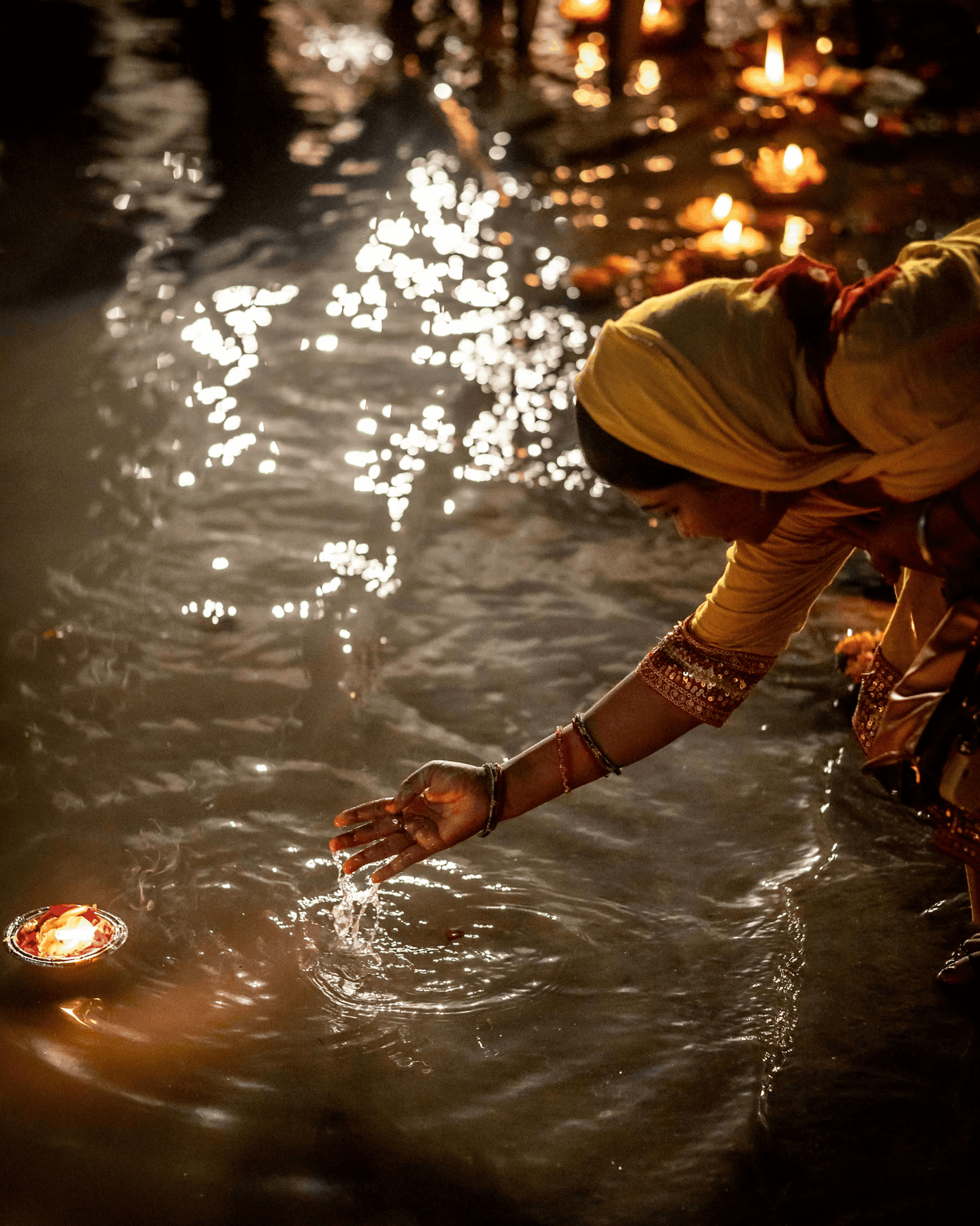
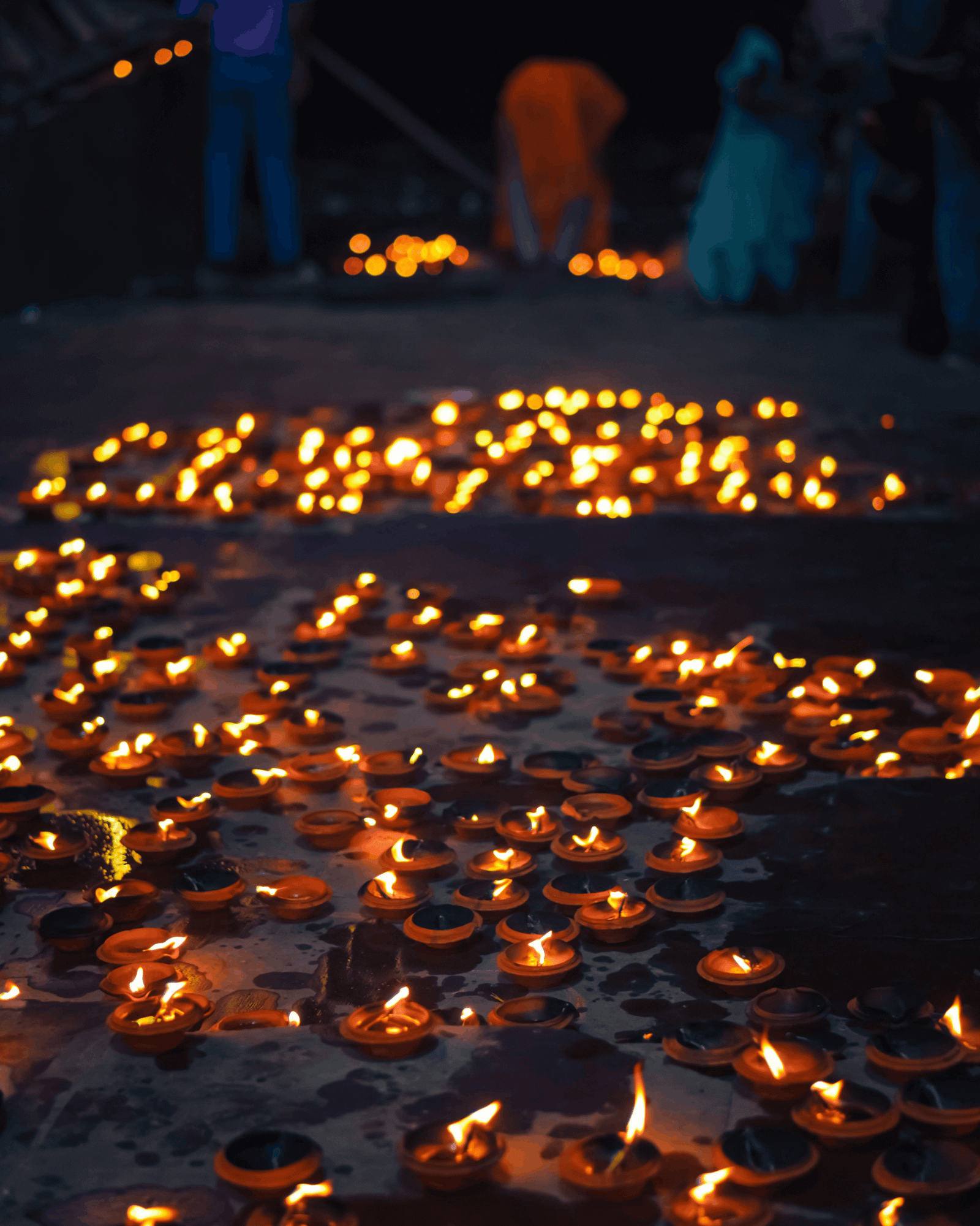
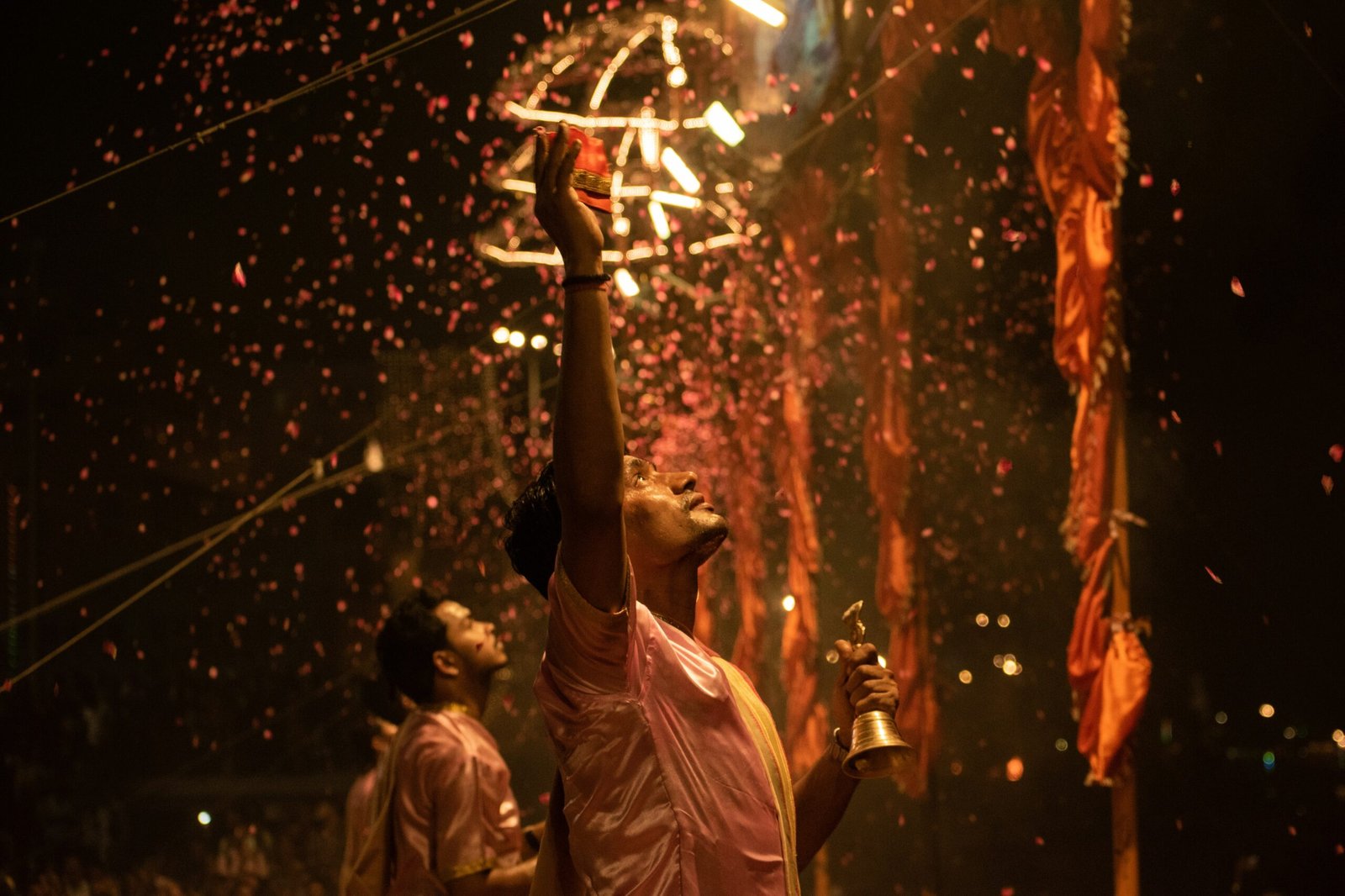
During the festival season, the ghats take on another character. Lamps appear along the steps. Families gather near the water. Visitors search for a place from which to watch the celebrations. The reflections multiply, breaking apart whenever a boat passes or the current shifts. From a distance, it can look like a perfect picture: an ancient city, a sacred river, thousands of lights.
A celebration can be magnificent and still leave us with responsibilities. The lamps may be temporary, but the river remains long after they have gone out. This is one of the things I wish more visitors would understand about Varanasi. The city offers extraordinary sights, but its deeper rewards come when we look beyond what is immediately visible.
Working in travel has changed the way I think about my hometown. When you help people discover a destination, you learn to notice things that might otherwise escape your attention. You begin to ask questions about why a particular tradition exists, who keeps it alive, and what a visitor might miss by arriving at the wrong moment or seeing a place only from the outside. You also learn that knowing a place and understanding it are not necessarily the same thing.
I can tell someone where to find a busy market, which lanes lead towards the river, or when the ghats are likely to be crowded. But explaining what Varanasi means to the people who live here is a different task altogether. It means understanding that the city belongs to its residents as much as it welcomes its visitors. It means recognising the shopkeeper who has worked through the festival season for decades, the family preparing sweets at home, the boatman whose working day begins before sunrise, and the people who come to the river not to see a spectacle but to continue a practice that has shaped their lives.
For a visitor, Diwali is the highlight of a journey. For someone who lives here, it is also a day of preparations, errands, family obligations, familiar conversations, and small rituals. That ordinary side of the festival matters. Without it, we risk turning a living tradition into a performance arranged for an audience. The best travel experiences, I believe, let us witness a place without making it feel as though it exists only to be witnessed.
An uncomfortable contradiction lies in how we celebrate festivals today. We speak of light, renewal, and prosperity, yet our celebrations can produce smoke, noise, waste, and pressure on the very places we admire. In a city as densely populated and environmentally sensitive as Varanasi, these consequences are difficult to ignore.
This does not mean that festivals must become quieter, smaller, or less joyful in every respect. Traditions are not museum exhibits. They change as people find new ways to practise them.
It does mean we can choose how we celebrate. A clay lamp does not need to compete with a spectacular fireworks display to have meaning. A family gathering does not become less memorable because it creates less waste. A visitor does not need to photograph every moment to appreciate being present.
Sometimes, the most meaningful thing we can do is participate with a little more awareness.
Respect for a destination begins when we stop treating its beauty as an unlimited resource.
Every year, the lamps are lit, the sweets are shared, and the crowds make their way towards the river. Eventually, the celebrations end. The markets return to their usual rhythms, the decorations disappear, and Varanasi becomes, once again, the city of everyday life. And yet, something remains.
For me, Diwali is not about the return of light. It is also about the return of attention. It reminds me to notice the city I know so well, to look again at the people and places I might otherwise take for granted, and to recognise that familiarity need not diminish wonder. I often think that visitors come to Varanasi searching for an experience they cannot find anywhere else. They want to witness its history, its spirituality, its river, and its remarkable ability to bring together so many different expressions of life.
They will find all of these things. But I hope they also discover something quieter: that a place reveals itself gradually, through the time we give it and the respect with which we approach it.
When I stand beside the Ganges on Diwali evening, watching the lamps shimmer across the water, I do not feel that I am witnessing something entirely new. I am seeing something familiar, renewed.
This is an excerpt from the travel notes of Ujjwal, founder of Immerse India Tours, a lifelong traveller who built the company on a single conviction, that tourism should enrich the places it touches rather than wear them down, strengthening local communities and protecting the landscapes that draw us to them.
Enjoyed this story? Subscribe to Immerse India’s monthly newsletter, “The Peep”. Discover expert travel insights, offbeat destinations, community stories, and thoughtfully curated experiences designed to help you explore India deeper and more consciously.
Words & Insights : Ujjwal
Additional Photography: Immerse India
Copyright belongs to the authors. All rights reserved.