Words & Photography: Ujjwal // Additional Photography: Immerse India
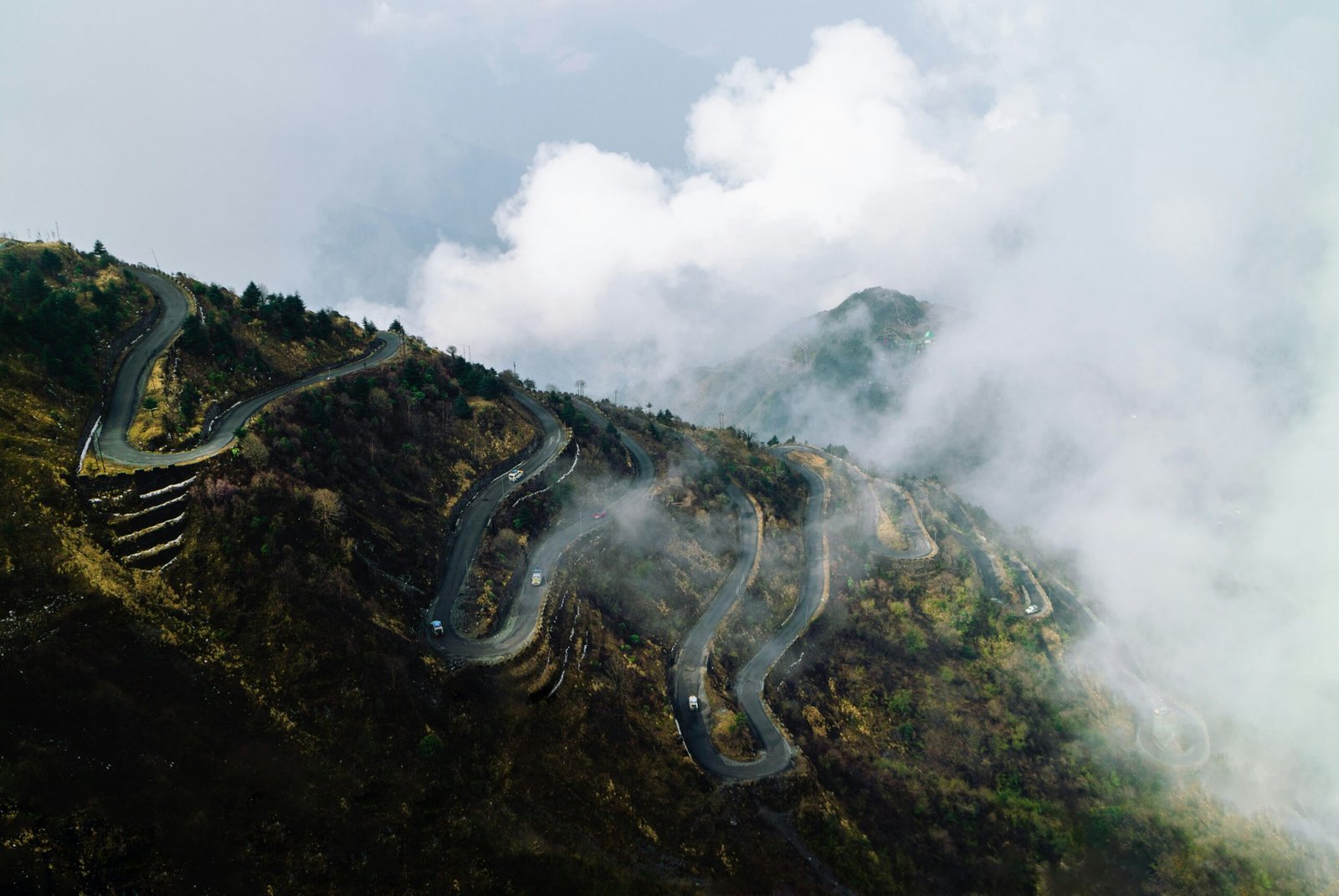
India has the second-largest road network on Earth. Almost none of it conducts the way a first-time visitor expects. We drive on the left here, in principle. In practice, the road belongs to whoever commits to it hardest. A good driver reads that unwritten code the way a sailor reads the weather. He knows which national highways run clean and which crawl for no reason, when a two-hour gap on the map turns into five, how to take a hill road up to Shimla or Munnar without leaving the back seat a delicate shade of green. He is chauffeur, guide, and something no job description ever covers. All of it is real skill, earned over hundreds of thousands of kilometres. It is also the first thing he hides from you. The better he is, the calmer the car feels, and the less you sense he is doing anything at all.
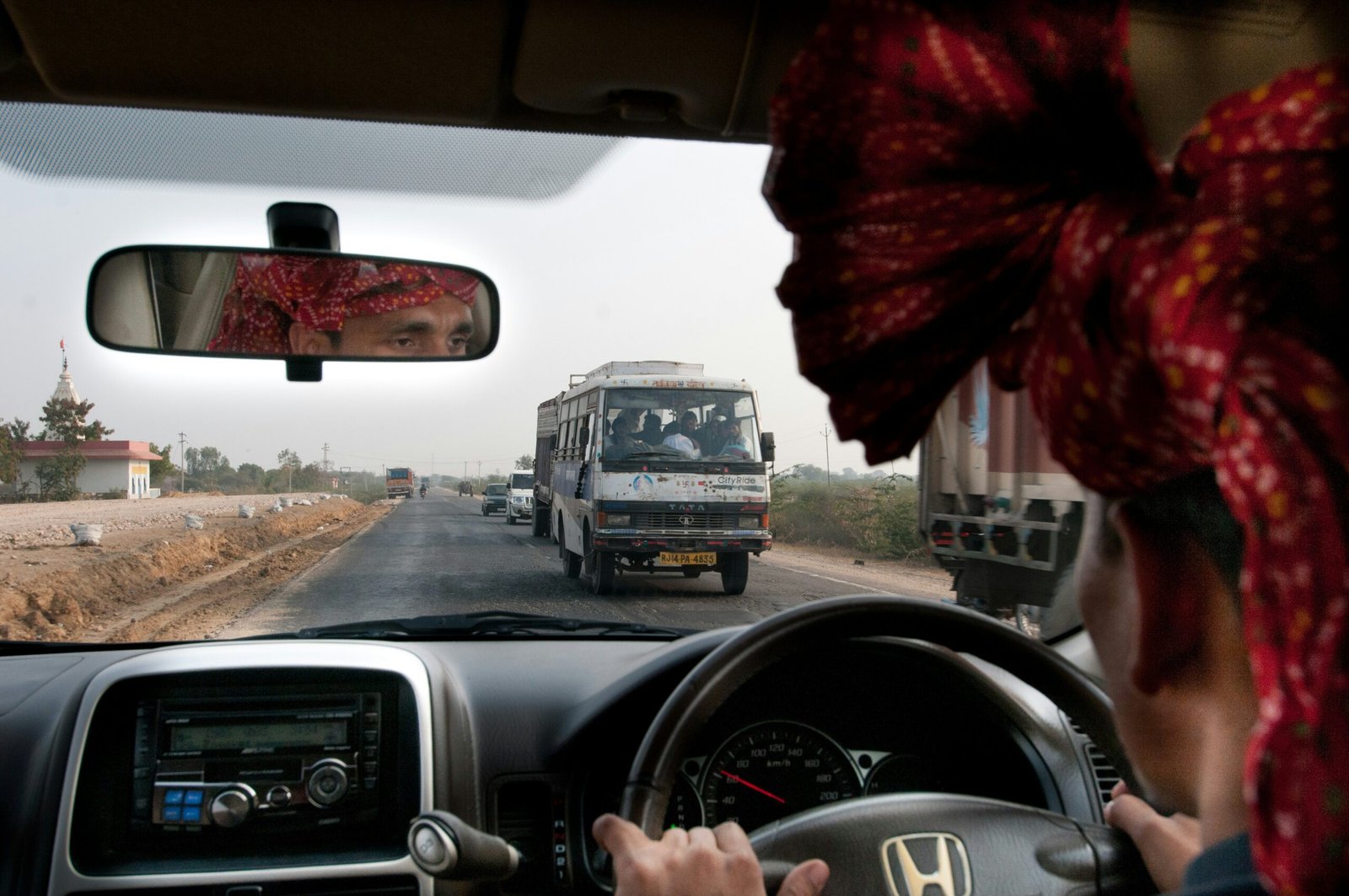
Good driving in India is mostly about reading ahead. A lorry drifting wide, a cow crossing at leisure, a school run that reliably adds twenty minutes to the afternoon. He sees all of it coming, plans around it, and keeps the car moving without you ever noticing a decision was made. Watch closely, and the range comes through. Morning traffic in Delhi that moves like a contact sport, a desert highway in Rajasthan with nothing on it for an hour, a mountain pass where the tarmac gives out altogether. He handles the lot with the same unbothered patience, one hand near the horn, the other on the wheel, keeping a car of strangers safe and roughly on schedule.
Most visitors never grasp how hard that is, which is exactly the point of doing it well.
When guests look back on their India tour, appreciation for the forts, the sunsets, and the food almost always comes up. What they rarely clock is the scaffolding the driver built under all of it. He is the one who found a clean loo in the middle of nowhere, who knew the single tea stall where stopping was worth it, who had a cold bottle of water within reach before anyone thought to ask.
A driver reads his passengers just as carefully as he reads the road.
The window preferences, the music, how long before the questions should ease off, all of it registered and filed away in the first hour. Outside palaces and museums, through long slow lunches, the wait stretches on in heat that would flatten most people; the greeting at the end carries no trace of any of it. When a pushy vendor closes in, the driver materialises at your shoulder. When a plan comes apart, and in India it occasionally will, he has usually found the way round it before you register that a problem existed.
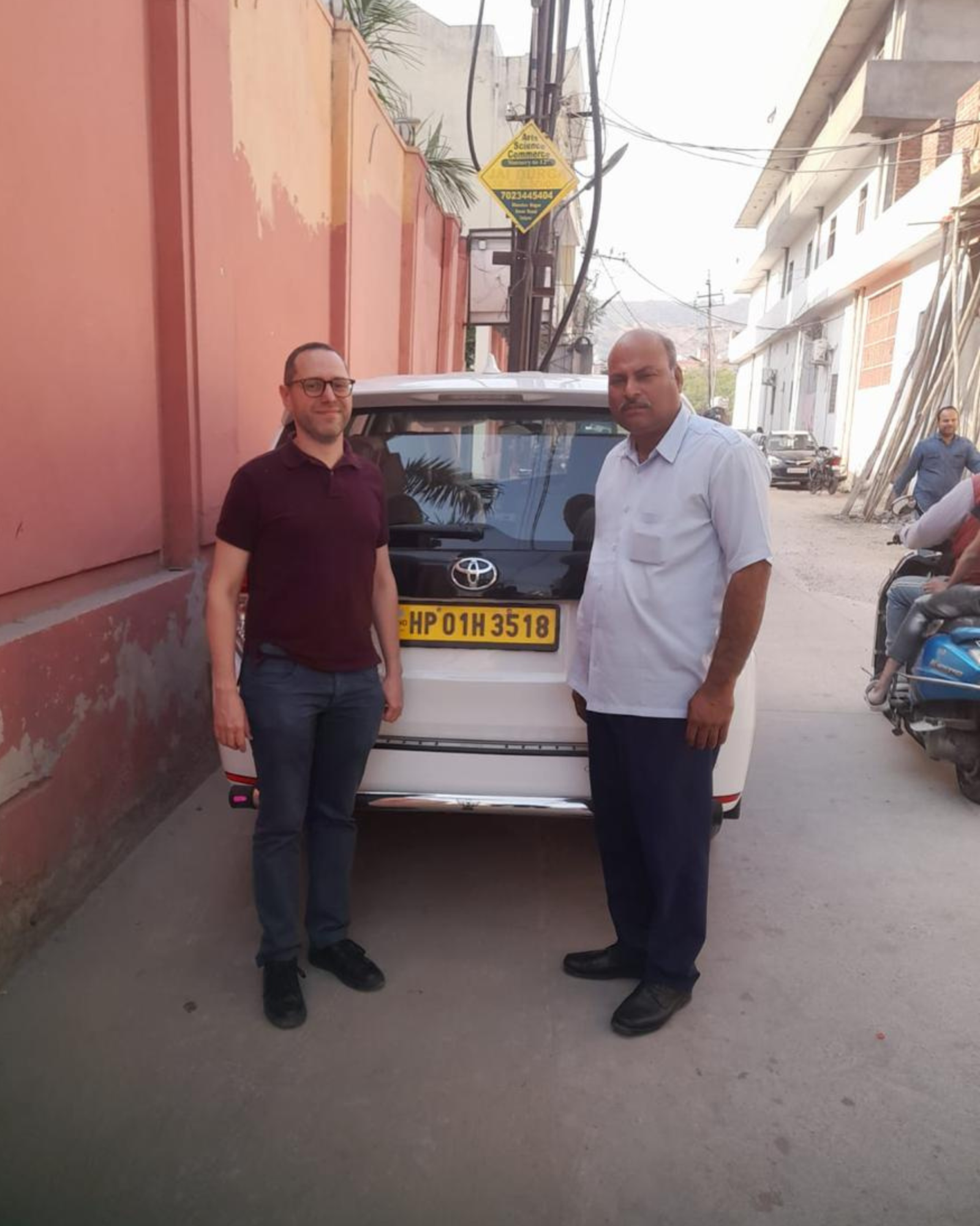
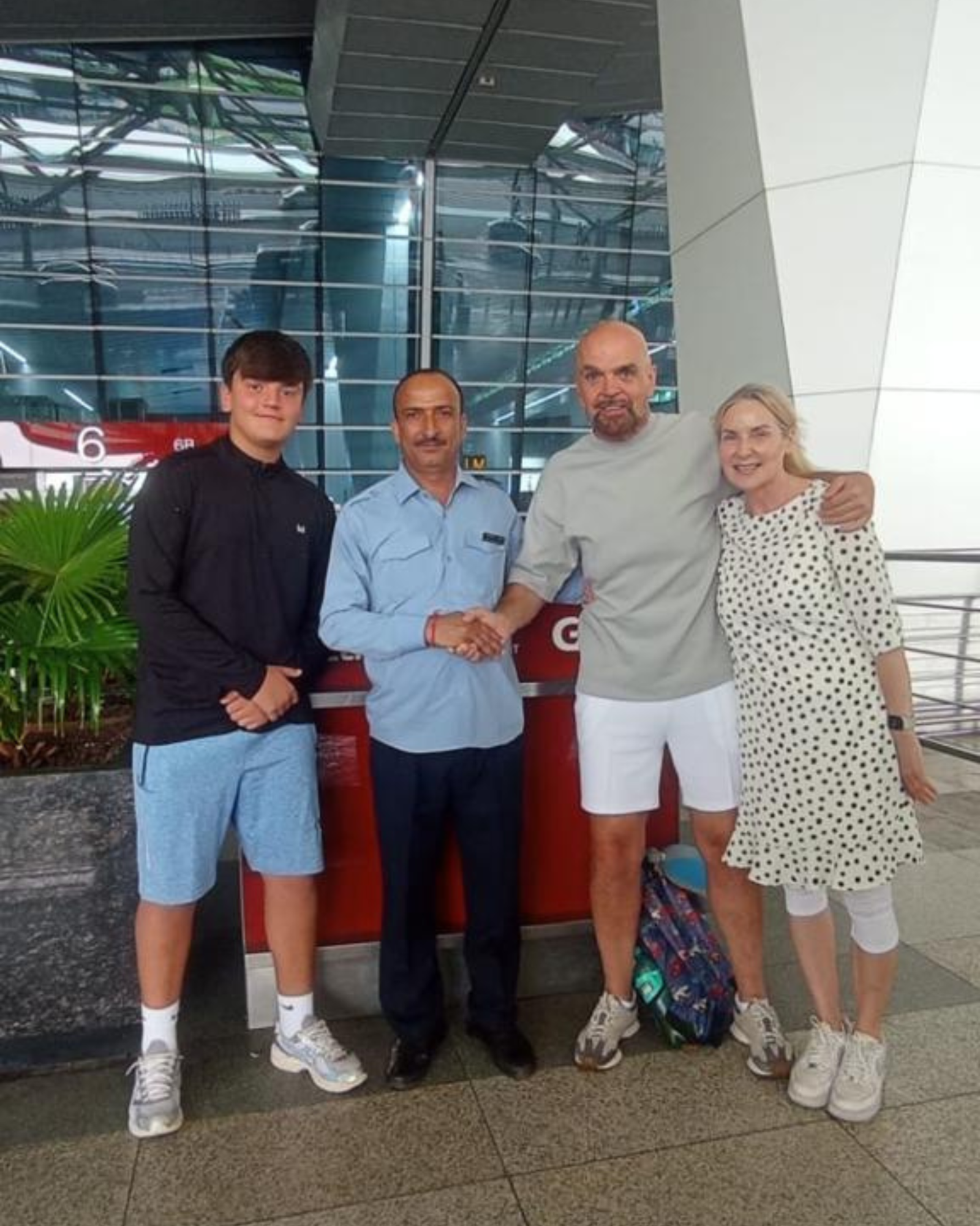
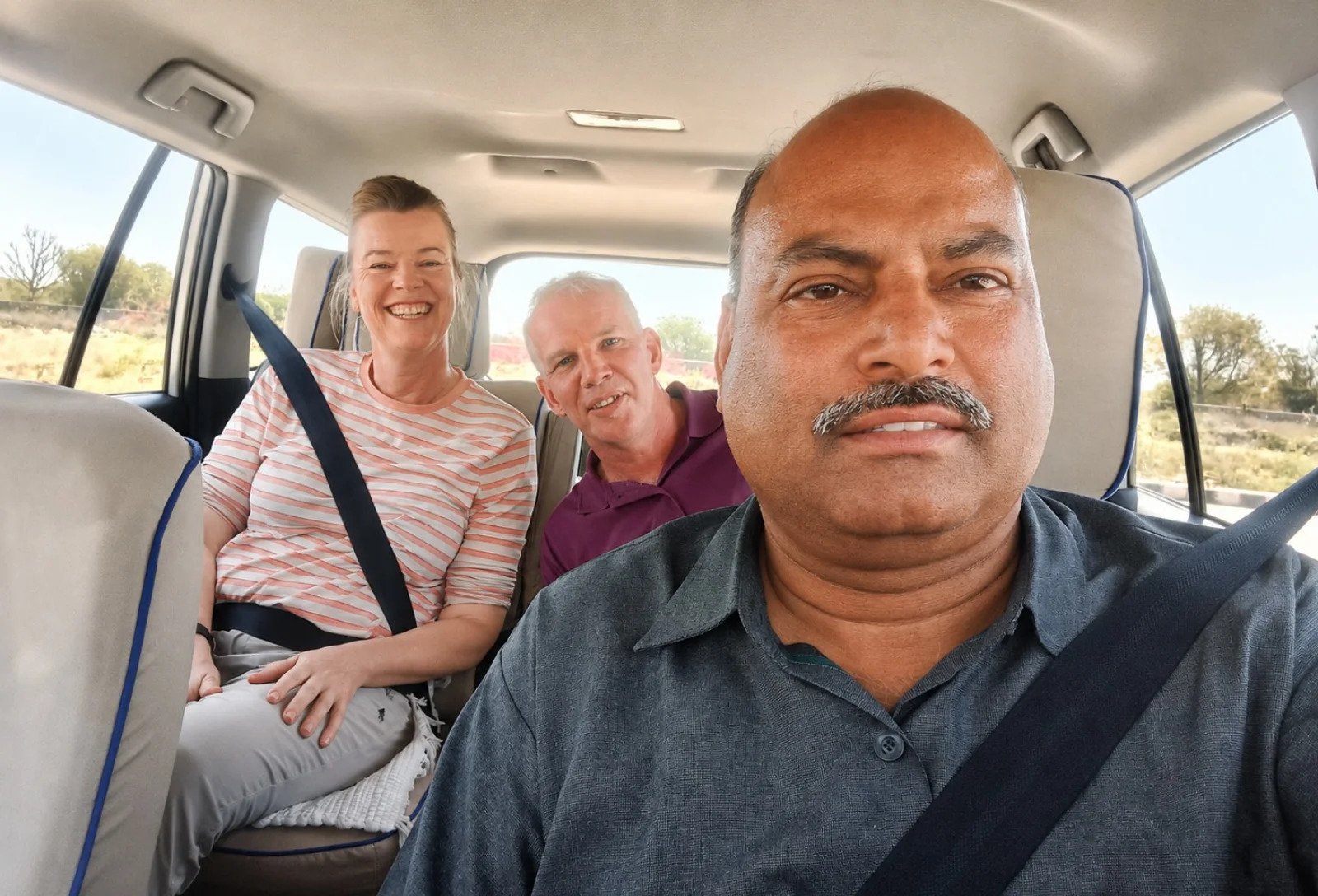
Spend ten days in a car with someone and a rapport sets in that no hotel can simulate. You learn about his village and his children. He learns your coffee order, your worries, your terrible jokes. On the road, you are two people getting somewhere together, which levels things in a way a hotel lobby never will. By the end, the goodbye at the airport is doing more emotional work than either of you signed up for.
I have watched this turn into something lasting more times than I can count. One traveller, invited home for a meal by her driver, still rates that single lunch above every grand restaurant on her trip. A couple asked their driver and his wife to join them for dinner in Delhi on the final night. One traveller went a good deal further, flying back to India years later for the wedding of a driver’s son, seated as a guest of honour at a celebration he could never have pictured when he first booked a holiday to India.
My own favourite is a small reversal of the usual order, the driver who, forever handing over his phone to be photographed, was taught by his guest how to frame a proper selfie.
These bonds form easily, and the hours in the car are only part of the reason. A driver is the first Indian face you see as you walk out of arrivals and the last one waving as you head through departures.
In between, he is your translator, your fixer and your bodyguard, his local knowledge worth more than any guidebook you packed. Unlike every other face on a trip, the driver is there from the first morning to the last, the one person who sees your journey whole.
We could talk all day about our itineraries, the hotels, the carefully chosen stops, all of which matter. Yet when people tell me they came home impressed by an India tour, and a surprising number say exactly that, there is nearly always a driver somewhere in the story. So take this as a small tribute to them, the men at the wheel who carry you across a vast, gloriously unruly country. Somewhere between the airport and the last goodbye, they stop being staff and become the reason people come back.
For all the planning we do, the best of travelling in India is usually discovered from the passenger seat.
This is an excerpt from the travel notes of Ujjwal, founder of Immerse India Tours, a lifelong traveller who built the company on a single conviction, that tourism should enrich the places it touches rather than wear them down, strengthening local communities and protecting the landscapes that draw us to them.
Enjoyed this story? Subscribe to Immerse India’s monthly newsletter, “The Peep”. Discover expert travel insights, offbeat destinations, community stories, and thoughtfully curated experiences designed to help you explore India deeper and more consciously.
Words & Insights : Ujjwal
Additional Photography: Immerse India
Copyright belongs to the authors. All rights reserved.