Words & Photography: Madhu Chaudhary // Additional Photography: Immerse India
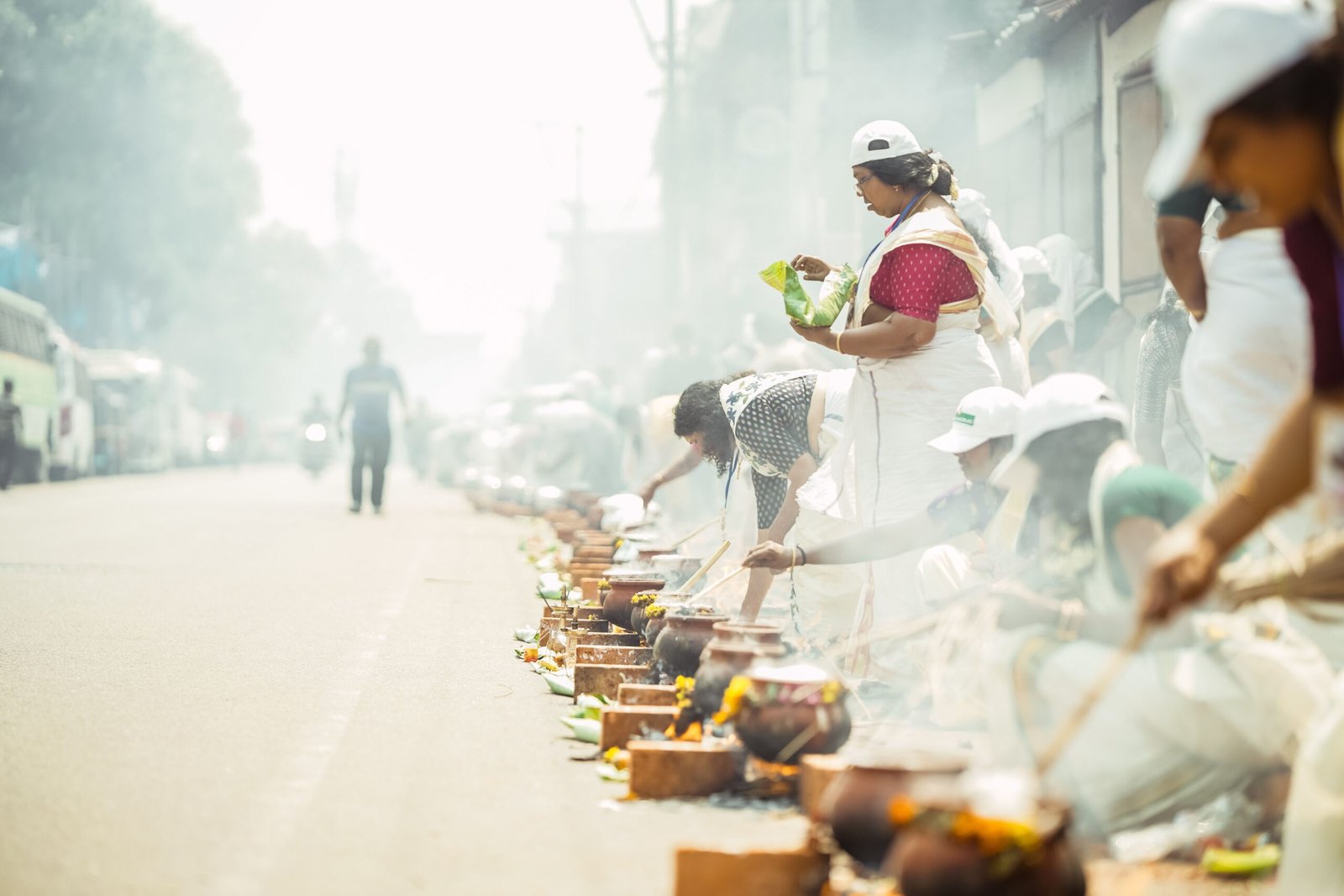
Restaurants collect the awards. The food most people grew up on comes off a home stove, cooked by primarily women who were never trying to win any.
Start with a simple bowl of dal. It turns up on tables from Kashmir to Kanyakumari, refusing to hold still. Punjab makes dal makhani, black lentils kept over a low flame all night until they go dark and glossy, then loaded with butter and cream until the health benefits turn frankly theoretical.
Rajasthan counters with panchmel, five pulses cooked together, heavy on the chilli, food for a place where not much grows.
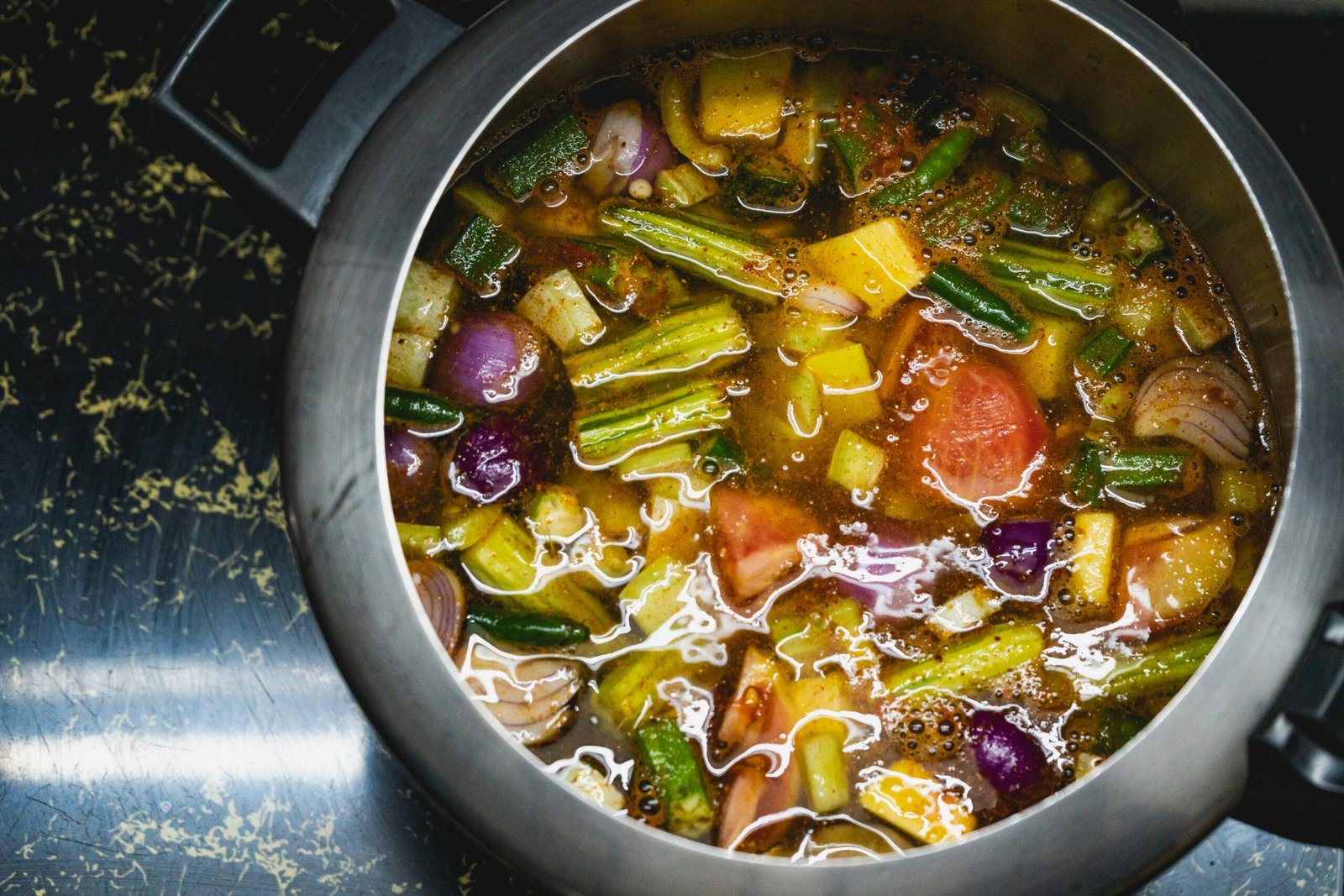
Head south, where the same idea becomes sambar, thin and sour with tamarind, carrying whatever vegetables the week can spare.
Bengal takes it the other way, light, almost a soup, finished with a sharp thread of mustard oil.
One humble ingredient, cooked a dozen ways, each region convinced its own is the only correct one. That is regional Indian food in a single bowl.
Here is the part that unsettles people who picture Indian cuisine as old and unchanging. That defining chilli heat is not Indian at all. Portuguese ships brought it over from the Americas in the sixteenth century, along with the potato and the tomato. Local kitchens adopted all three faster than seemed decent.Before the chilli turned up, the heat came from black pepper and from long pepper, two elder Indian spices, the second now mostly gone from the shelf. Those same traders are usually credited with teaching the curdling of milk, which gave Bengal chhena, the soft fresh cheese behind its whole industry of sweets.
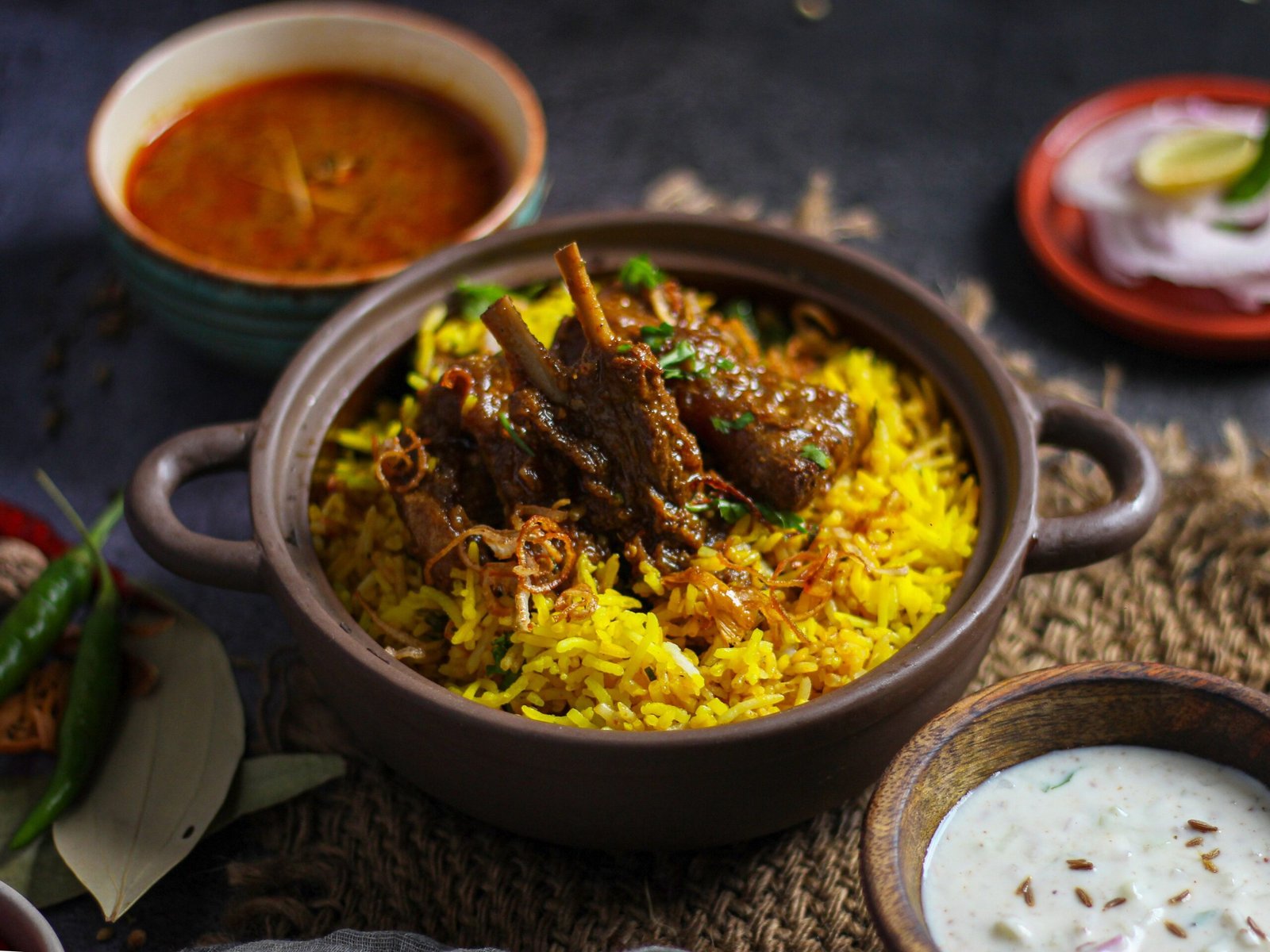
Biryani got here the same way, by travelling. Its name comes from a Persian word for frying before cooking. It arrived through Mughal and Persian kitchens before scattering across the country, splitting into schools that barely acknowledge one another.
Hyderabad makes it fierce, rice and marinated meat sealed in one pot to cook in their own steam.
Lucknow goes gentle and perfumed, the two cooked separately, joined only at the finish.
Kolkata sneaks in a potato and a boiled egg, which locals will defend to the death.
Kerala leans on a short grain, coconut, the morning’s catch.
Ask which one is the real biryani and you have started a fight with no winner.
Abroad, the whole cuisine tends to shrink to a handful of greatest hits: butter chicken, some tikka, a naan, a biryani, maybe a korma on a brave night. All of it is very good, most of it built to travel, sanded down for dining rooms a long way from any source.
Left off that list is close to everything else worth eating, the dawn breakfast in a Tamil household, the batter soured overnight for dosa, the pickles put down under the summer sun to last the year, the single sweet a family makes for one festival before it vanishes for another twelve months. What crossed the border is the polished ambassador, sent out to represent a family that mostly stayed home.
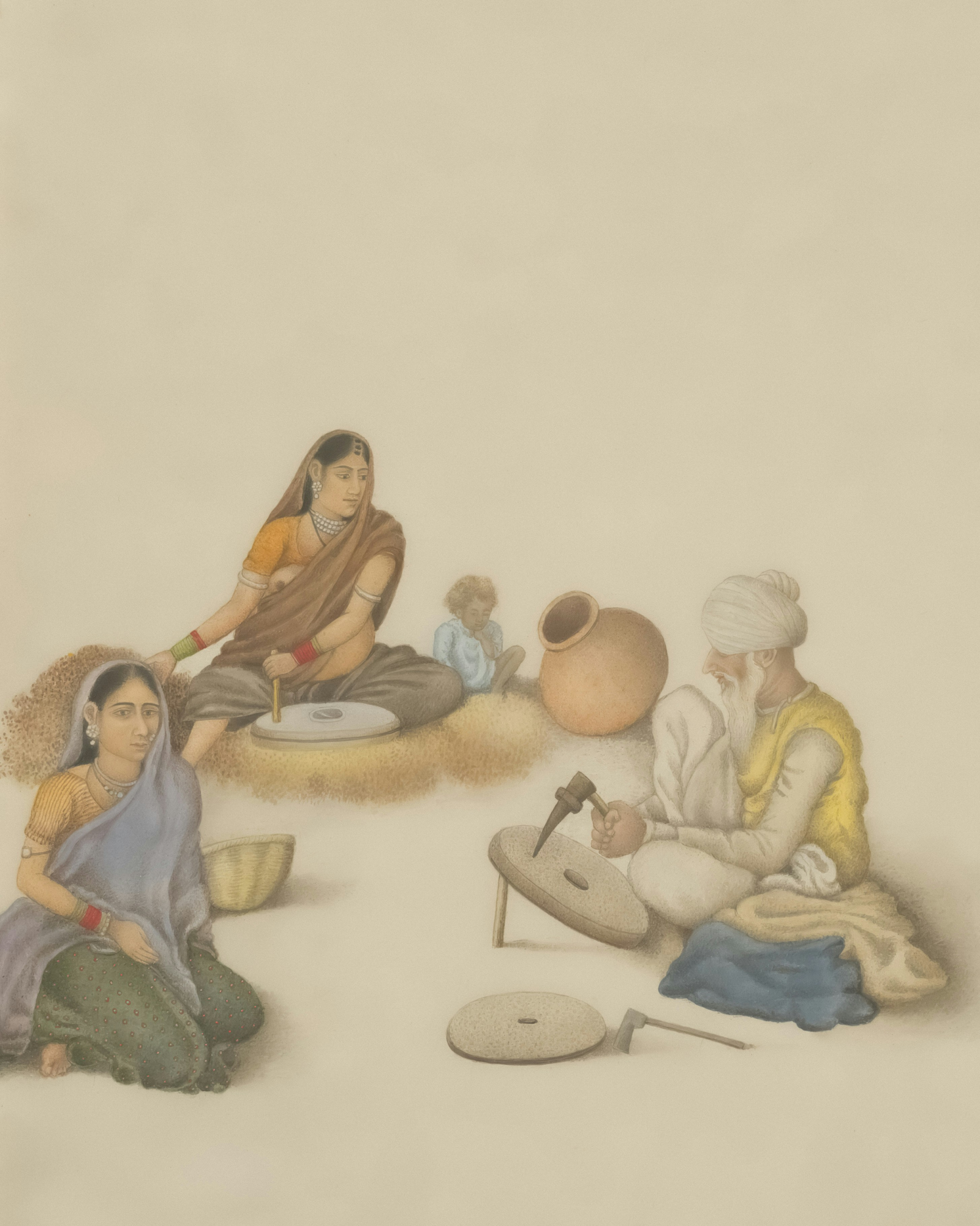
Every wellness menu these days charges extra for what rural India has done all along, that is, eating in season, wasting almost nothing, cooking on local grain, letting food ferment because that is how you make it last. No one in those kitchens ever called it wellness. Those millets now sold back to us as a discovery, bajra, jowar, ragi, have fed the dry districts of India for centuries as plain bread and porridge.
In 2023, the United Nations, on a proposal India put forward, gave them a whole International Year. Sustainability, then, reached the branding people some while after it reached the fields.
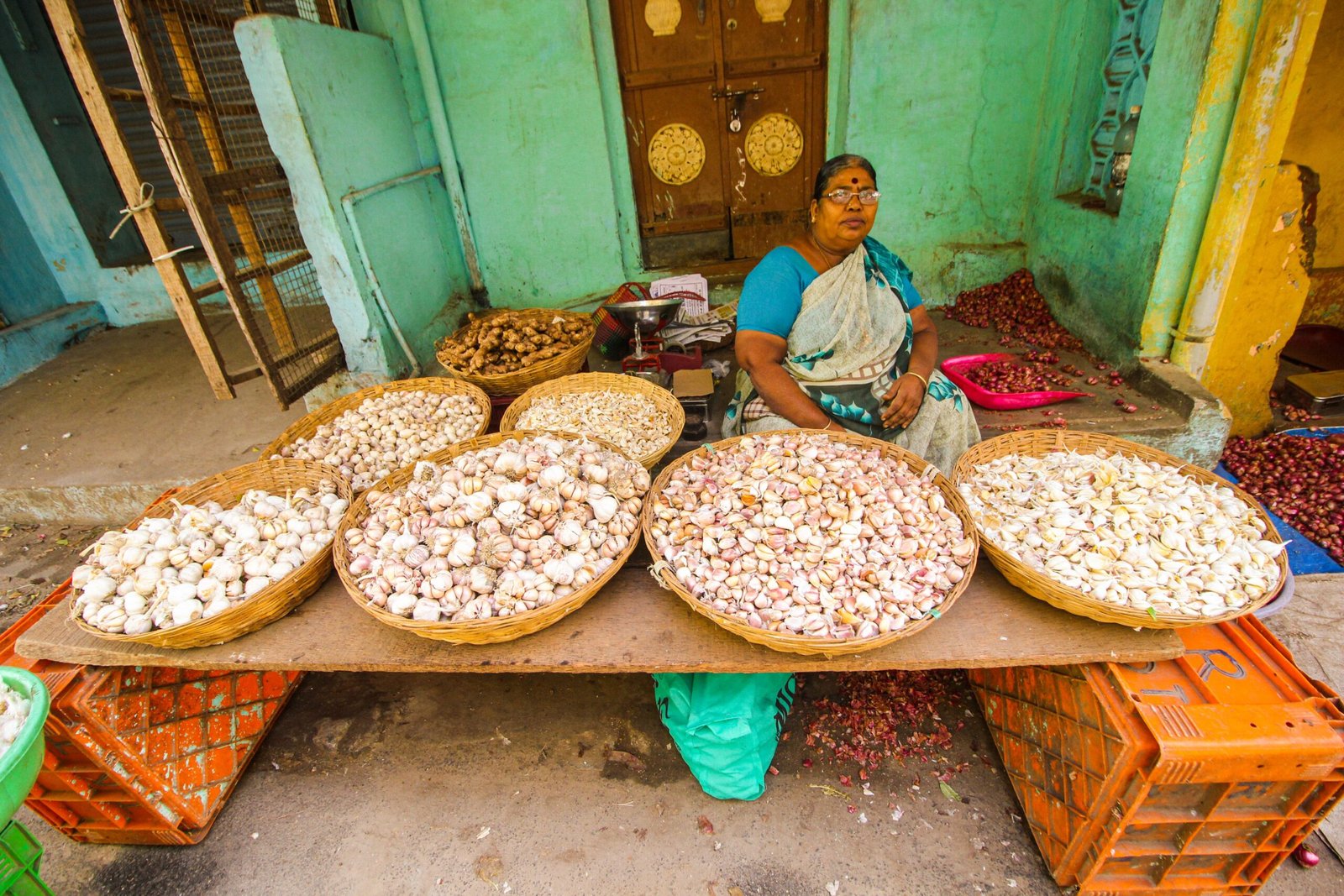
For a traveller, all of it points one way. Your best meal in India will almost never be the plate in a hotel dining room. More likely it is breakfast in someone’s house, or a market run with a local who knows exactly which stall has the good tomatoes, or a thali, a single plate ringed with many small bowls, in a small town where the staff keep topping them up until you beg them to stop.The market stall behind every home-cooked meal, sorted into baskets and sold by the handful.
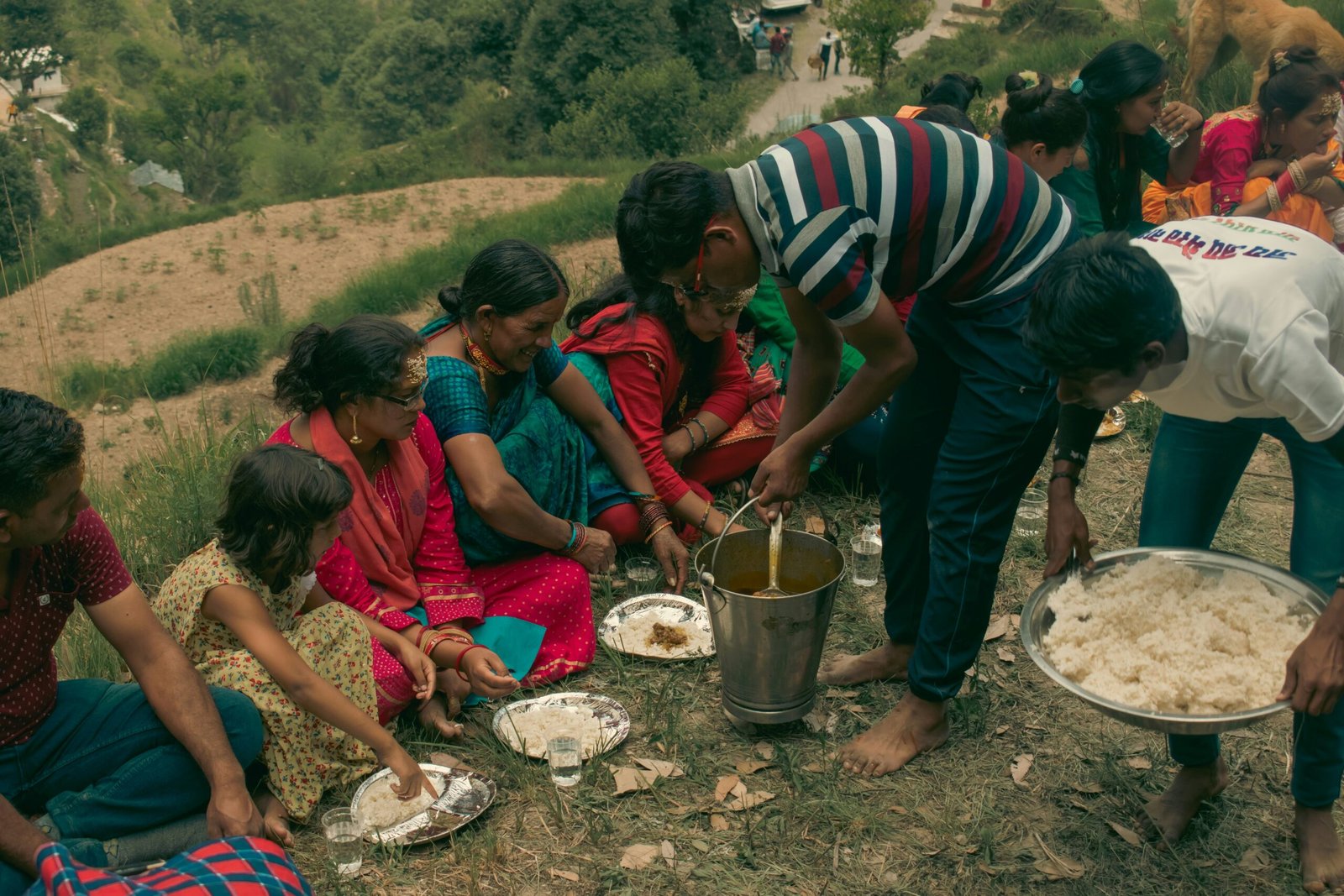
Best of all is a community feast, the kind served cross-legged on the floor off a banana leaf, where a neighbour keeps piling food onto your plate long after you have had enough. Authentic Indian food of that kind does not come off a menu. It arrives from being let in, which is the whole reason to travel properly in the first place.
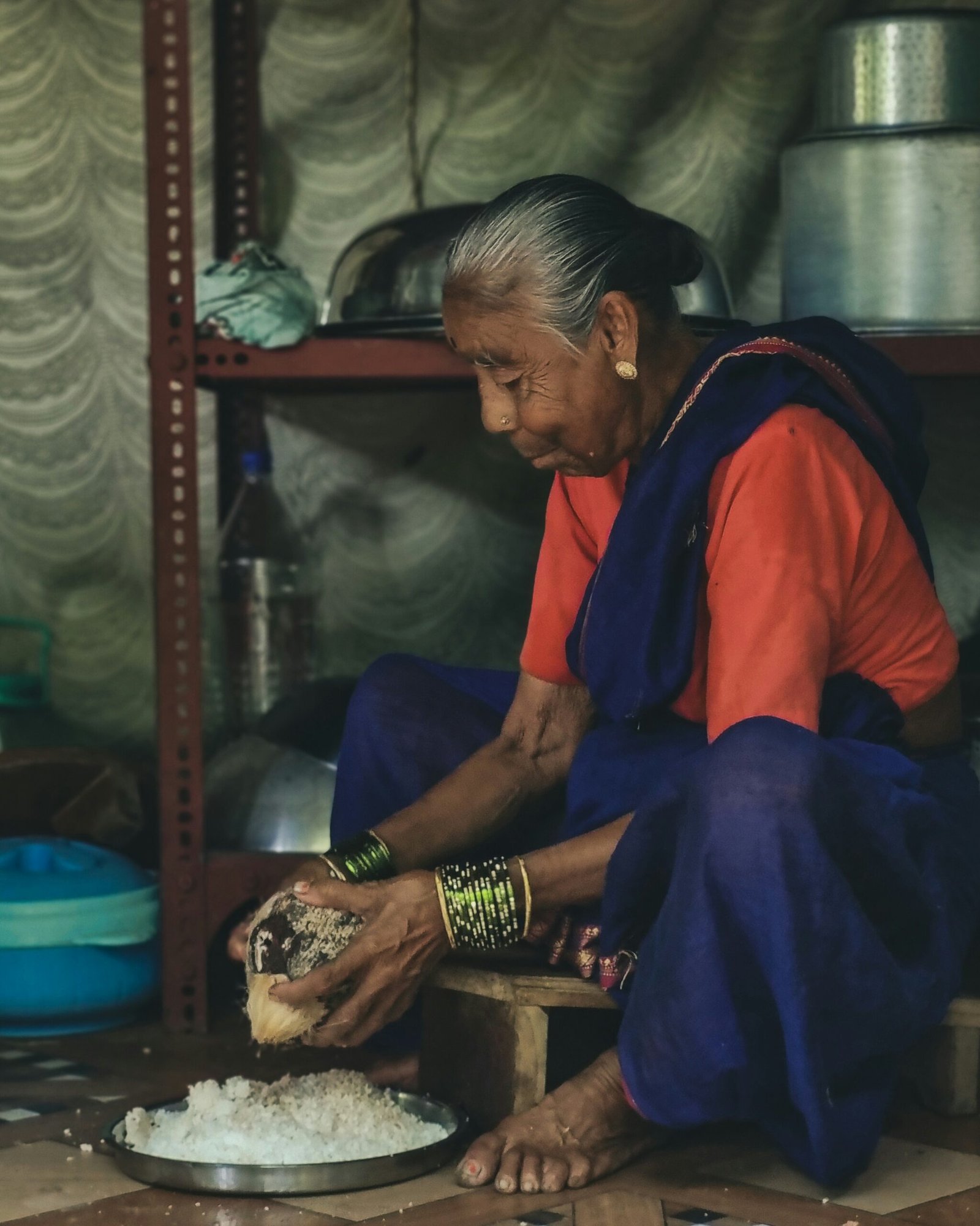
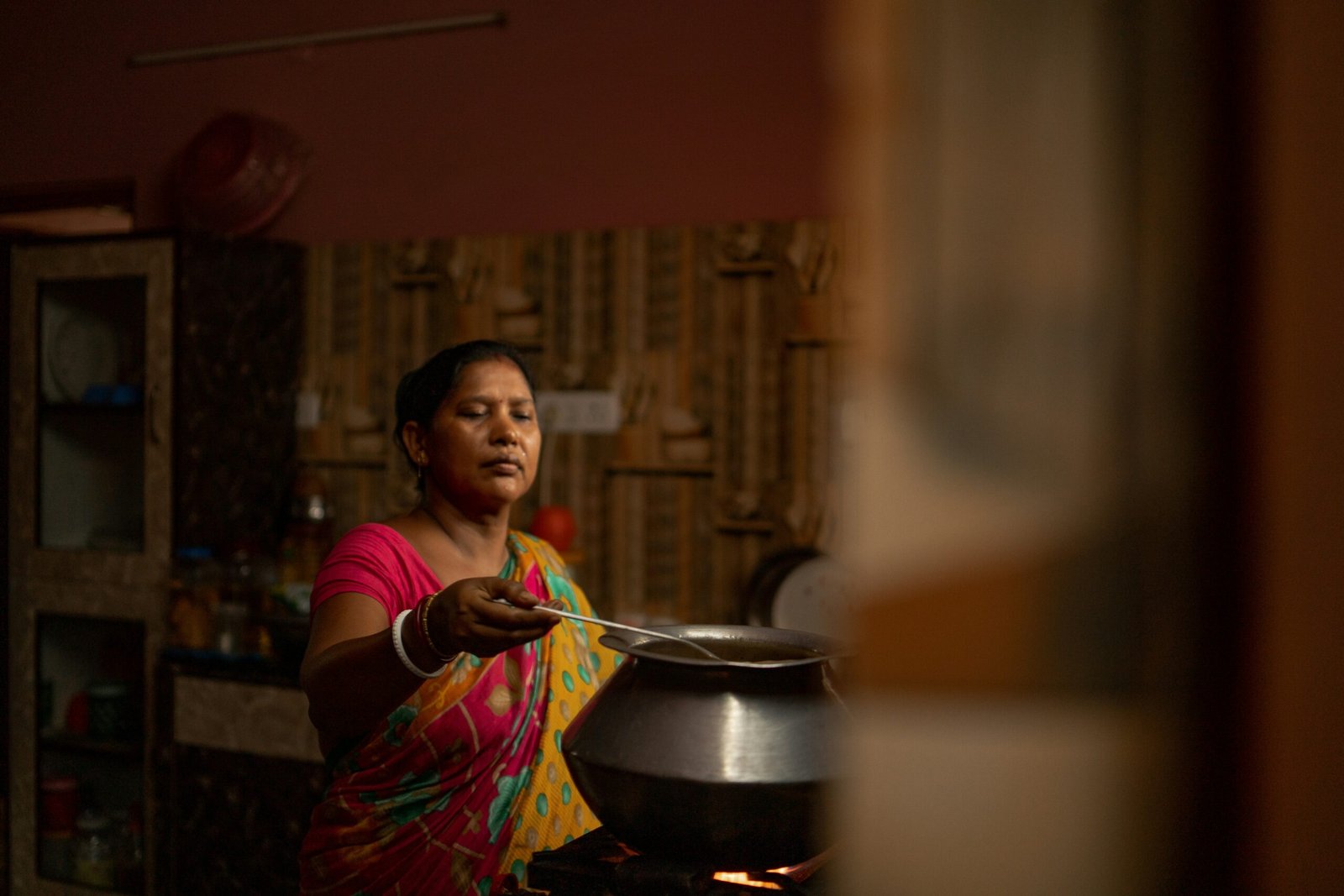
Back at that first stove, the dal is nearly done. She has judged the salt and the butter by feel, the way she always has. Even now she could not write it down for you if she tried. None of it exists on paper. Your own kitchen would not get it right in a hundred goes. A taste like that only exists at her table, in the minute the bowl is set down in front of you.
Set that against any monument on the itinerary, and I know which one I would cross the world for.
This is an excerpt from the travel notes of Madhu Chaudhary, who heads operations at Immerse India Tours. Between the planning and the logistics, she is usually out finding new stories and eating her way across the country, which is how pieces like this one tend to begin.
Enjoyed this story? Subscribe to Immerse India’s monthly newsletter, “The Peep”. Discover expert travel insights, offbeat destinations, community stories, and thoughtfully curated experiences designed to help you explore India deeper and more consciously.
Words & Insights : Madhu Chaudhary
Additional Photography: Immerse India
Copyright belongs to the authors. All rights reserved.