The name is a useful and very interesting place to start. Bishnoi comes from bish, meaning twenty, and noi, meaning nine. The Bishnoi community is, in effect, named after its own rulebook of twenty-nine commandments. Those rules were set out by Guru Jambheshwar, known to his followers as Jambhoji, who founded the sect in 1485 on a sand dune called Samrathal Dhora in the Marwar region. He did so during a severe drought, having watched how cutting and overgrazing the land worsened the hardship, and concluded long before the rest of the world that this was no way to survive a desert.
His teachings amount to 120 hymns in all. He was laid to rest at Mukam in Bikaner district, where a marble temple sometimes called the Taj Mahal of Rajasthan now stands over his samadhi, and pilgrims still walk circles around the old khejri tree beneath which he was buried.
Eight of the twenty-nine principles concern the natural world and they are direct. Do not cut a tree, be merciful to every living creature and protect your water. The remainder covers hygiene, honesty, daily prayer, devotion to Lord Vishnu and a strict commitment to vegetarianism. None of it reads as soft nature worship once you have seen the landscape it came from. In the Thar Desert, a tree is not a decoration. It is, in fact, the difference between soil and sand.
The Bishnoi entered the wider memory of Rajasthan through a single event in 1730. Abhay Singh, the Maharaja of Jodhpur, was raising a new palace and needed lime, which meant firing kilns, which in turn meant wood. His soldiers came for the khejri trees outside a village called Khejarli, the very trees the community was bound by its faith to protect.
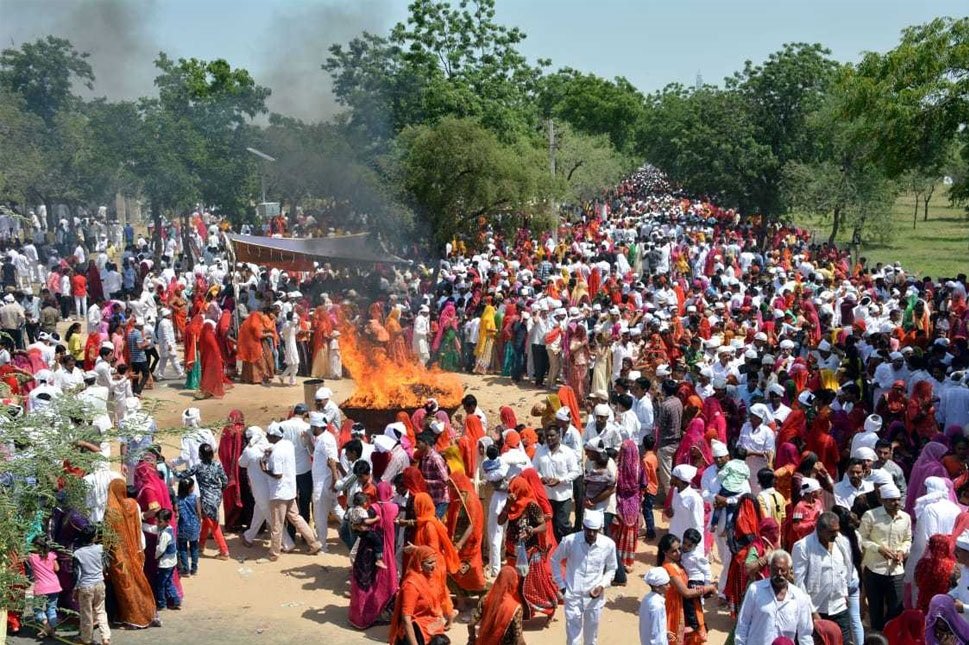
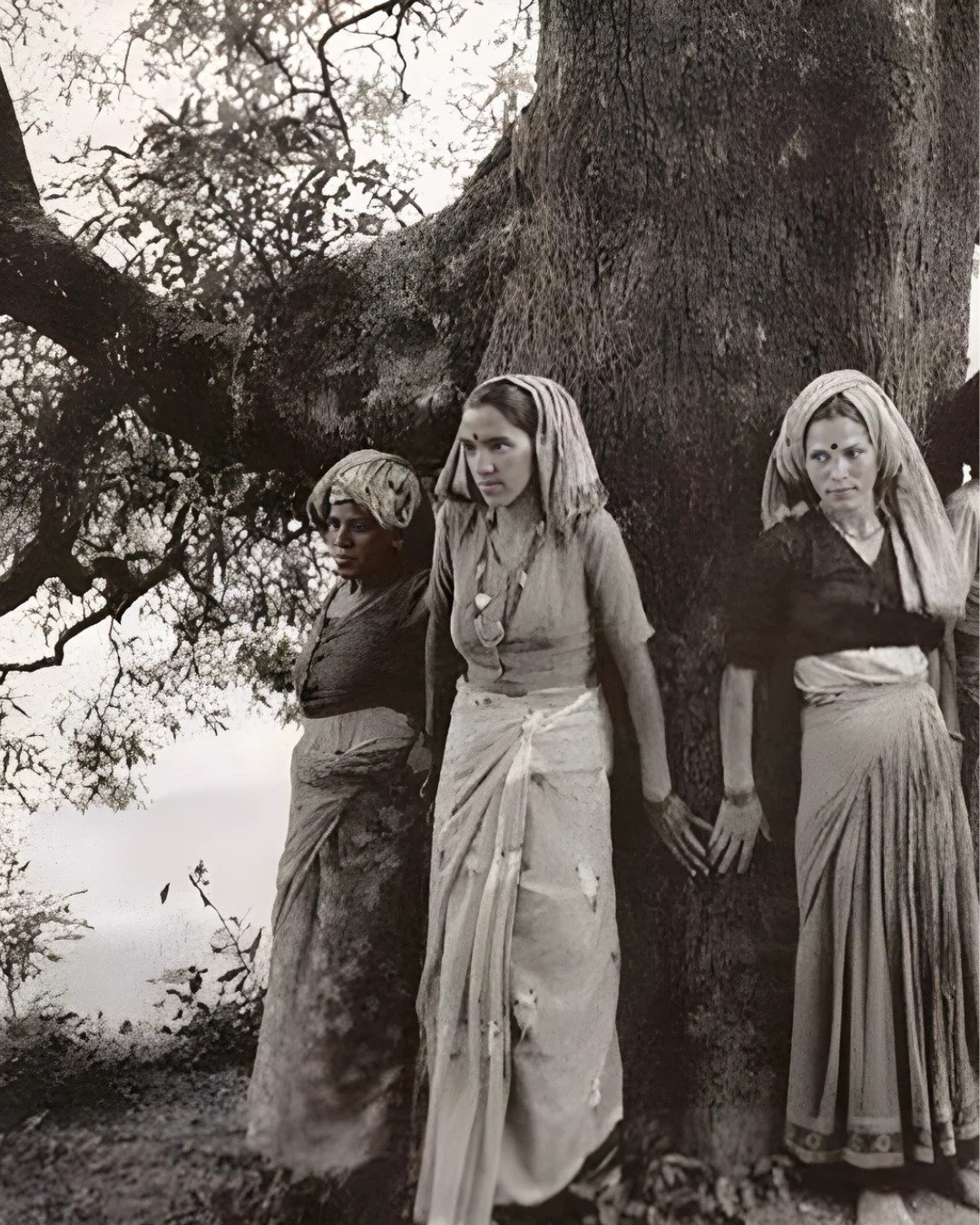
A woman named Amrita Devi stood in their way at the edge of the grove, holding fast to a trunk and reportedly telling the men that a head was a cheaper price than a tree. They cut her down. Her three daughters took her place and were killed in turn, and as word spread, Bishnois walked in from eighty-four surrounding villages to do the same, one after another, until 363 of them lay dead among the trees they had come to save.
The episode, now known as the Khejarli massacre, did not end there. A shaken Abhay Singh later issued a decree protecting Bishnoi trees and animals, one that the community still cites today. Two and a half centuries afterwards, when villagers in the Himalaya embraced trees to halt loggers and gave rise to the Chipko movement, they openly acknowledged the Bishnoi as their precedent. India now observes the eleventh of September as National Forest Martyrs Day in memory of those who died at Khejarli.
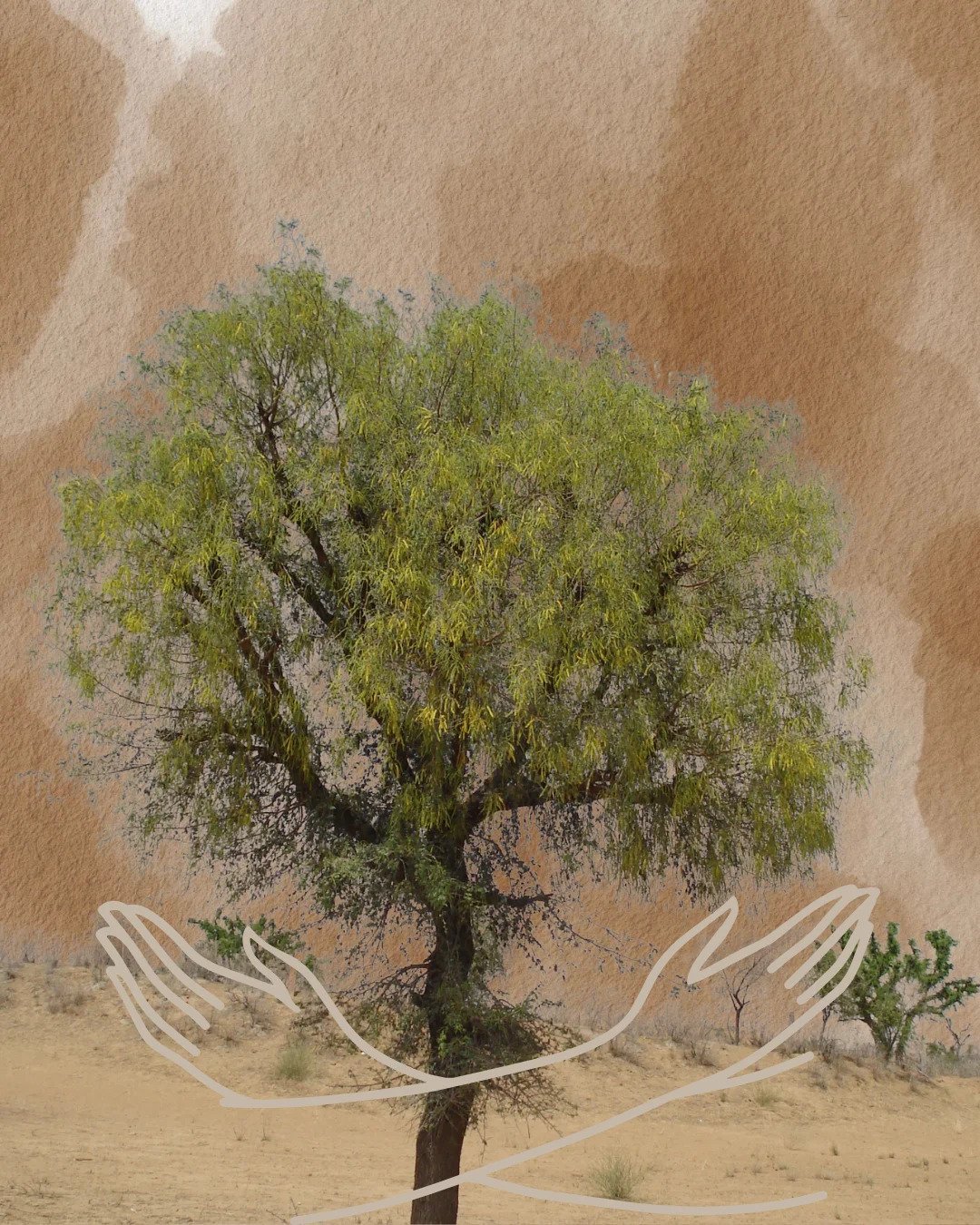
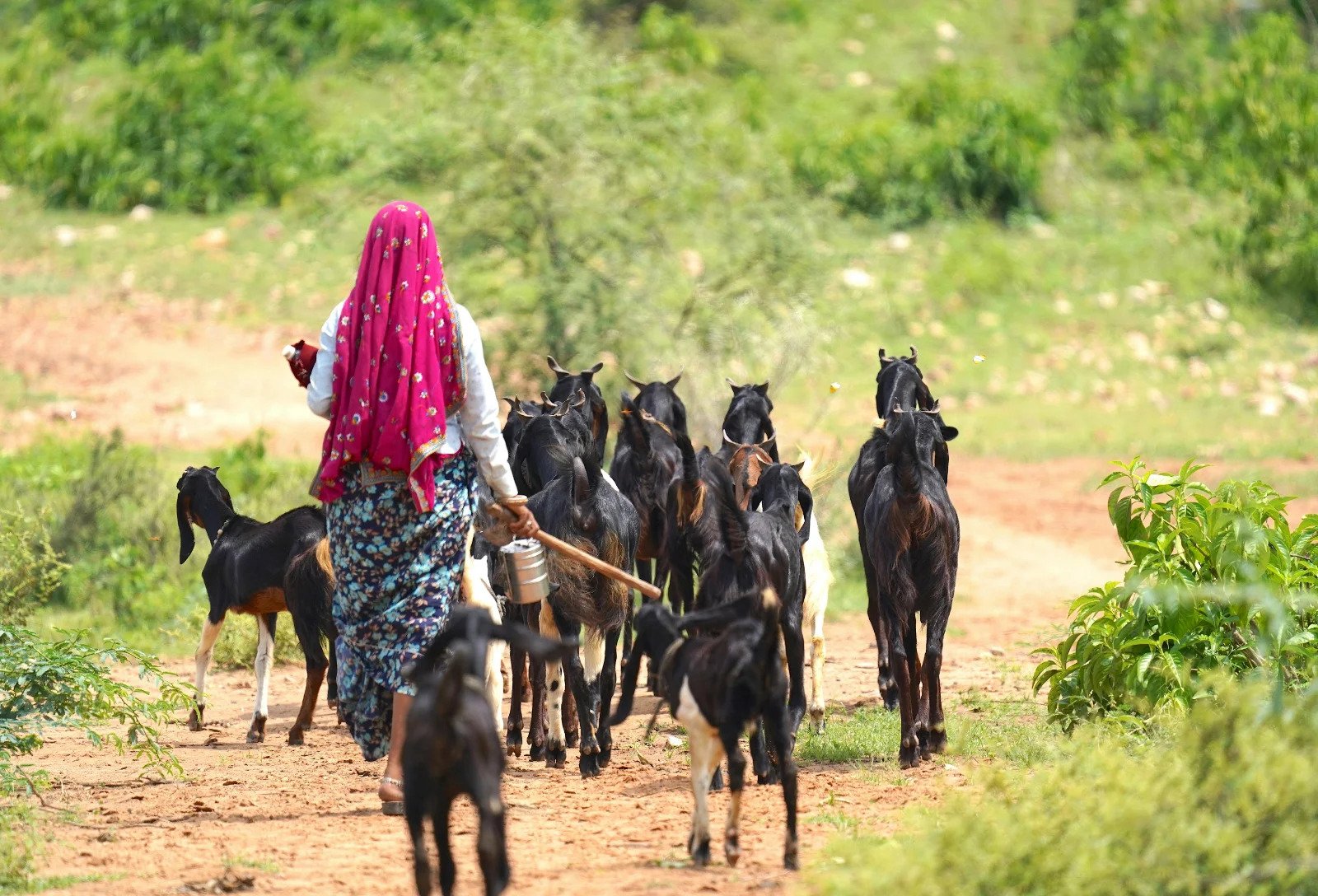
A short time in the Bishnoi land is enough to explain the reverence for the khejri tree. Also known as Jand and honoured as the state tree of Rajasthan, it is remarkably generous for a desert plant. It provides shade where there is almost none, feeds goats and camels, and returns nitrogen to soil that has little to spare. Describing it as the tree of life is less sentiment than accuracy.
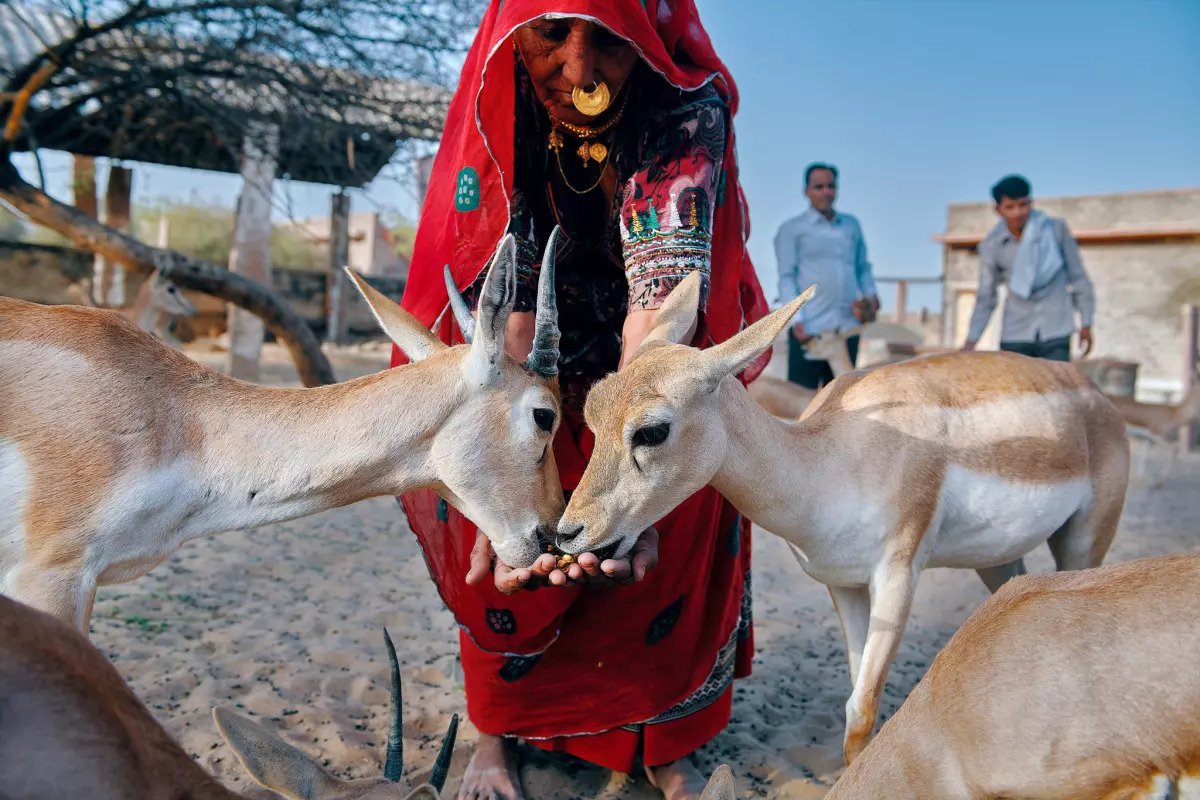
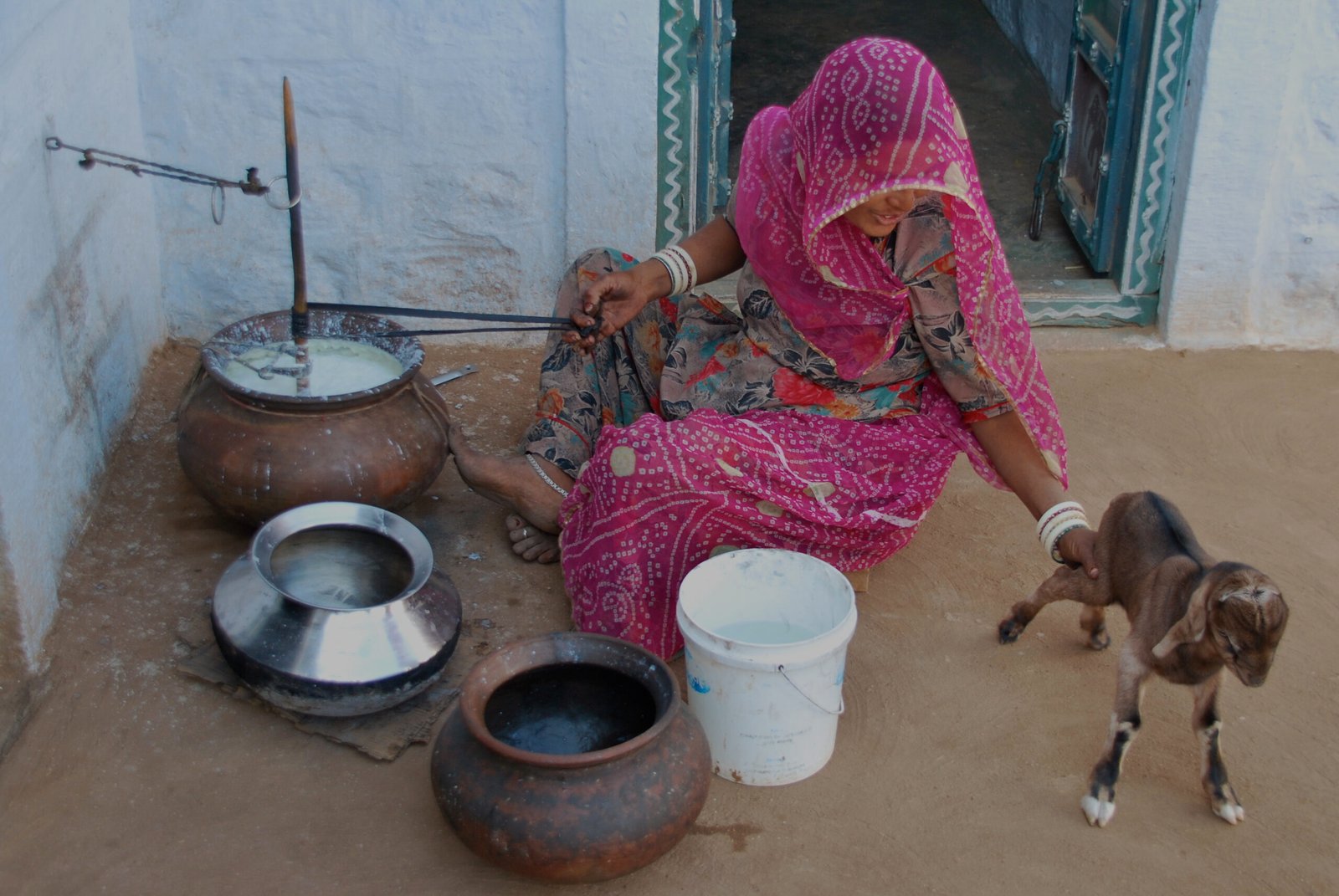
The wildlife is protected on the same terms. Blackbuck and the slender chinkara gazelle move across Bishnoi community land notably calm because hunting is not countenanced here, and poachers are quickly caught. There are credible accounts of Bishnoi women hand-rearing orphaned fawns alongside their own children, though this is rarer than the more romantic travel writing tends to imply. Several villages also run their own animal rescue centres which are funded by residents rather than by visitors.
The same principle governs how they treat their dead. Bishnois bury rather than cremate, because a cremation would require the cutting of wood. The conviction holds to the very end.
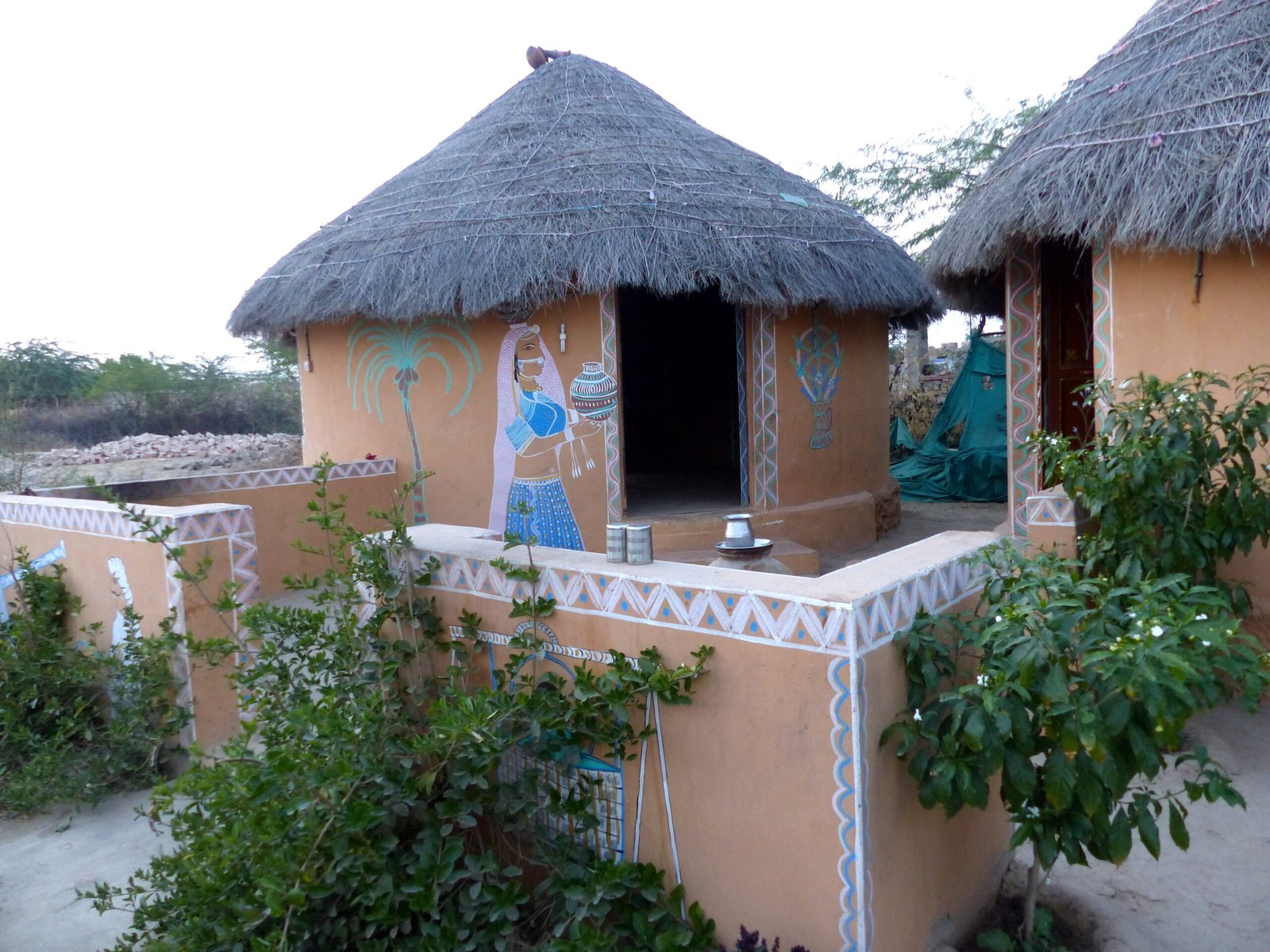
A number of villages near Jodhpur now welcome visitors, usually by way of a jeep excursion across the open desert marketed as a Bishnoi village safari. Arranged thoughtfully, it is among the more genuine cultural encounters one can experience in their Rajasthan itinerary. Arranged poorly, it becomes an intrusion, a group of strangers photographing a family at lunch, which serves no one well.
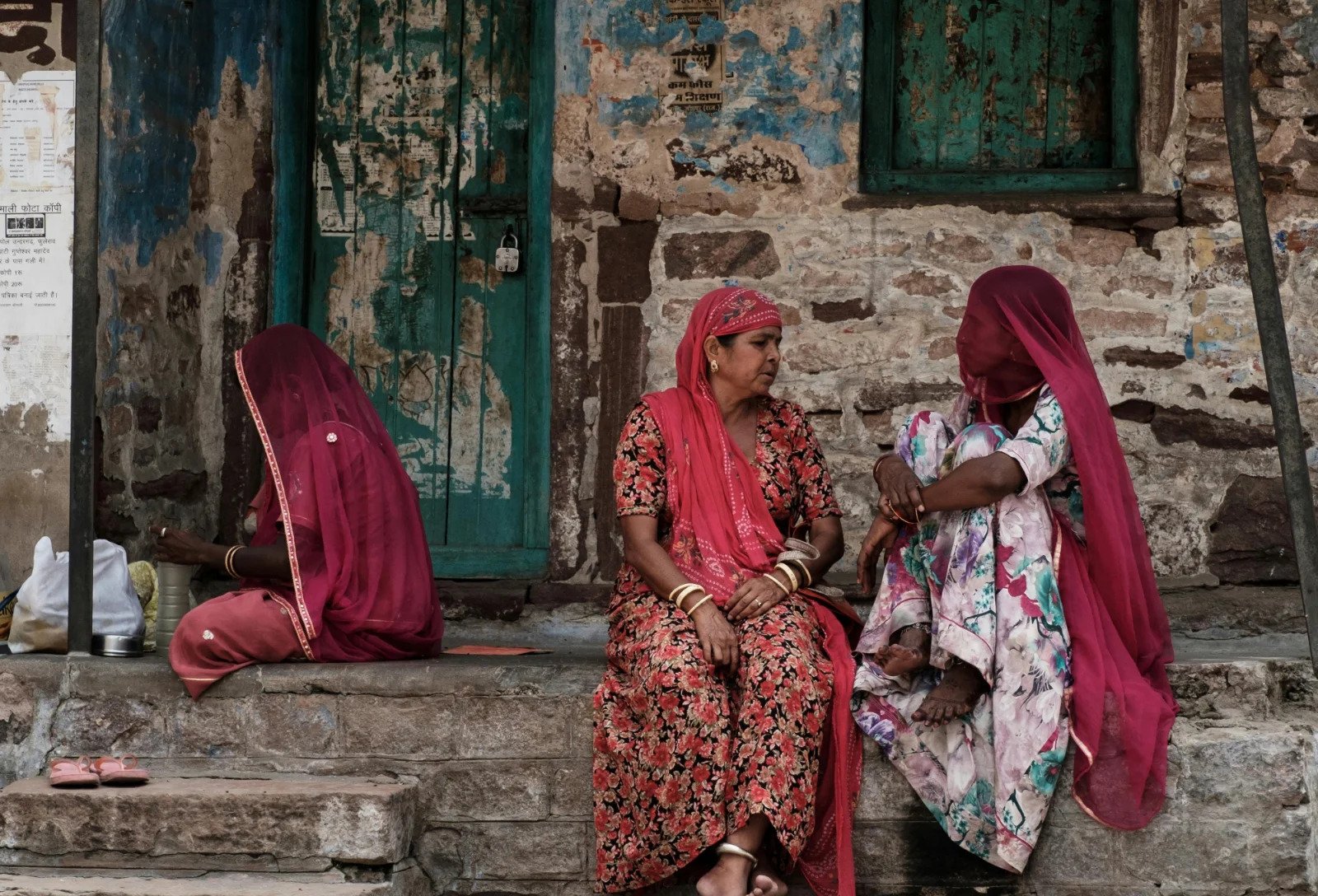
The difference lies almost entirely in the arrangement. A local guide, ideally a Bishnoi themselves, can bring you in as a guest rather than a spectator. Smaller groups are far preferable to larger ones. Buying directly from the craftspeople, accepting the tea that is poured and asking before raising a camera are modest courtesies; it matters more here than in most places. The people across the courtyard are living by a code (not performing) that predates the very idea of sustainable tourism by some five hundred years.
Most itineraries also take in a neighbouring hamlet or two for block printing or durrie weaving, crafts that the same families have practised for generations. As everything lies within roughly an hour of Jodhpur, the whole outing fits comfortably into a half-day. The months from October to March are the time to go, when the heat relents and the seasonal lakes draw migratory birds.
What stays with me still after that morning was not a neat lesson, though the subject seems to invite one. It was something much simpler. A community of desert farmers understood, in the 15th century, that their own survival and the survival of the land were a single question, and they built an entire way of life around answering it rightly. They have held to that for five hundred years, which is a longer record than almost any modern environmental institution can claim.
That is the side of Rajasthan travel I passionately recommend most. The forts and palaces are magnificent and earn every visitor they receive. But an easygoing morning with the Bishnoi community gives something rarer, the example of people who regard the natural world as a neighbour to live alongside rather than a resource to be spent. The unbothered blackbuck a few metres away is the clearest evidence of it.
Enjoyed this story? Subscribe to Immerse India’s monthly newsletter, “The Peep”. Discover expert travel insights, offbeat destinations, community stories, and thoughtfully curated experiences designed to help you explore India deeper and more consciously.
Additional Photography: Immerse India
Copyright belongs to the authors. All rights reserved.