
Some journeys take time to become ready. They need to be revisited, refined, and listened to with care. And perhaps, through this process, we discover a solution we hadn’t considered possible.
This month, we share the thinking behind HyperLocal — an approach shaped through slower steps, deeper listening, and a conviction that transformative travel begins with connections, not routes.
Say yes to new things and imagine India through HyperLocalism!
So, how would you travel to India in the future? Will air miles come with a “carbon budget cap” making us rethink every flight? Or paying for journeys with Bitcoin?
It’s hard to say with certainty, but one thing is clear: cookie-cutter experiences and mundane sightseeing would lose demand and are unlikely to hold relevance in the future.
HyperLocal by Immerse takes you to the spaces between places, often missed in fast-paced itineraries.
If that sounds too sedate, how about stepping behind the obvious? Enter Hawa Mahal in Jaipur through its rear access. Most visitors pause for the façade, but few realise that these 953 windows once allowed royal women to observe street life at ease.
Or you might walk past Mumbai’s Hamilton Studios without discovering one of the city’s oldest working photography studios, where analogue portraits of Queen Elizabeth II, Richard Attenborough, and Mick Jagger stand alongside those of Mahatma Gandhi.
An Invitation for You:
Looking for a journey enriched with HyperLocal experiences that truly move you? Write to us at sales@immerseindiatours.com
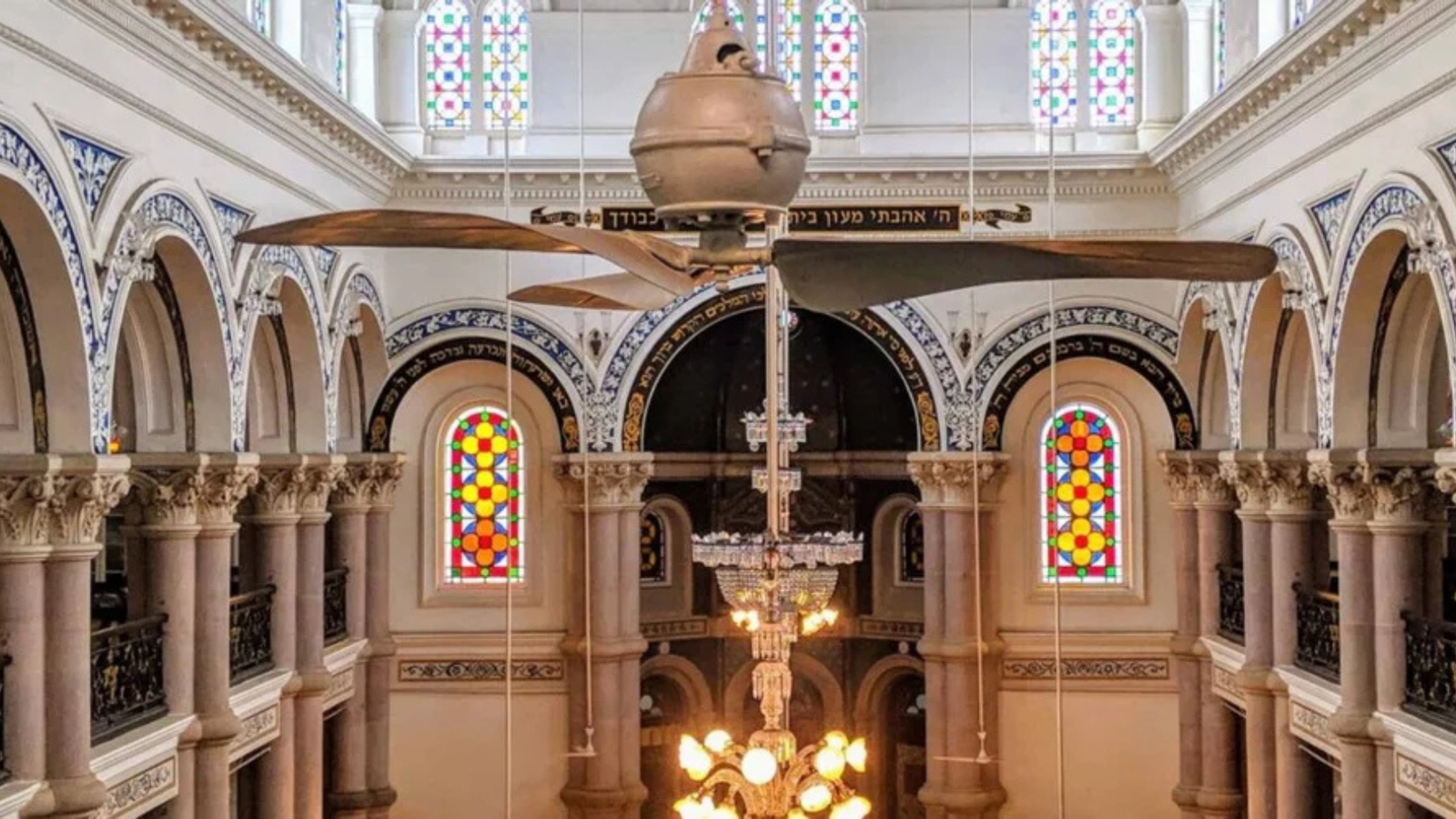
The Magen David Synagogue’s entrance is tucked behind small shops selling hair accessories, making it a “hidden gem”.
Discover the spirit of white Kolkata through an urban exploration that reveals its colonial legacy, blending with pluralistic rhythms, modern living traditions and intellectual pulse.
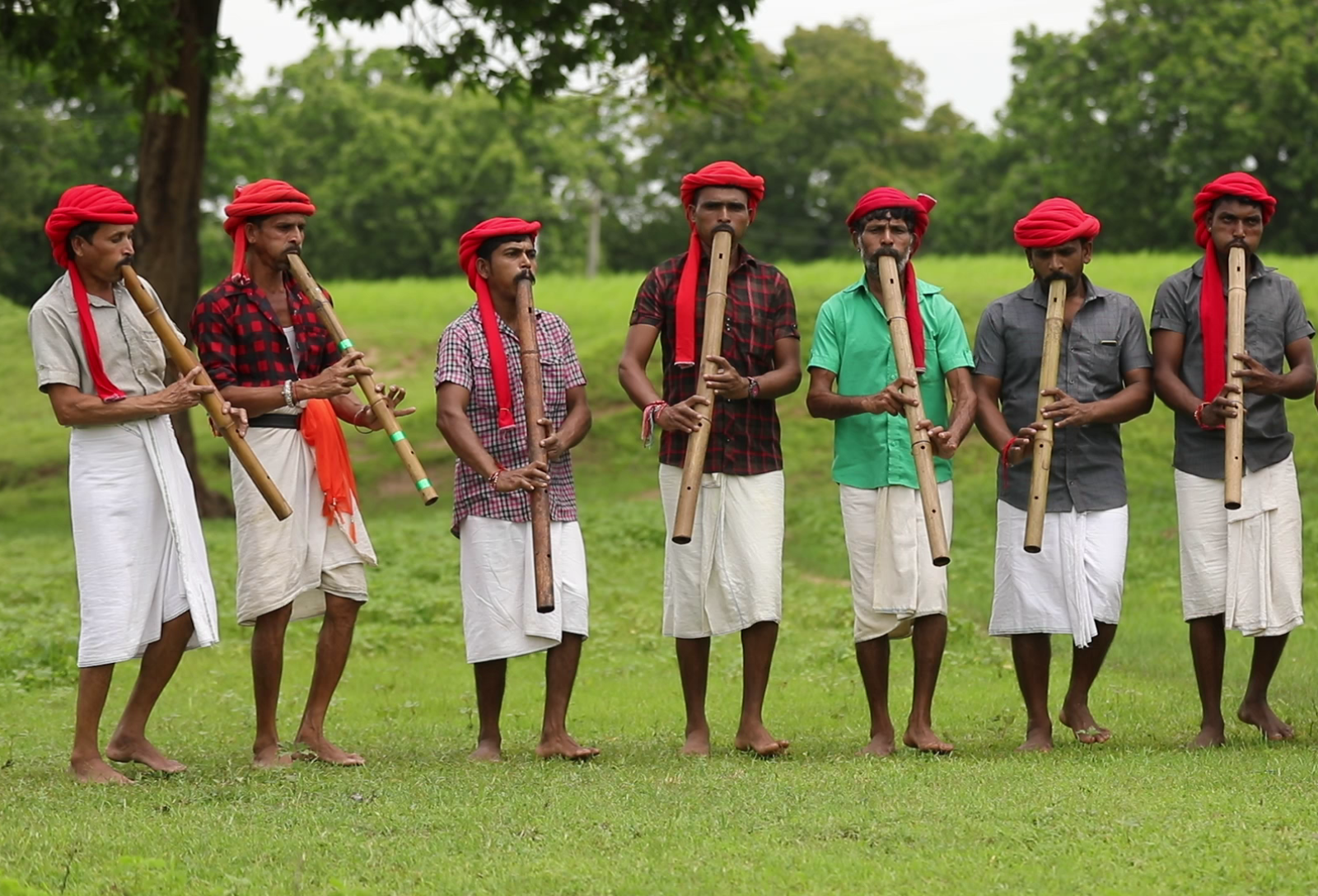
This journey through Gujarat’s tribal areas invites you into landscapes where forests, festivals and living traditions shape everyday life. Through encounters with indigenous communities, sacred geographies and cultural practices, each experience becomes a lens into the deep relationship between people, place and heritage.
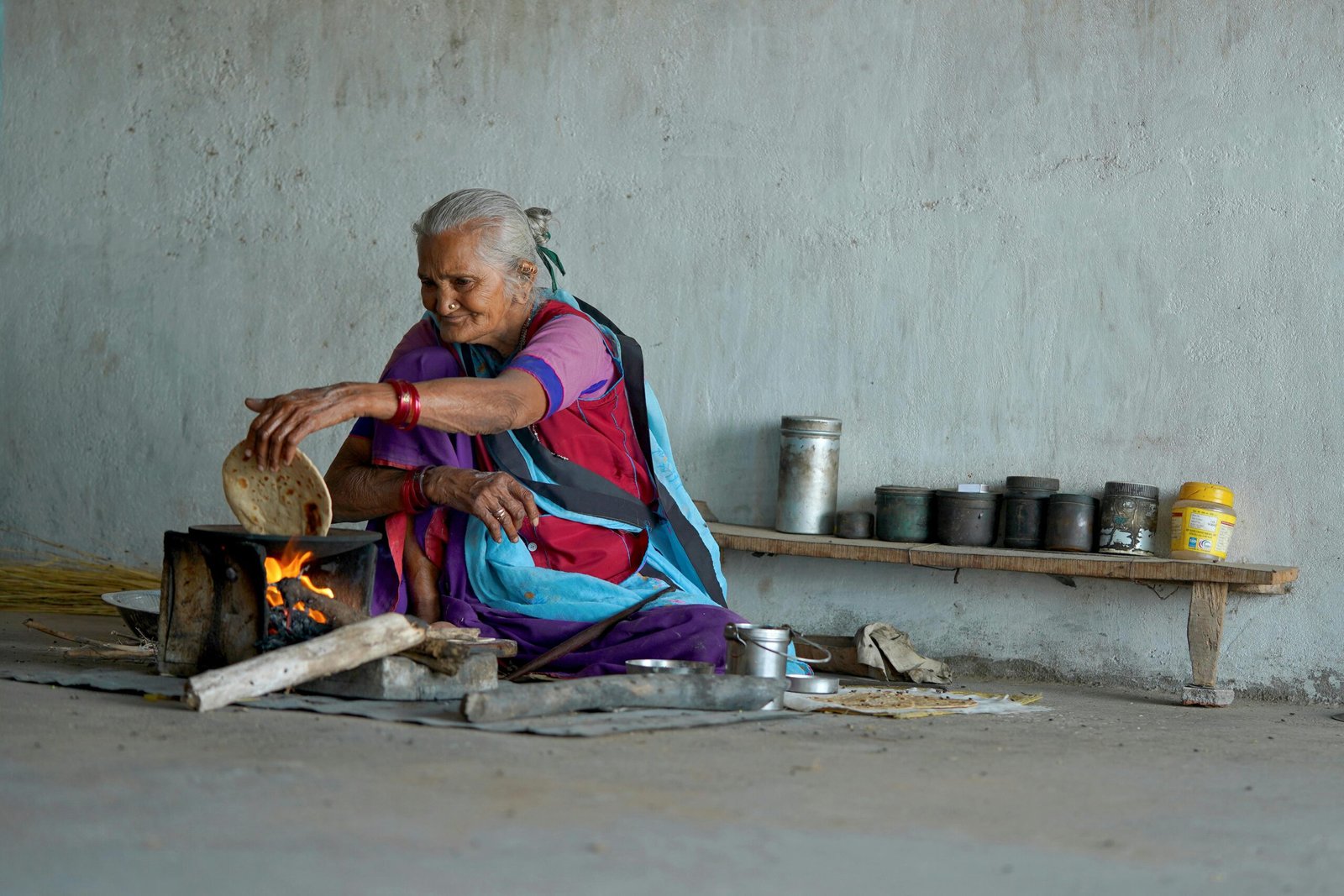
Long before the term “vegan” became global, the society in India was already close to vegan in many ways, with communities that naturally practised plant-based living. The Jain community, for instance, avoids not only meat but also root vegetables like onions and garlic. Their influence is strong in Rajasthan, especially in cities like Jaipur and Udaipur, where you’ll find Jain thalis that are inherently vegan or easily adaptable.
In India, food often becomes the talking point among locals, opening up deeper ways to experience and understand a region’s culture…
This is an excerpt from the personal journal of Nidhi Gopal to Vegan Rajasthan, graciously shared for our Immersive Experiences Series.
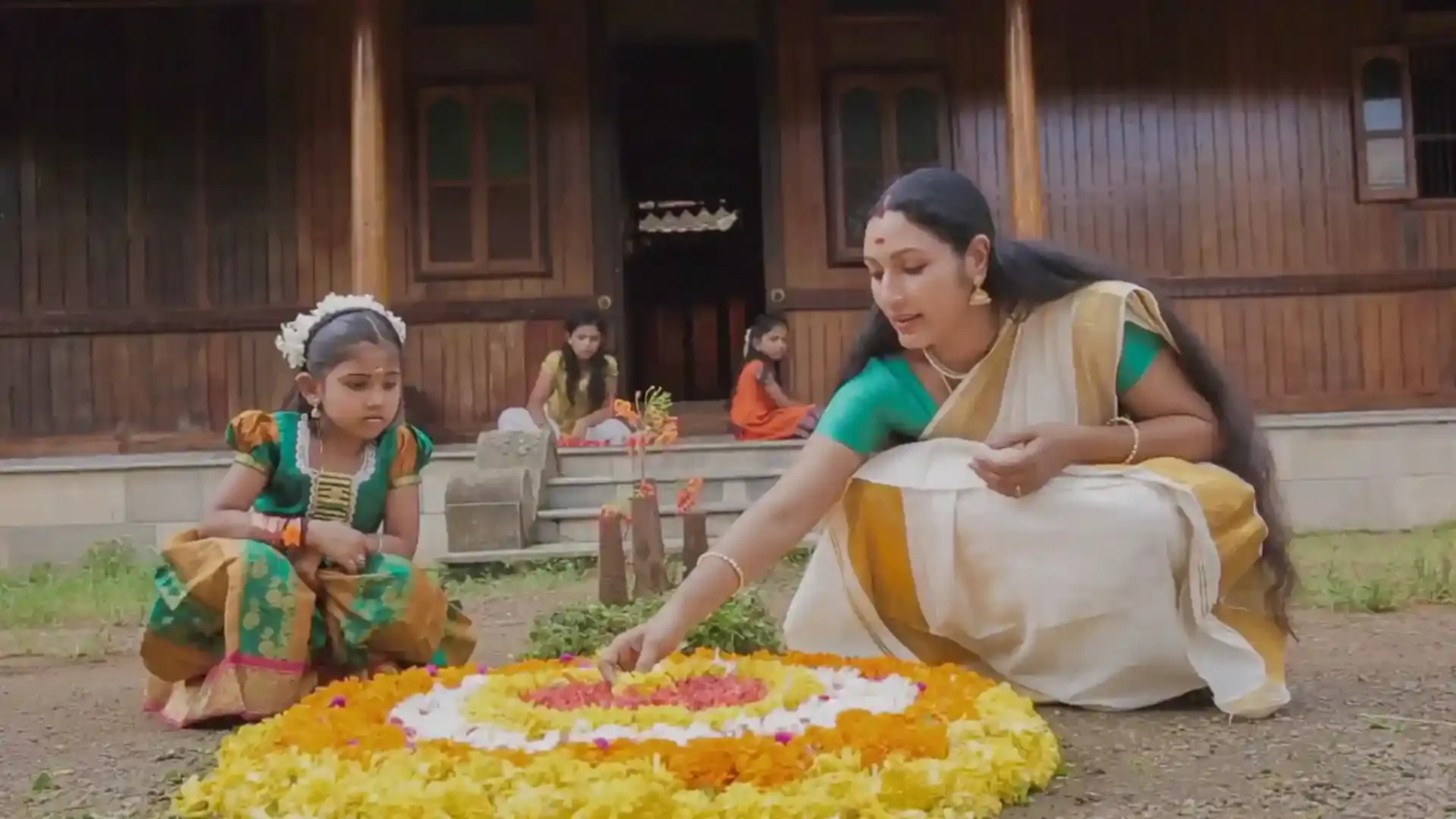
Immerse India exists with a mission to push the envelope of the inbound travel industry towards meaningful travel. We realised early on that innovating the customer travel experience alone wasn’t enough, and that we had to evolve and reimagine the very purpose of travel itself.
Today, every experience we design includes “co-creation with local communities” as a core element of its sustainability framework. This defines social impact not as an outcome of travel, but as an integral part of how these journeys are shaped.
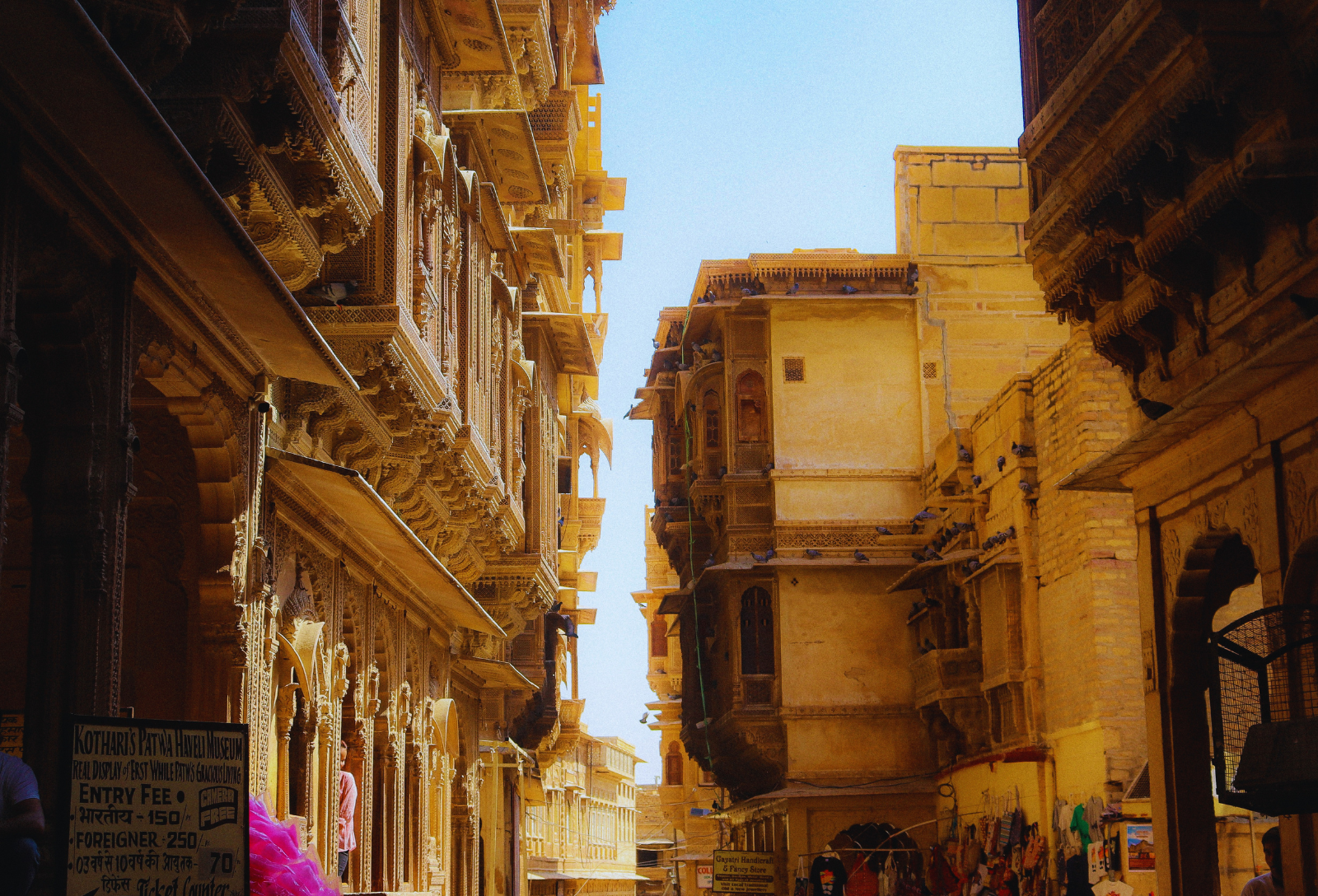
In the desert of Rajasthan, comfort wasn’t invented with machines. It was carved in stone.
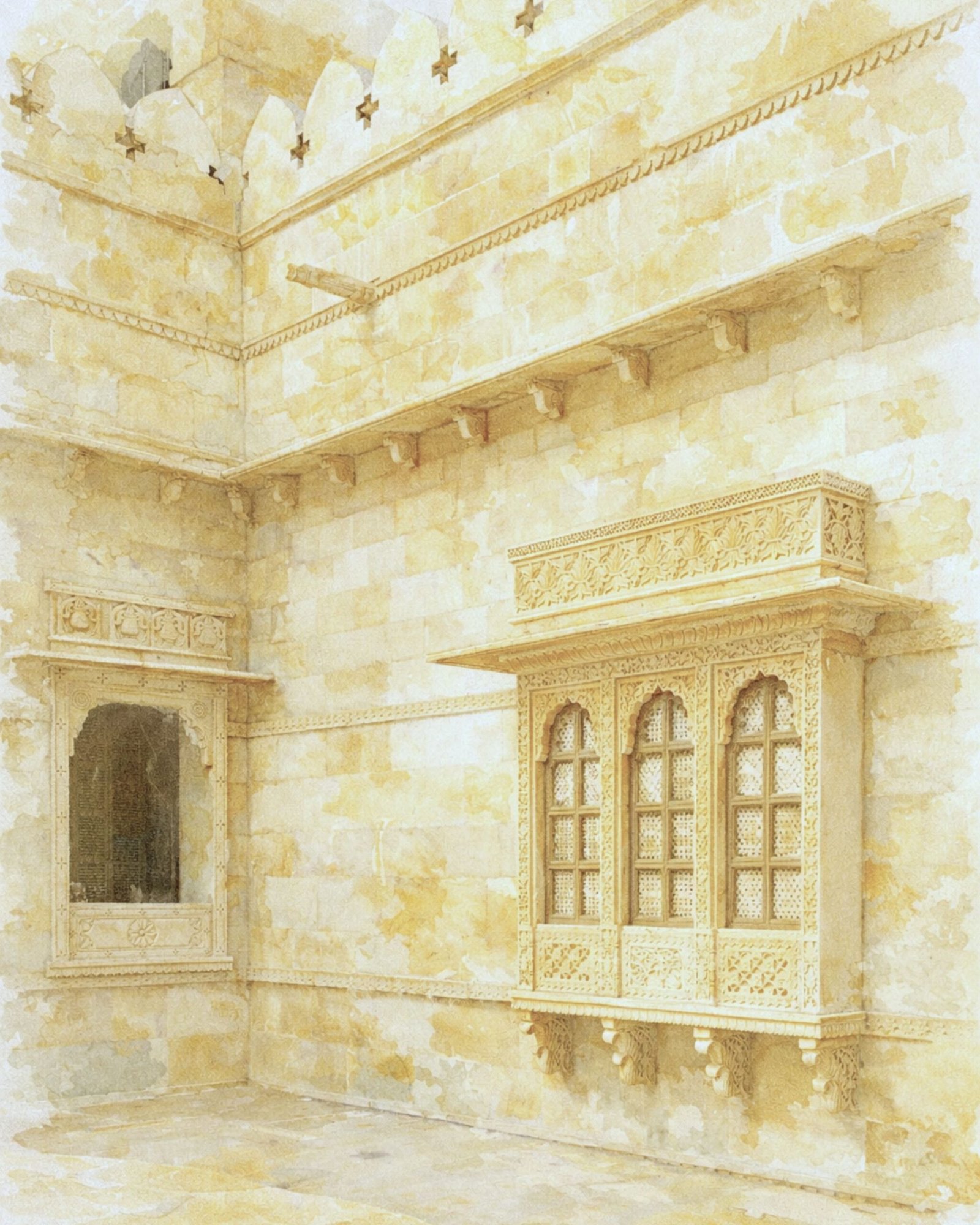
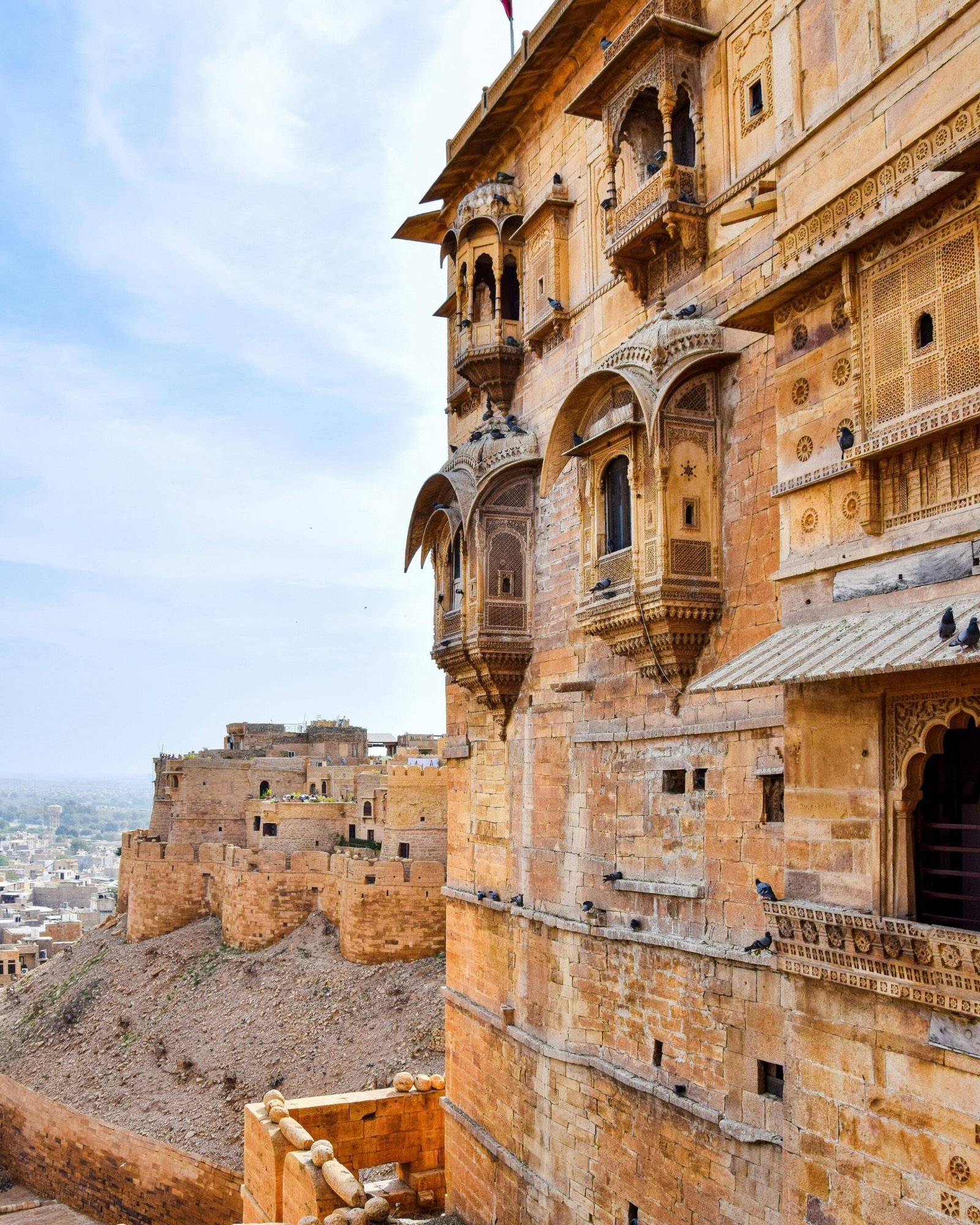
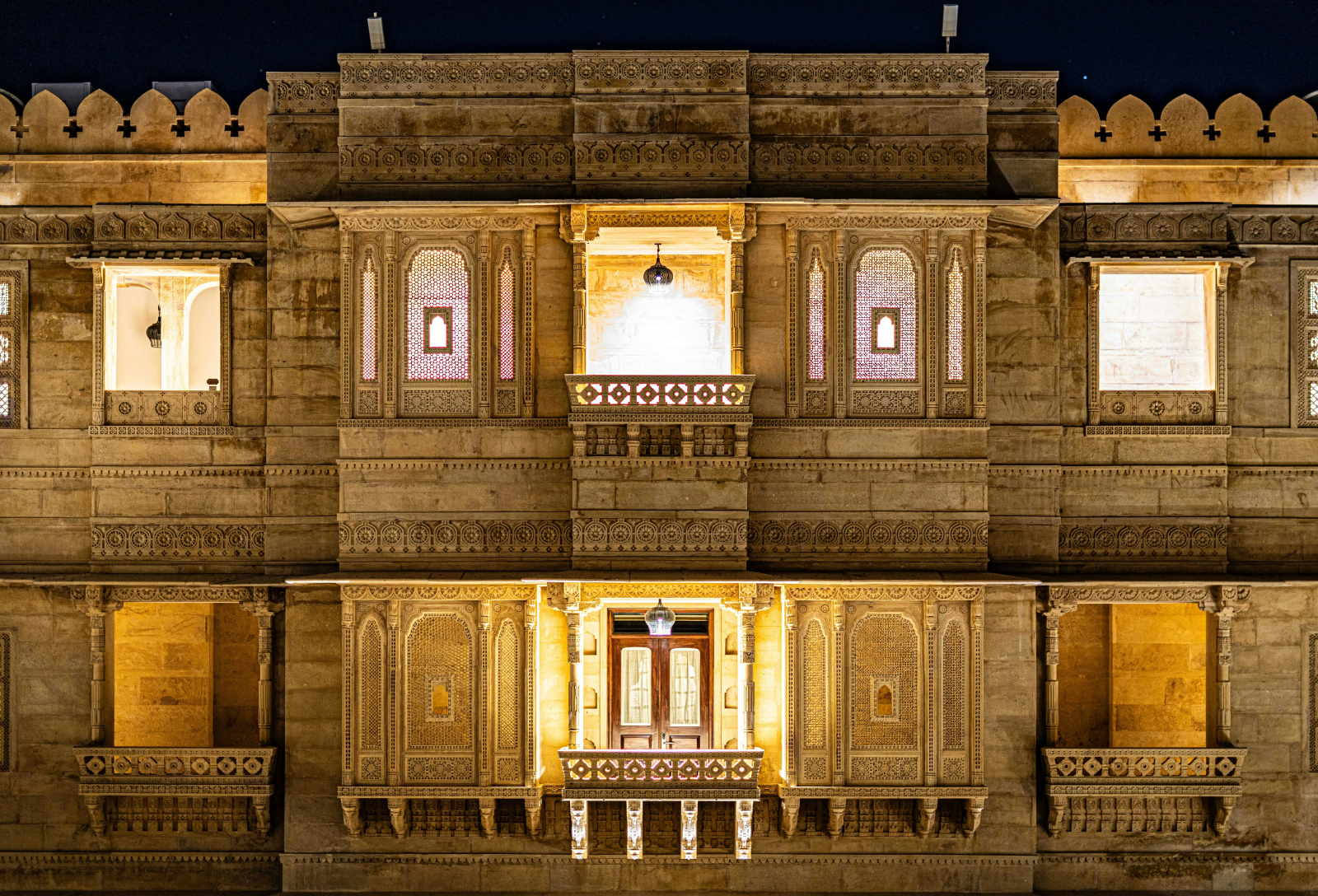
When temperatures in Jaisalmer soar beyond 50°C, every haveli carries a quiet innovation: the jaali. More than an ornament and beauty, it is a system.
Intricately carved sandstone screens filter harsh desert light, break the heat, and invite a constant flow of cool air. The result? Interiors that breathe even when the “Thar Desert” burns outside.
Please write to us at sales@immerseindiatours.com to access the above content or learn more about a personalised trip to the Indian Subcontinent.