Words & Photography: Anima Biswal // Additional Photography: Immerse India
Odisha has long intrigued me, not as my birthplace, but as a land I’m rediscovering to share its rare and authentic experiences on an Odisha Tribal Tour with European travellers. Our group sought a deep dive into local culture, a chance to witness the daily lives of Odisha’s indigenous communities, and to see the state through our eyes. The pressure is both exhilarating and humbling, making every moment of this journey unforgettable.
Our adventure began in Bhubaneswar, a city where ancient heritage seamlessly meets contemporary energy. As the capital of Odisha, Bhubaneswar boasts a long and fascinating history, reflected in its brilliant temple architecture, intricate art, and vibrant crafts. Named after “the Lord of the Earth,” Bhubaneswar offers travellers a unique mix of devotion, culture, and urban life. If you ever find yourself in this captivating city, here are some experiences not to be missed in your sightseeing tour of Bhubaneswar:
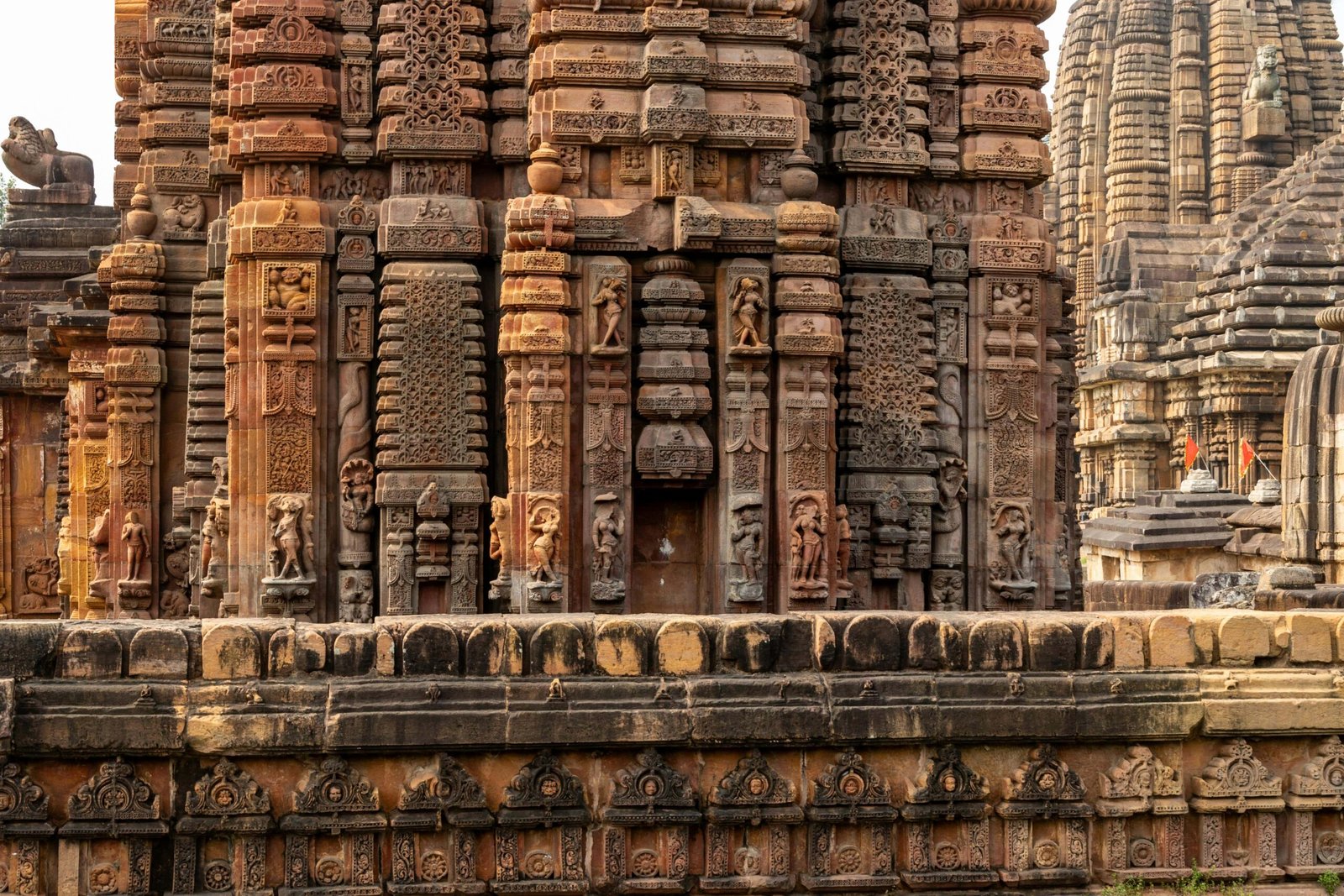
Walking the streets of Bhubaneswar with my fellow travellers, we further marvelled at iconic temples such as Lingaraja, Mukteswara, and Rajarani, each showcasing intricate carvings, sculptural brilliance, and timeless architectural elegance. The awe on their faces as they traced the fine details of stonework, the ornate doorways, and delicate motifs was unforgettable: a shared moment of wonder that perfectly captured the city’s spiritual and artistic heritage.
The next morning, after a long rest, we drove to the outskirts of Bhubaneshwar to see ancient cave dwellings. The ancient Jain rock-cut caves at Udayagiri and Khandagiri, carved more than 2,000 years ago, provide a fascinating glimpse into Odisha’s spiritual past. Historian D. R. Bhandarkar nicely expressed, “These caves are silent witnesses to the ascetic life and the devotion of early India.”
Odisha is home to a large and diverse tribal population, with more than 60 distinct tribes, including the Bondas, Santhals, and many others, each with its own dialects, customs, and traditions. To gain a deeper understanding of this rich heritage, we made a stop at the Odisha Tribal Museum in Bhubaneswar. The museum offers an immersive experience, with carefully recreated tribal huts, traditional weapons, costumes, terracotta artefacts, jewellery, and ceremonial insignia, providing a comprehensive glimpse into tribal life.
For all of us, the museum was a highlight of the city visit. Seeing the creativity, craftsmanship, and cultural depth of Odisha’s tribes firsthand was both eye-opening and humbling. Our guests from Europe were especially fascinated by the diversity and authenticity of these communities, whose lives and traditions are so far removed from modern urban experiences, yet remain vibrantly alive.
From Bhubaneswar, we travelled to Puri and Konark, destinations where art, devotion, and heritage converge in perfect harmony. The Sun Temple at Konark, a UNESCO World Heritage Site, left all of us utterly speechless. Every inch of its monumental chariot-like structure is adorned with intricate stone carvings, each telling stories of mythology, daily life, and cosmic symbolism. As historian Stella Kramrisch eloquently put it, “Konark is not merely stone; it is a poetic vision in sculpture, a monumental hymn to the Sun.” Walking around the temple, it was impossible not to marvel at the generosity of the artistry, including the sensuous elegance of many of the sculptures. We were deeply absorbed in the experience now, with a testament to the temple’s celebration of life, fertility, and human creativity.
In Puri, the spiritual aura of the temple town blended seamlessly with its serene coastal charm. Situated on the Bay of Bengal, Puri forms one point of the Golden Triangle of Eastern India, along with Bhubaneswar and Konark. The Jagannath Temple, one of India’s most revered pilgrimage sites, draws thousands of devotees every year, famous for its annual Rath Yatra festival that showcases Odisha’s vibrant culture. Away from the crowds and beach parties, its pristine shores provide a tranquil escape from city life, making it ideal for reflection and leisurely exploration.
Konark’s Sun Temple stands in quiet grandeur, its stones glowing with the eternal power of the rising sun
Next, our journey brought us to stay at Dhenkanal Palace, the historic heart of a once-thriving princely state. Stepping into Dhenkanal Palace felt like walking through a living history book. The story goes back to 1529, when three brothers from a small kingdom in Rajputana travelled across India to Odisha. At that time, the state was ruled by a single king, who quickly noticed their skills. One brother became the Prime Minister, another the Finance Minister, and the third led the army. It was the third brother’s excellent service that earned him a piece of land in Karamul Patna, now called Dhenkanal, where the royal palace was eventually built.
The real adventure of our Odisha tribal tour began deep in the state’s interior. From Phulbani, the “City of Flowers,” we ventured into remote villages to meet the Kutia Kondh, renowned for their distinctive tattoos. The women’s geometric and floral designs—symbols of clan identity—left my European companions amazed and respectful of their living traditions. Life here is simple yet resilient, full of authenticity. The Kutia Kondh practice shifting cultivation and hold a profound spiritual bond with the forests they consider sacred. As Mahatma Gandhi said, “The world has enough for everyone’s need, but not enough for everyone’s greed”—a principle vividly reflected in their sustainable, mindful way of life.
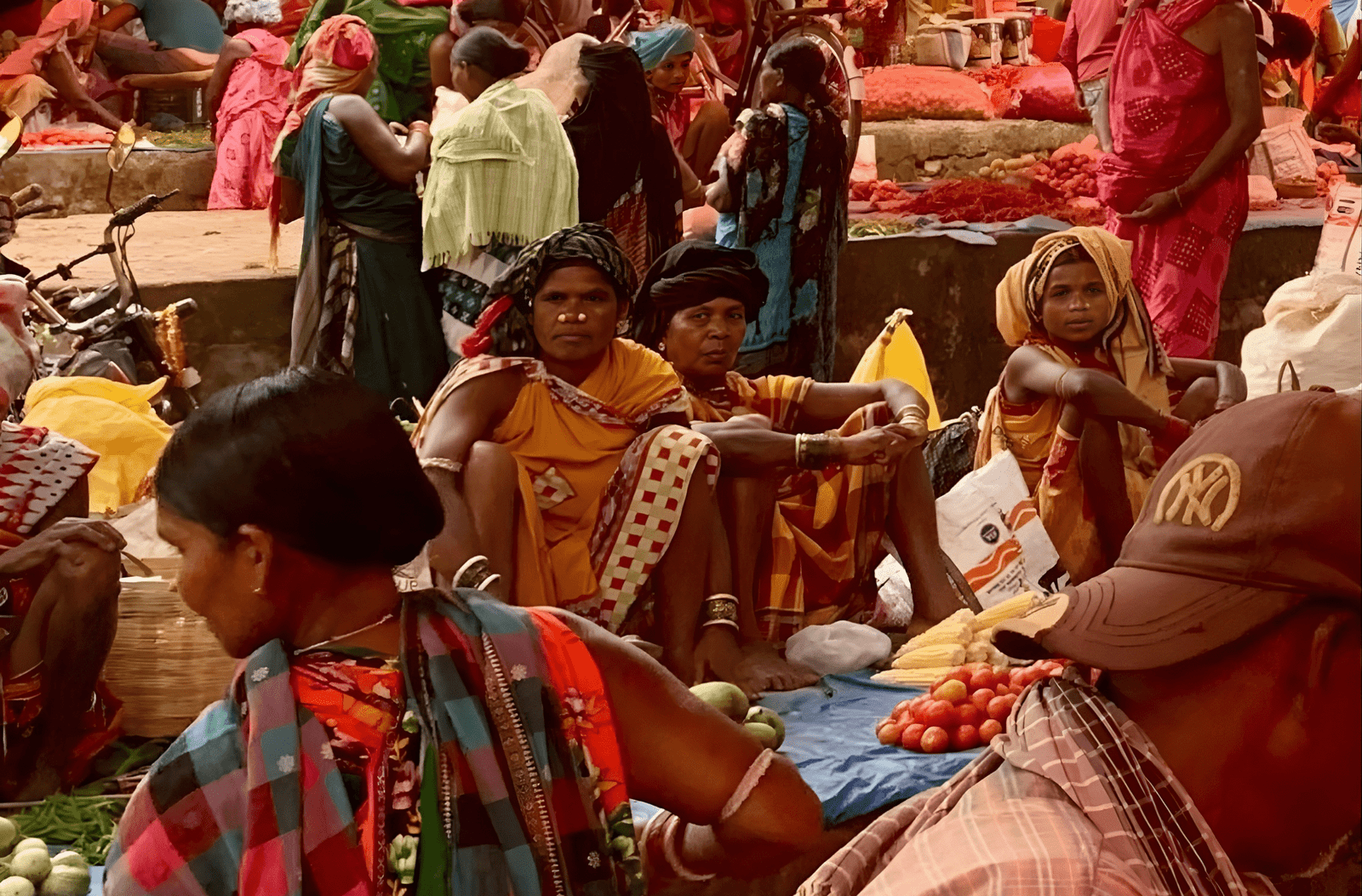
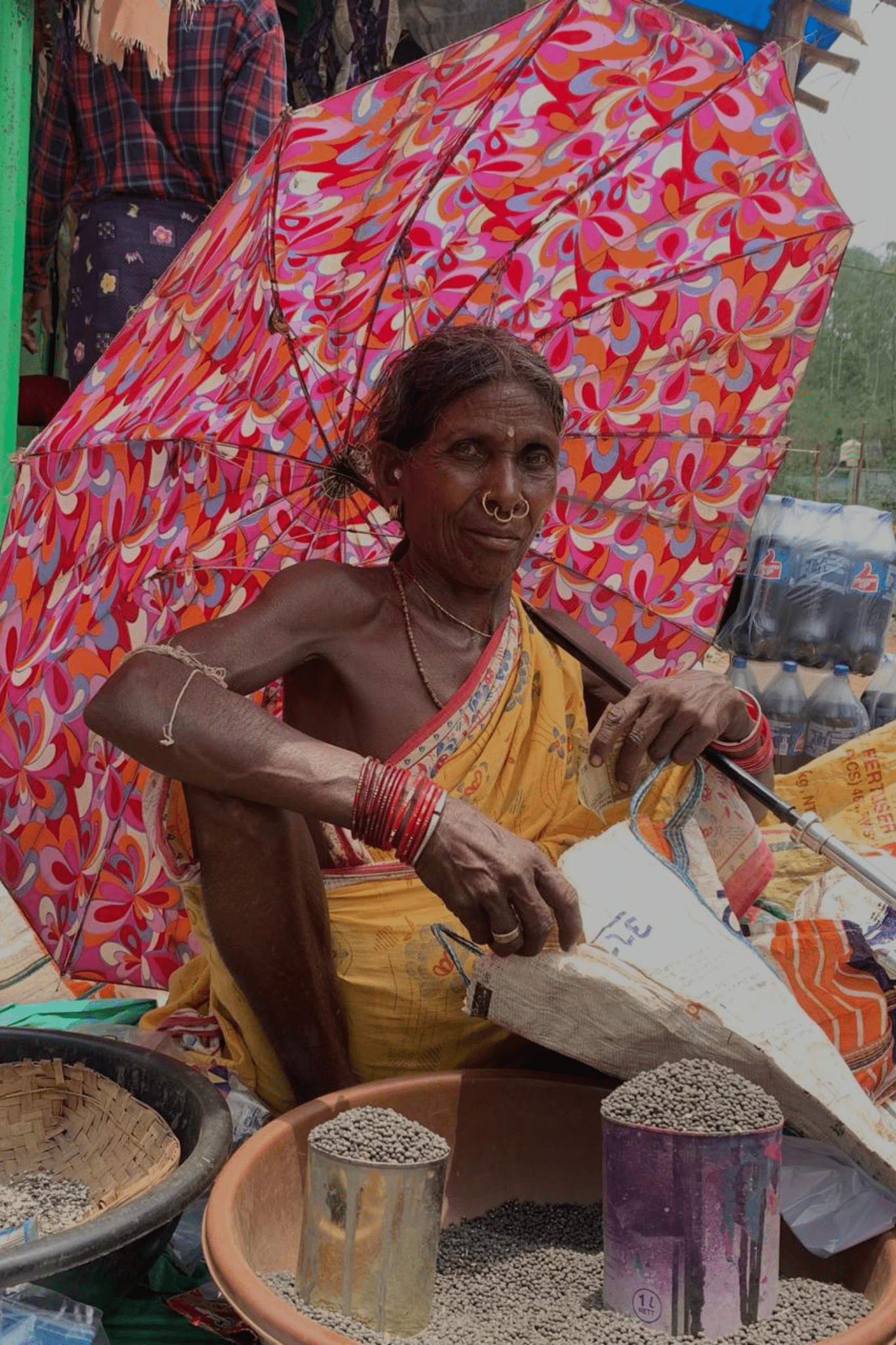
One of the highlights was visiting the weekly market in Kotagarh, a vital hub for the Kutia Kondh community. From indigenous fruits and vegetables to bronze sculptures, the market offered a vivid picture of daily life in a tribal village. The market is more than commerce; it’s a social gathering where stories are exchanged, relationships are built, and culture thrives.
The Wednesday market at Chatikona was far more than a simple bazaar as it felt like a vibrant crossroads of tribal life, commerce, and culture. As we wandered among the stalls, fresh produce from the hills—pineapples, mangoes, seasonal vegetables, forest greens, turmeric, and ginger—spoke of the fertile farms and orchards of the Niyamgiri region. Interspersed among them were handmade treasures: hand‑woven and embroidered shawls by Dongaria Kondh women, adorned with symbolic motifs and colours reflecting their land and heritage, alongside bamboo baskets, earthen pots, and other everyday wares crafted from natural materials, each item echoing centuries-old traditions.
Metalwork found its place, too. I noticed small brass and bell-metal artefacts, including figurines and traditional ornament boxes, often sold at Chatikona. From fresh forest produce and farm yields to tribal handicrafts and functional tools, the variety was striking.
What struck me most was how the market was less about tourist‑style shopping and more about community. For many tribal people, this weekly “haat” was a ritual, a chance to trade forest and hill produce for rice, utensils, cloth, or other necessities they rarely find in their villages. The market thus preserved not just livelihoods but traditions of weaving, pottery, metalwork, and other natural crafts. These weekly markets are humble efforts to keep craft forms and tribal identities alive that might otherwise be lost.
Our journey continued through the winding ghat roads to Semiliguda, soaking in the spectacular landscapes. Thanks to our skilled driver, Lituna, and our attentive coach attendant, Kanhu, the journey was smooth and scenic, allowing us to enjoy Odisha’s natural beauty fully.
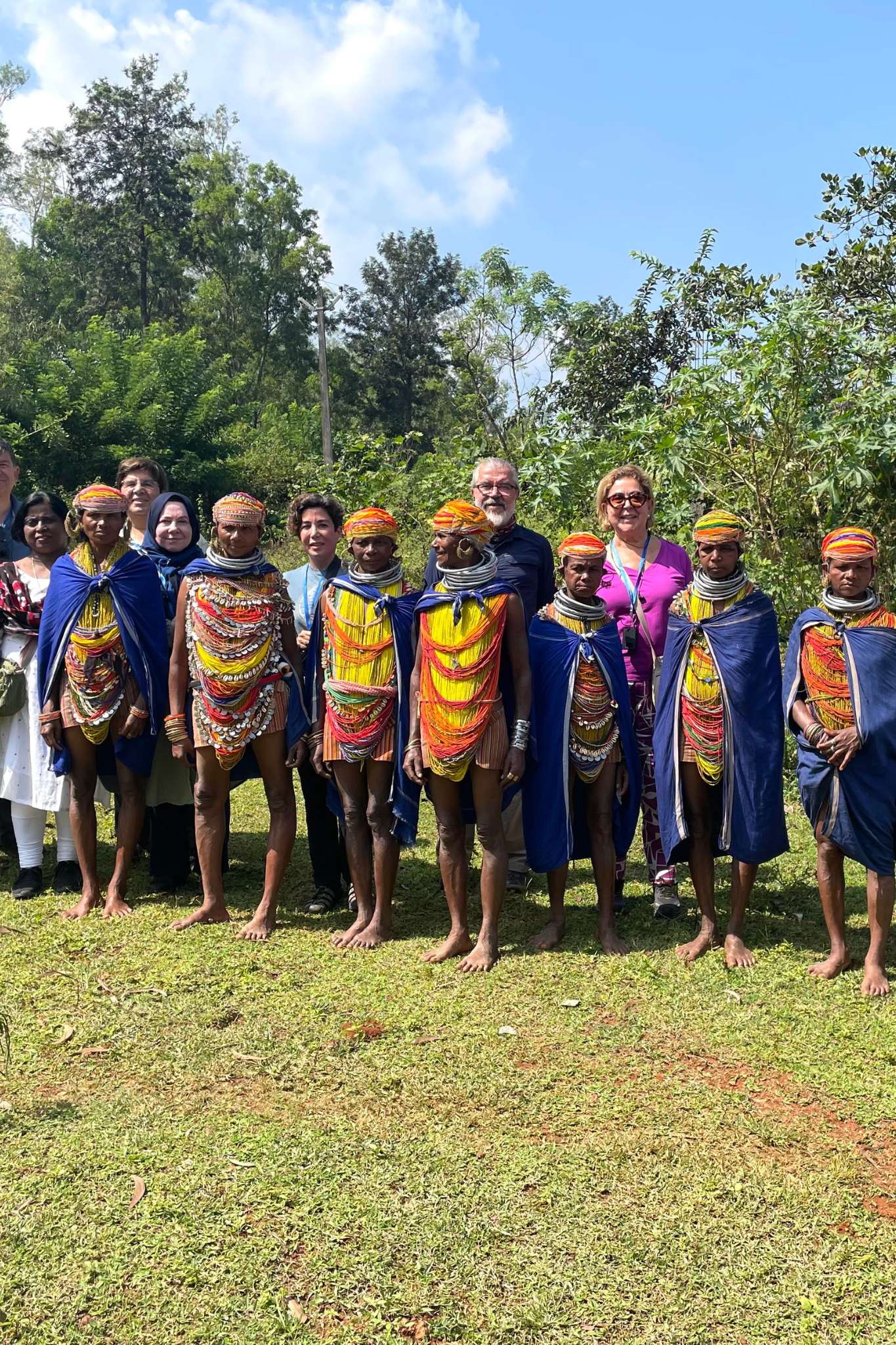
We dedicated Thursday to exploring the Bonda tribe, one of India’s most isolated and fascinating communities. The Onukudelli market was a riot of colour, with Bonda women adorned in vibrant beaded necklaces and silver ornaments, each piece telling a story of heritage and identity. Nearby, the Duduma Waterfall offered breathtaking views of the surrounding hills, adding a serene backdrop to the vibrancy of tribal life. In Gadaba village, we were treated to the traditional “Dhemsa” folk dance, performed by the local girls. Watching them dance was mesmerising as their movements, laughter, and music seemed to capture the rhythm of life itself. Their entire world revolved around these traditions, and in turn, these rituals kept their community alive, vibrant, and deeply connected to their land and culture.
The Gadaba introduced us to the vibrant Kerang textiles, showcasing intricate patterns and techniques perfected over generations. We met Ram, a local artisan, who patiently demonstrated the process of extracting yarn from the bark. Beyond their crafts, the Gadabas shared their love of dance and music through lively performances that reflected their joyful spirit and intimate connection to nature.
The Gabbas come alive in a vibrant tribal dance that echoes the spirit and strength of their community.
Finally, we visited Kunduli, one of the largest tribal markets in the region, serving the Paraja tribe and neighbouring communities. The market’s vibrancy, set against picturesque hills, allowed us to witness Odisha’s tribal craftsmanship at its best and purchase authentic souvenirs to remember the journey.
Our journey ended in Visakhapatnam, but the memories of Odisha’s temples, landscapes, and vibrant tribal communities lingered long after. Sharing this experience with fellow travellers only deepened its richness. As Romila Thapar reminds us, “The past is never dead; it is not even past,” and Odisha’s timeless traditions truly embody this.
Copyright belongs to the authors. All rights reserved.