Pushkar Camel Fair: From Trading to Rituals

Every year, as the Thar Desert turns cooler in November, herders and pilgrims arrive from every direction at a small town built around a sacred lake and a temple to Brahma, the only one of its kind in India. What begins as one of the world's largest camel and cattle gatherings gradually transforms, over the course of a week, into a full-moon pilgrimage. Tens of thousands rise before dawn to enter the waters of Pushkar Lake, seeking purification and blessing in the sacred waters.

The entire fair follows the lunar calendar, with its climax falling on Kartik Purnima, the auspicious full moon that gives the celebration its religious significance. Yet trading begins several days earlier, and by the time the religious ceremonies take centre stage, many camels have already been sold and departed.
Experience Details

Ask people, and you’ll hear that the Pushkar Fair is called overrated, with too many buses, too many cameras, and too little of the fair left once the tourist crowds arrive. There’s truth in that. It feels more like a fairground than a festival.

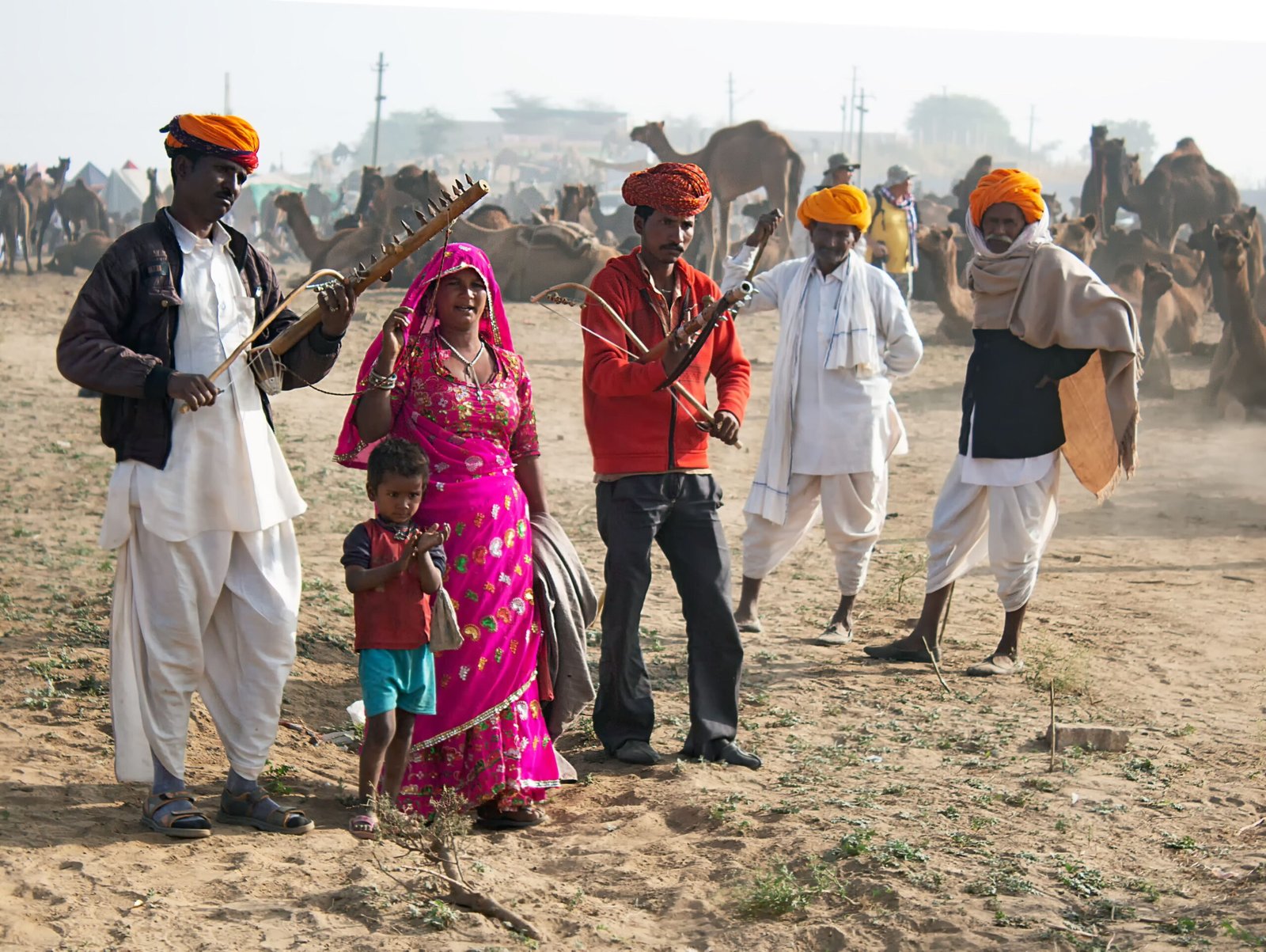
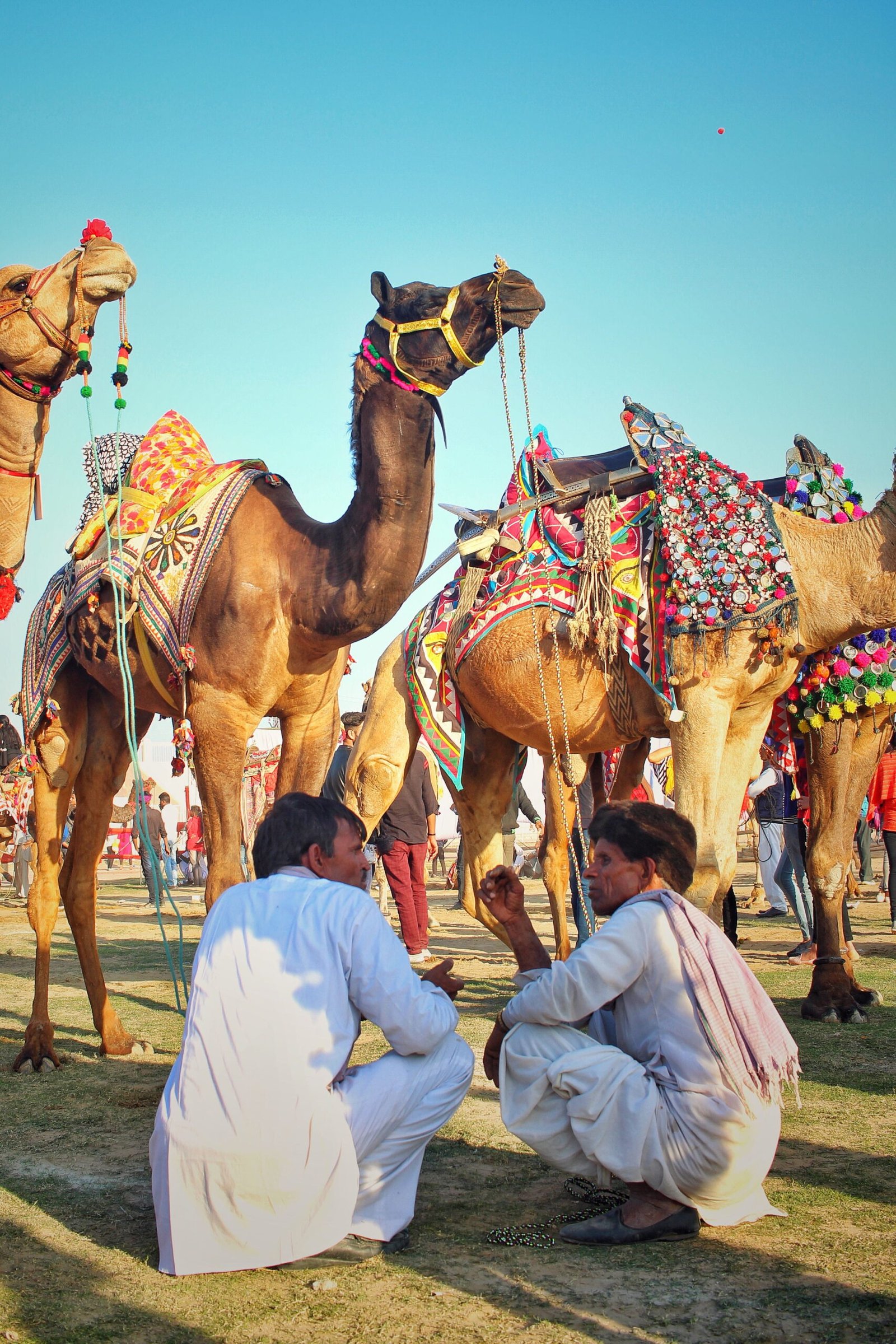
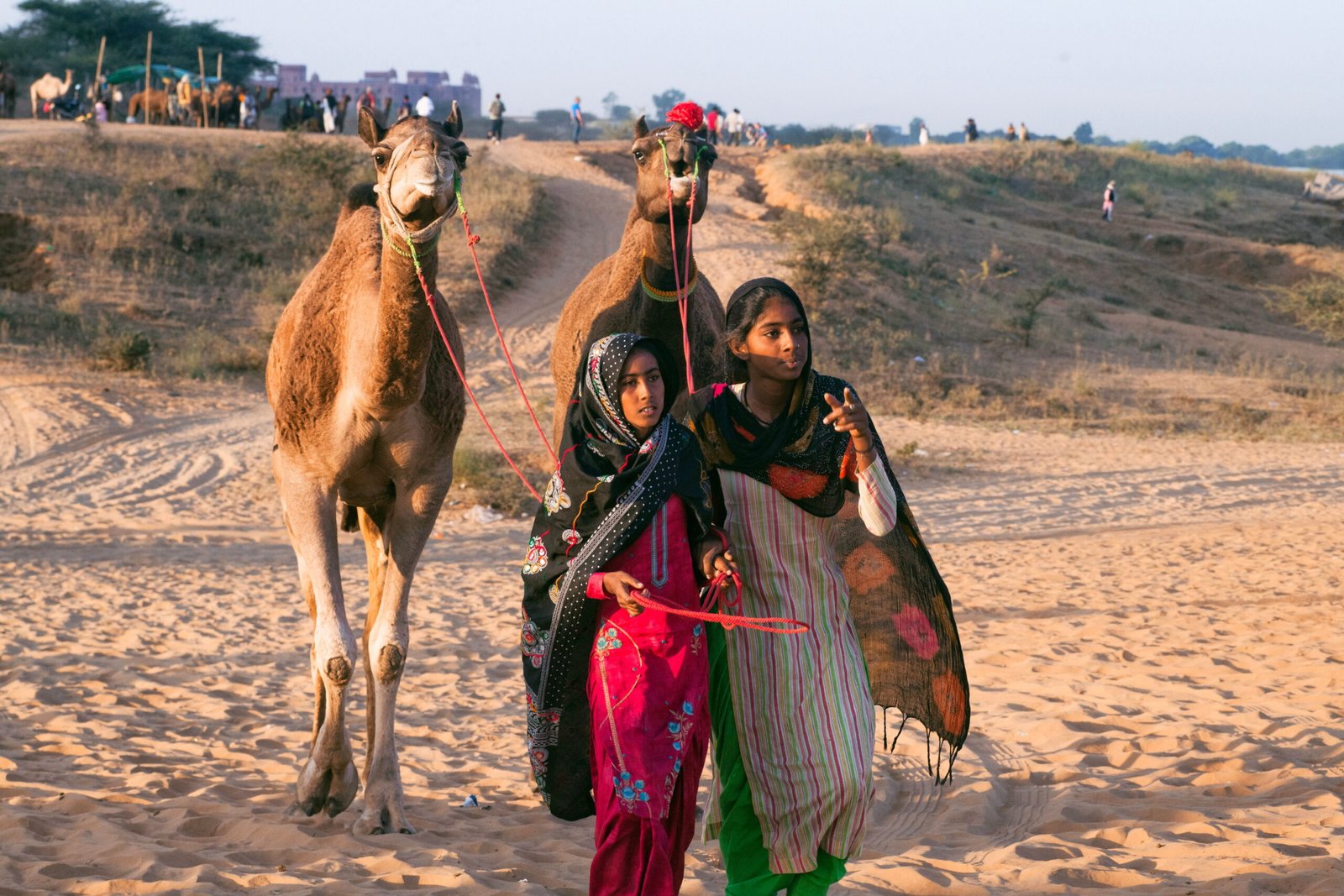
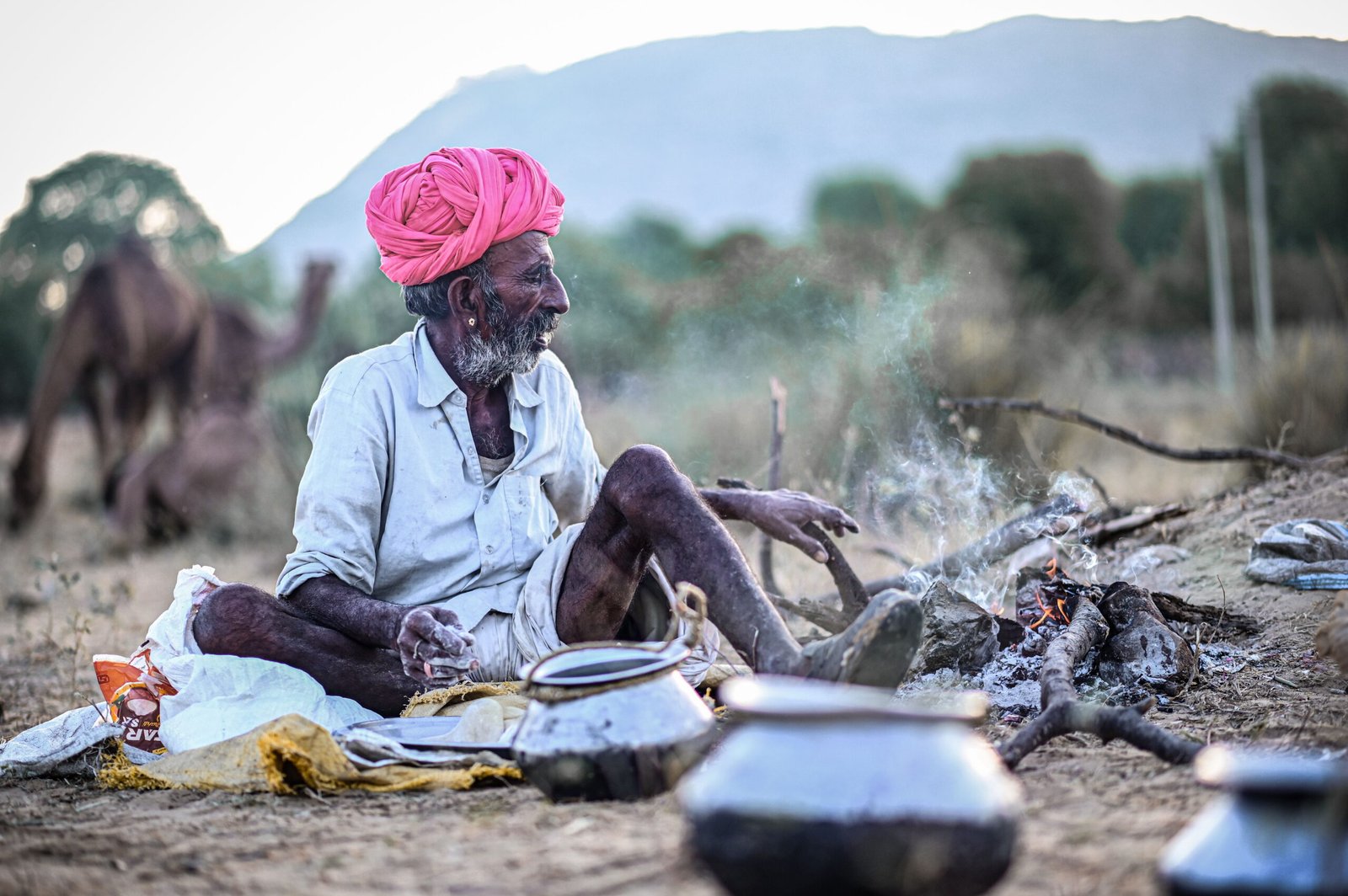
But arrive a little early, before most tour groups do, and Pushkar is a different event entirely. The dunes belong to the camel and cattle traders who’ve walked their herds in from across Rajasthan. This is where the fair actually happens!

Pushkar Camel Fair Experience Details

Experience Highlights

Best for

Social Impact

Pushkar Camel Fair Experience in pictures

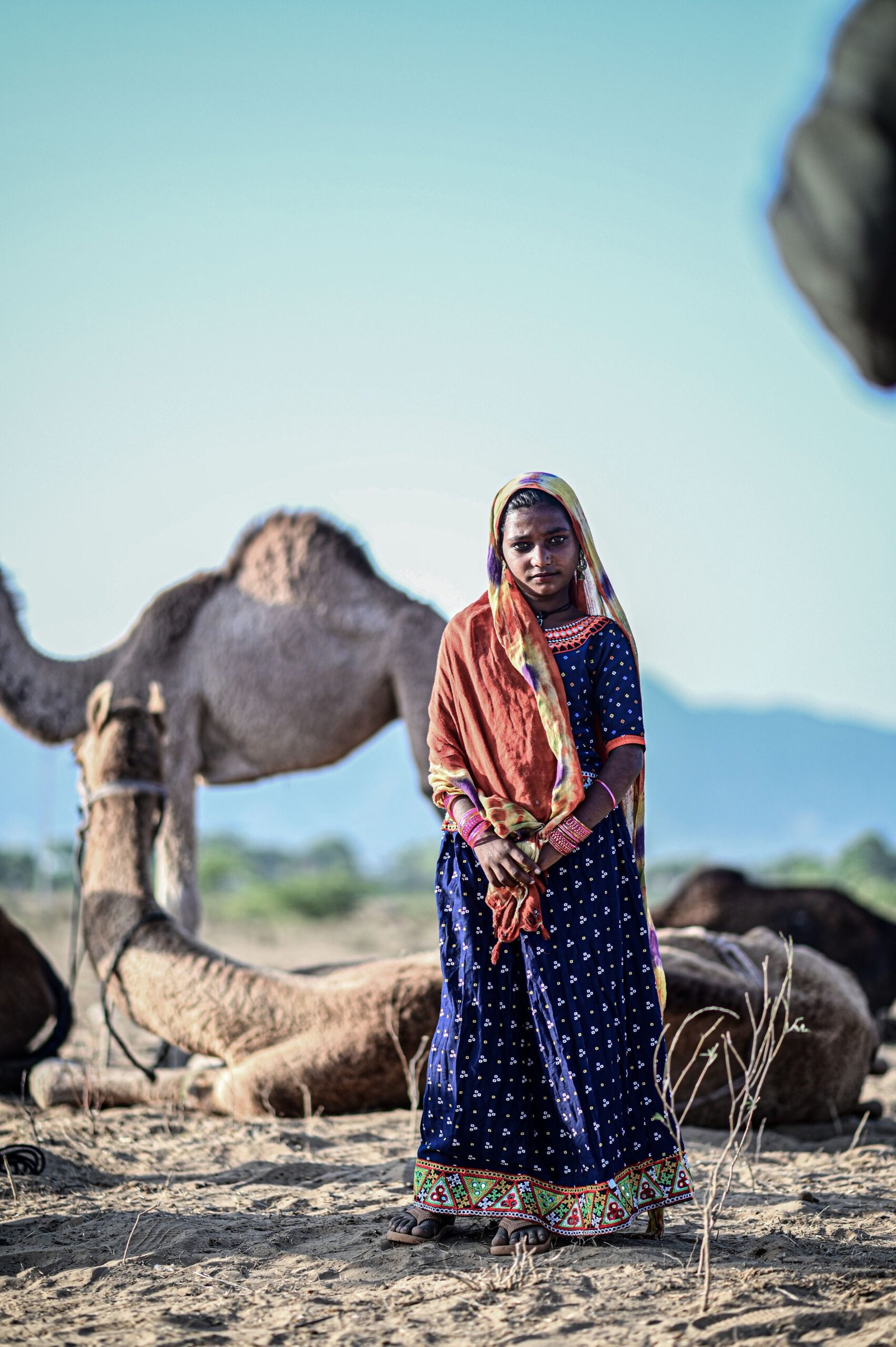
Visual storytelling of dawn trading, desert camps, folk performances and ritual bathing, capturing the two very different moods of a single fair.

Experiences >> Odisha Tribal Experience