Words & Photography: Nidhi Gopal, Ujjwal, Sunil Sharma & Dominique Gallois
Long before this article came together, the four of us sat in a little cafe in Delhi, wrapped in the soft warmth of a winter sun. A masala chai steamed lazily between us. We all had multiple trips to different regions recently, yet strangely, every story carried the same heartbeat: Travel to India changes you every day.
Nidhi often says that India is not a destination but an unfolding. “What travellers forget is that India reveals herself slowly. You can’t chase her. You let her walk with you.”
So, slow down. Let the country reveal itself to you, not as a checklist but as a living, breathing story.
India is home to 1.4 billion people, belonging to over 2,000 ethnic groups and speaking thousands of dialects, with 22 languages officially recognised by the government.
You can underline the same sentiments from Eat, Pray, Love, which describes it perfectly: “Travelling is the great true love of my life. And India… it asks you to trust, to surrender, to stay open.” Yes, India rewards those who don’t clash with her rhythm.
Sunil, who has travelled to nearly every corner of the country, often says, “India is like a big neighbourhood. Most people want to help, and a few want to help themselves.”
But honesty is far more common than trickery, and when in doubt, your hotel, your guide, or your pre-booked tour operator will always steer you right. India’s warmth is real, constant, and everywhere. All he suggests is that you stay alert while staying open.
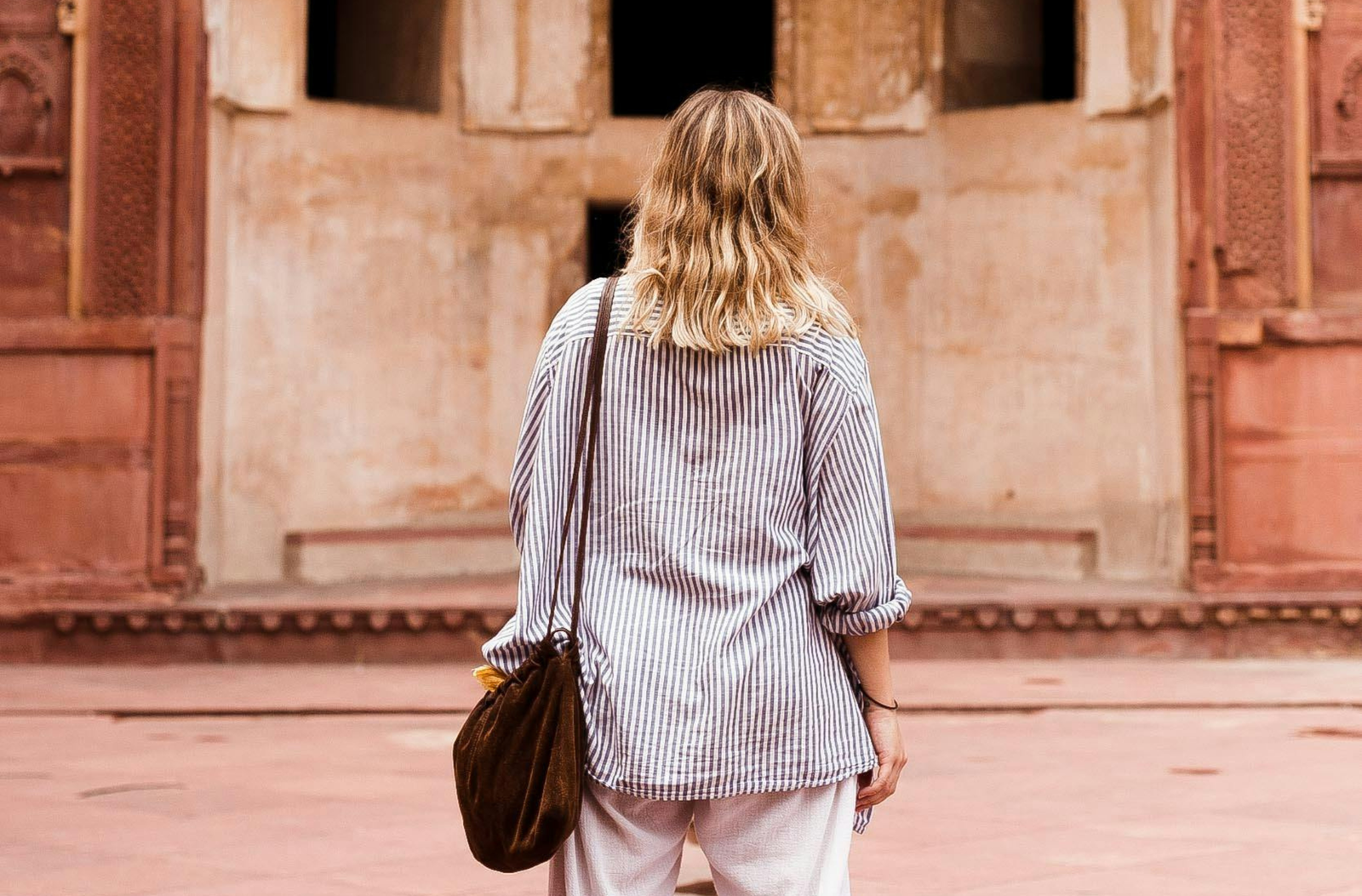
Women often ask Nidhi whether India is safe. Her answer is honest. “India is emotional, loud, expressive, but also deeply protective.” Travelling smart always makes travelling safe. Stay connected, arrive during daylight, be aware of your surroundings, and dress with sensitivity to local culture, not out of restriction, but respect.
Dominique adds that feeling safe in India comes from making informed choices, not fearful ones. For every worry a traveller has, there are thousands of stories of hospitality, support, and kindness.
Ujjwal believes that travelling in India with experts first is a gift to yourself. “India is like a great river,” he said, recalling his last experience on the Odisha Tribal Tour. You can cross alone. But crossing with a guide lets you enjoy the river rather than fight it. Many travellers who start with a tour operator return years later as confident solo explorers.
Dominique still remembers her first Rajdhani Express train journey. The chai cups, the vendors, and families opening home-cooked meals wrapped in newspaper felt like you had entered the heart of India through its windows.
One does not come to India to diet. One comes to taste. Nidhi insists that some of India’s best food is found on the streets, steaming, fragrant, and freshly made. Sunil adds with a grin, “Eat where it’s busy, not where it’s beautiful.” High turnover keeps things fresh. From lassi in Jaipur to dosa in Chennai to biryani in Hyderabad, India is a feast, sometimes a very spicy one, but always unforgettable. But eating in India is like trusting India. Do it with curiosity, do it with awareness, and it will reward you richly.
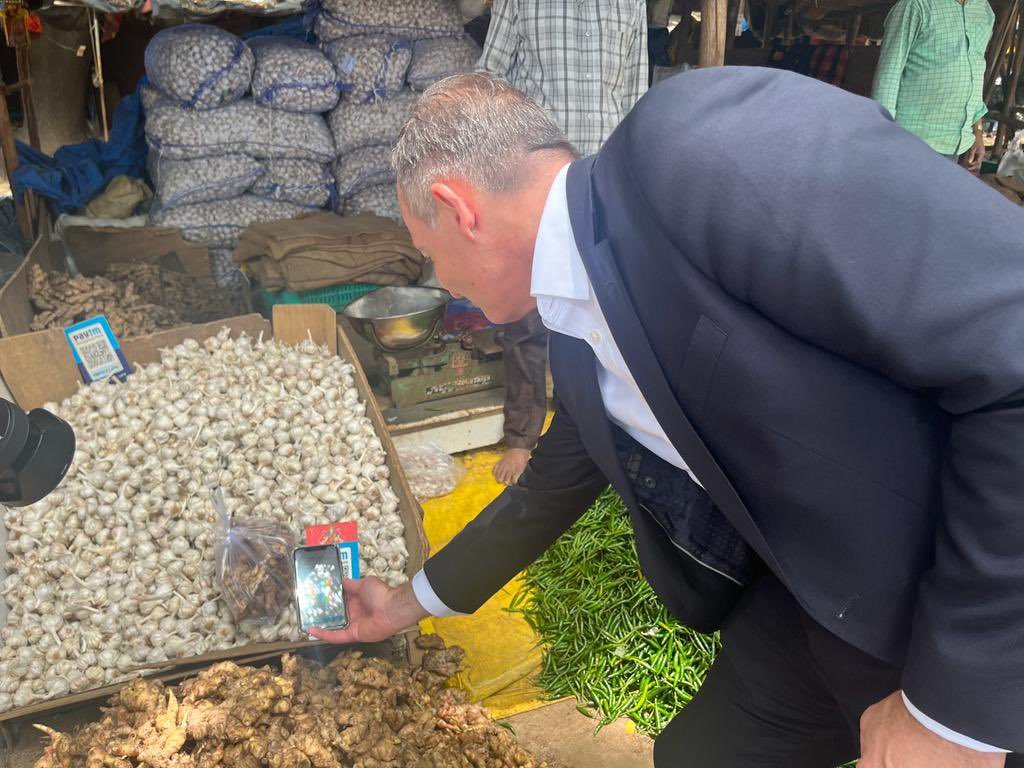
Nothing works in India without WhatsApp and OTPs. The country talks fast, moves fast, and confirms fast. A local SIM helps you navigate, stay connected, and make the country much more accessible in ways that surprise first-timers. With UPI payments, QR codes on street stalls, and lightning-quick digital services, India’s digital leap often surprises even the most seasoned travellers.
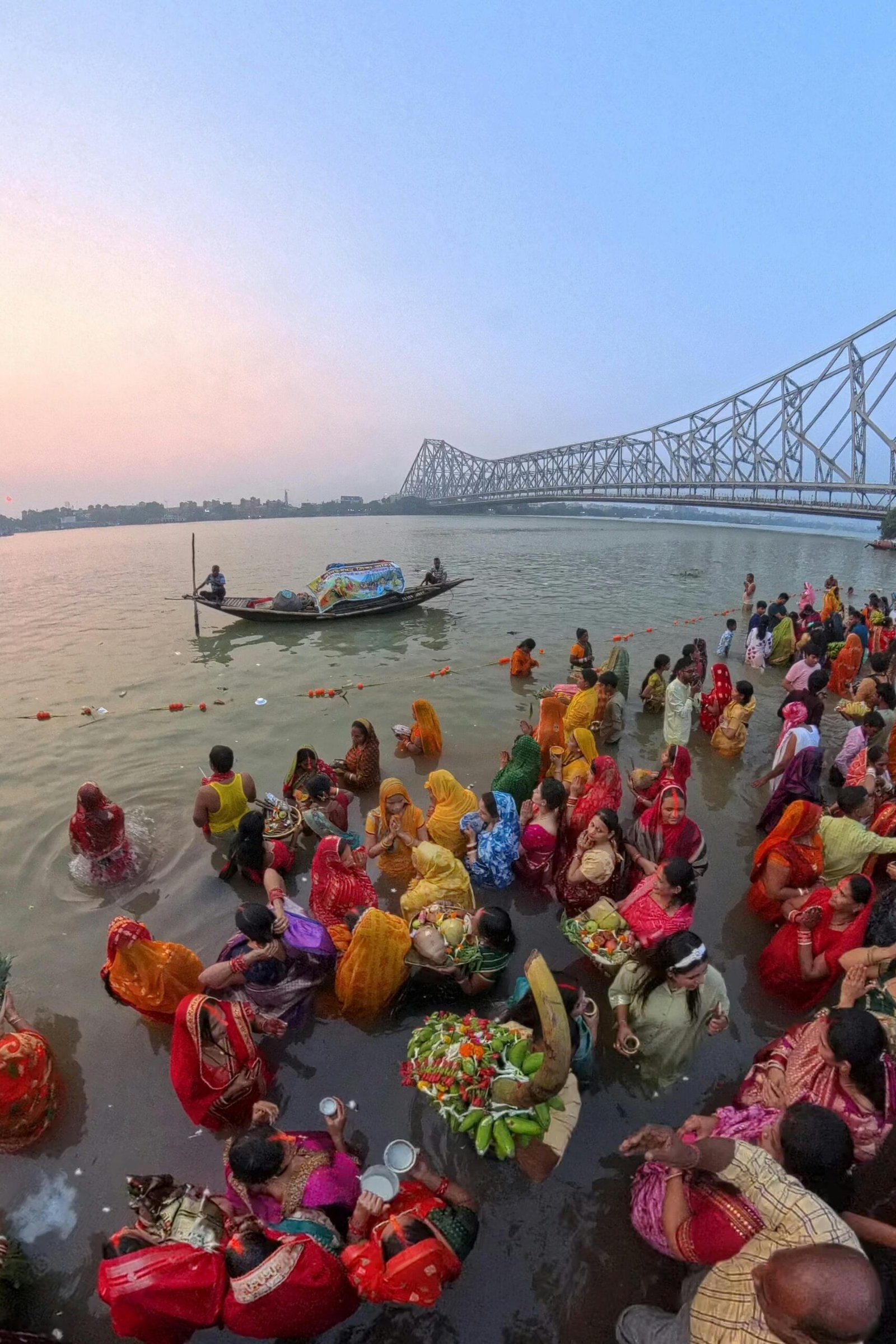
India is spiritual even when it isn’t religious. It’s cultural even when it looks chaotic. Ujjwal, the sustainability advocate among us, often says that India doesn’t just expect respect; she responds to it. Travellers notice so much more when they move gently, observing and listening. Public displays of affection are generally considered awkward, so while travelling with a partner, it’s best to avoid kissing or cuddling in public.
India’s moods change with the seasons. Winter belongs to Rajasthan. Summer belongs to the mountains. Monsoon belongs to Kerala, the Western Ghats, and misty forests where everything feels enchanted. Dominique says, “Don’t oppose India’s weather. Dance with it.”
The countryside, tiger reserves, deserts, Himalayan hamlets, river islands, and rainforest edges offer an India that few first-timers imagine. Out there, time feels slower, kindness feels deeper, and beauty feels untouched. India’s rural landscapes often feel like a timeless wonder, where travellers quietly transform.
By the time our chai kettle had gone empty, we realised why we needed to write this.
Because your India travel never repeats itself.
Copyright belongs to the authors. All rights reserved.