Words & Photography: Lakshay Khurana // Additional Photography: Immerse India
To understand Rajasthan havelis, it helps to know that the historic merchant class of this region did not believe in modesty. Between the 18th and early 20th centuries, traders made enormous fortunes along caravan routes that linked India with Central Asia and beyond.
When they returned home, they obviously did not buy sports cars. They built havelis.
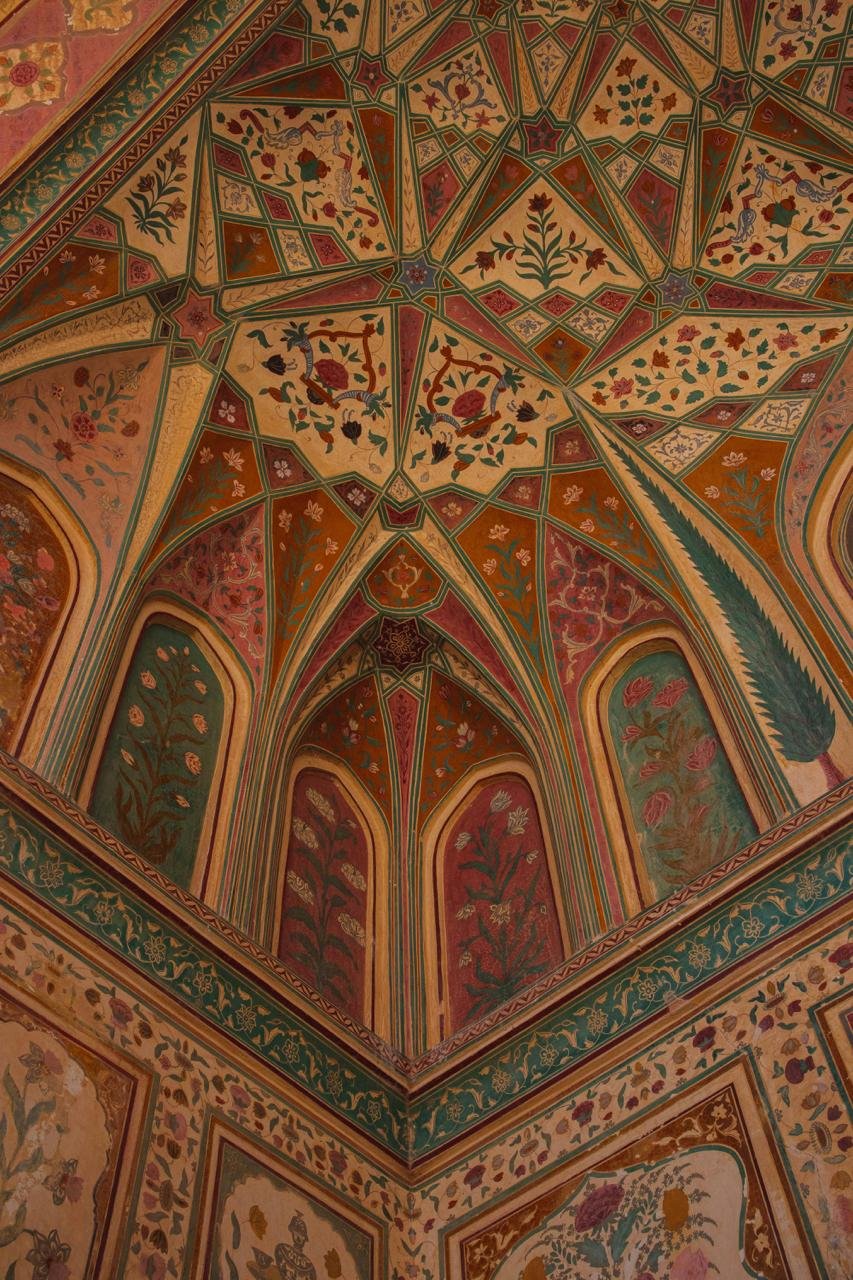
These mansions were designed to impress neighbours, business partners, and possibly the occasional visiting maharaja who happened to pass through town. Thick sandstone walls protected against desert heat. Central courtyards created natural ventilation. But the real showstopper was the decoration.
Walls were covered in murals depicting everything from Hindu mythology to British steam trains and early automobiles. Balconies featured detailed stone latticework known as jali. Wooden doors carried stunning carvings that turned every entrance into a small architectural marvel.
Many of these mansions have now been restored as heritage stays. You might find yourself savouring a local delicacy beneath a painted ceiling that predates electricity, telephones, and impatient expectations of instant WiFi.
Architectural historians have long pointed out that Rajput builders favoured bold scale and lavish ornament over minimalism.
The capital greets visitors with the subtlety of a brass band. The city’s historic centre glows with terracotta pink buildings, a colour introduced in 1876 to welcome the Prince of Wales. It worked so well that the entire district kept the shade permanently.
Amid the enjoyable chaos of bazaars selling jewellery, textiles, spices, and suspiciously persuasive street snacks, stand remarkable merchant mansions that now operate as boutique hotels.
Inside, life slows down dramatically. Courtyards contain marble fountains and potted plants. Somewhere, a peacock is almost certainly wandering around as though it owns the place and has been running the property long before the hotel manager arrived.
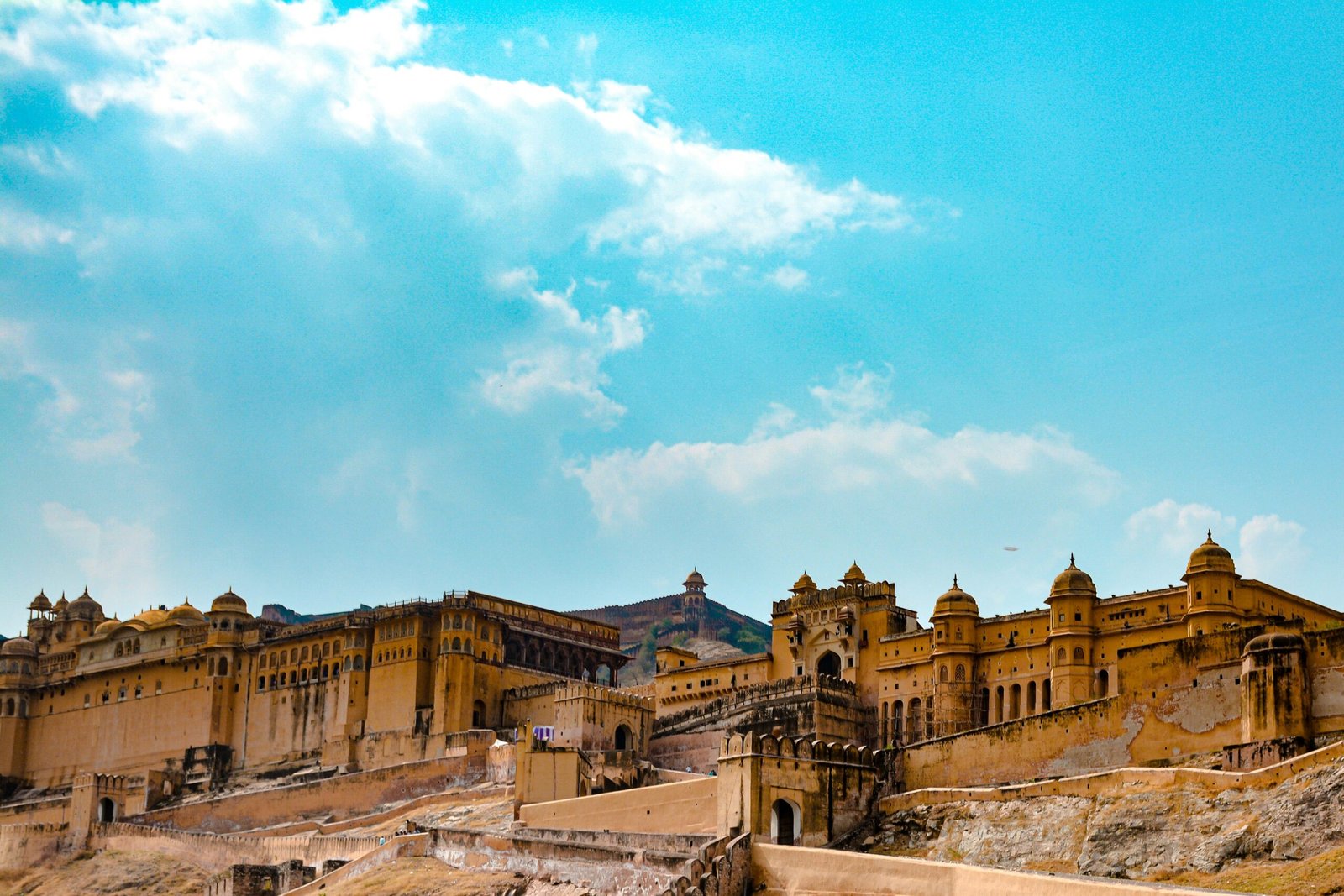
Jaipur also hosts several former royal residences that belong to the grand lineage of Rajasthan palaces. These properties specialise in scale. Sweeping gardens, grand staircases, and halls filled with portraits of regal ancestors create an atmosphere that feels suspiciously close to a historical film set.
Standing in one of these halls, it becomes clear that the rulers of Jaipur were not interested in modest architecture.
If Rajasthan were a film genre, Udaipur would be the romantic epic.
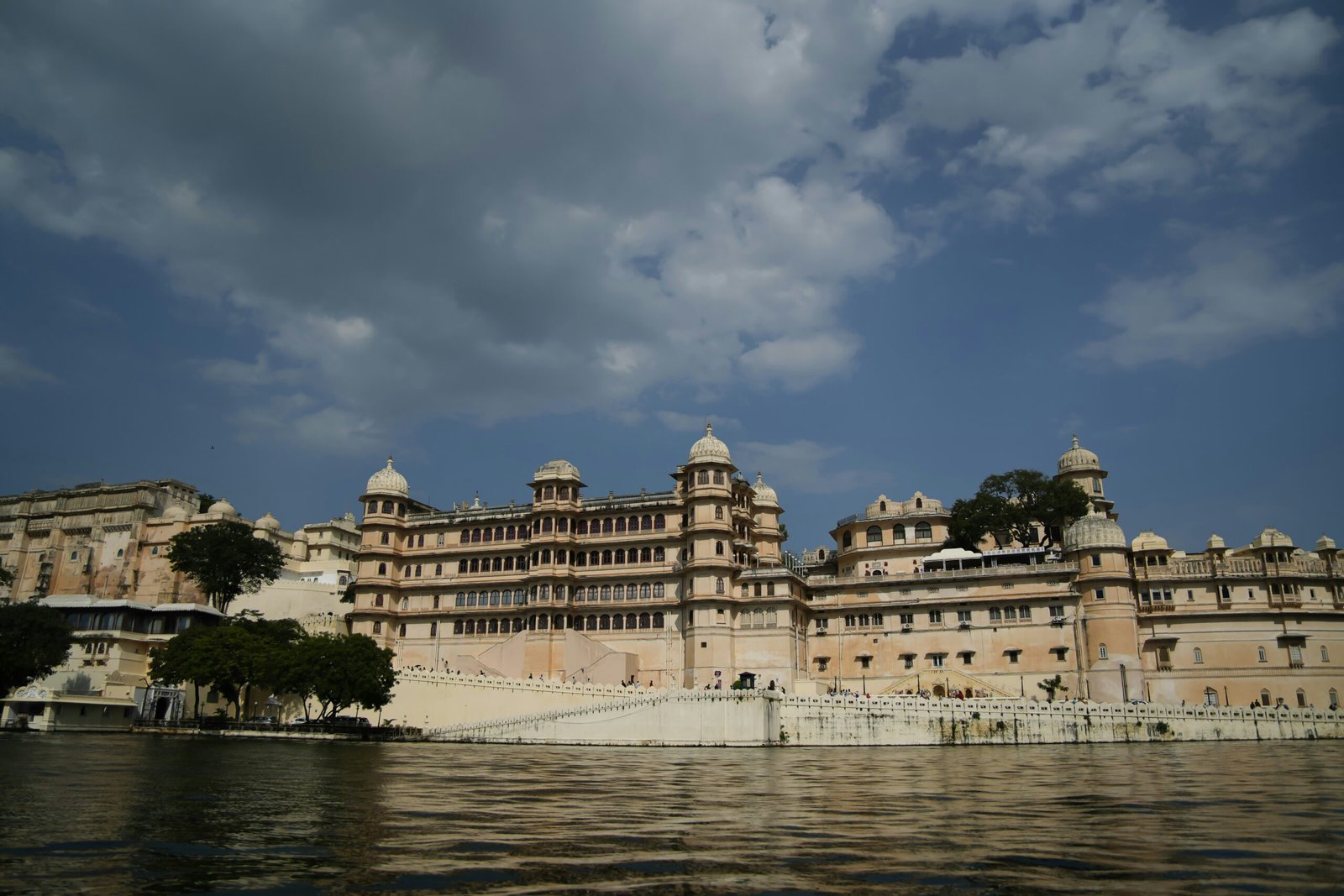
Known as the City of Lakes, it sits among the Aravalli hills with shimmering water reflecting white marble palaces. The view across Lake Pichola feels so theatrical that many travellers assume it must have been designed with photographers in mind.
The city’s royal complex alone stretches across an enormous area of courtyards, terraces, and ornate gateways. Several sections now welcome travellers, with sunlight filtering through carved windows and across faded murals. These lakefront residences are among the most celebrated Rajasthan palaces, and for good reason.
The cinematic appeal of Udaipur has attracted filmmakers for decades. The James Bond film Octopussy used the city’s lake palaces and narrow streets as a backdrop, turning Lake Pichola into one of the most glamorous settings in the entire Bond franchise.
Writers have struggled to summarise Udaipur’s appeal without sounding dramatic.
He had a reputation for exaggeration, but after watching sunset over Lake Pichola from a palace balcony, most visitors understand exactly what he meant.
Deep in the Thar Desert stands Jaisalmer, a city that appears to have been sculpted from sunlight.
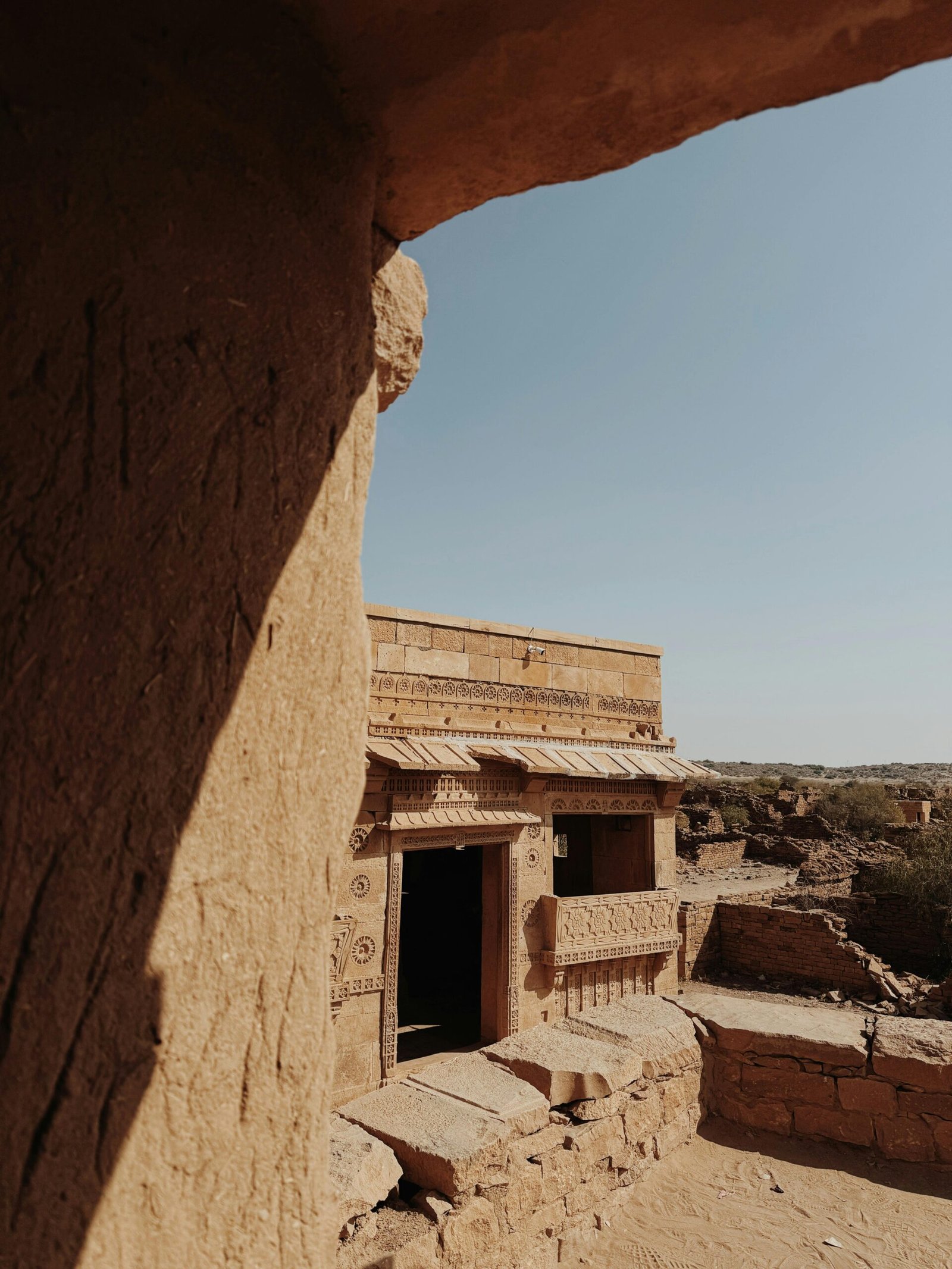
Nearly every building uses local sandstone, which glows golden during the day and turns amber at sunset. The fortified old city contains some of the most elaborate merchant mansions in India.
These Jaisalmer havelis feature balconies and facades so complexly carved that the stone resembles lace.
One particularly famous example, Patwon Ki Haveli, actually consists of five mansions built by a wealthy trading family in the 19th century.
Standing in front of it, you may wonder how artisans managed to carve such delicate detail without modern tools. Considering the results, they were clearly doing something right.
Jaisalmer’s fort is also unusual because it still functions as a living neighbourhood. Shops, temples, homes, and guesthouses operate within its ancient walls. Some restored havelis inside the fort now host travellers, allowing them to wake up inside a structure that has been part of the desert skyline for centuries.
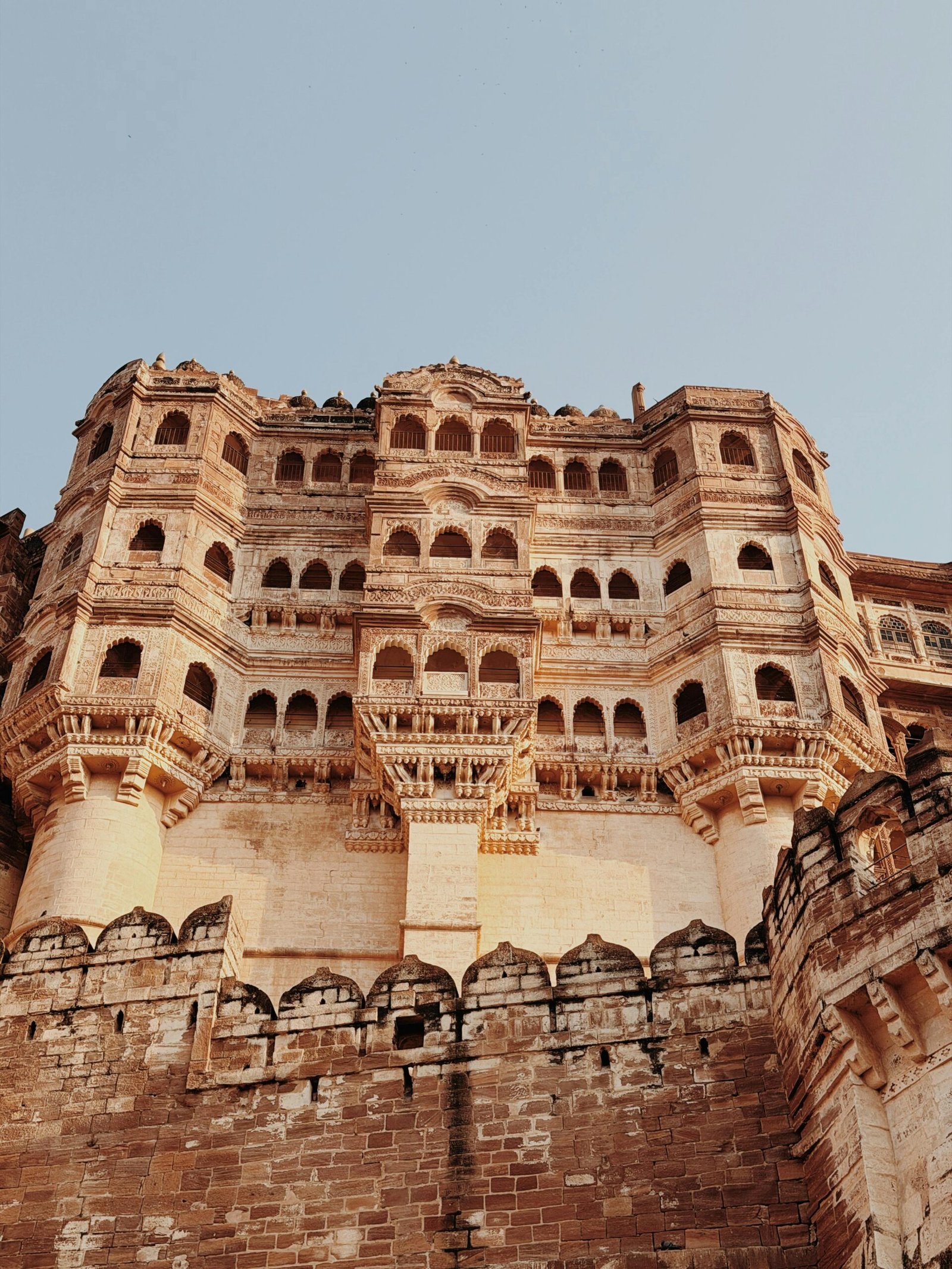
Also, labelled as the “Gateway to the Thar Desert”, it has one of the most dramatic urban landscapes in India. Rising above the city is Mehrangarh Fort, an enormous sandstone stronghold that looks as though it was designed by someone determined to win every medieval architectural competition.
Below it spreads the Blue City, where hundreds of houses display shades of indigo paint. Historians suggest the colour once indicated Brahmin households, though residents today admit it also helps keep interiors cool during intense summer heat.
Hidden within these lanes are elegant havelis that now welcome travellers to stay.
Above everything stands Umaid Bhawan Palace, one of the grandest Rajasthan palaces still in use today. Built during the 20th century, it combines Rajput architecture with Art Deco design and remains partly home to the former royal family.
The rest functions as a luxury heritage hotel where guests experience the kind of hospitality that involves silver serving dishes and staff who seem to know your tea preference before you do.
Between this state’s headline cities lies another world entirely. The highways stretch across farmland, desert scrub, and quiet villages like Nimaj and Luni, where life moves at a much slower pace.
Here you find smaller heritage properties that once served as country residences for noble families. These estates lack the extravaganza of palace hotels yet present something arguably more interesting.
And that is, personal stories.
Owners sometimes share tales about ancestors who hosted prestigious hunting parties or negotiated trade agreements beneath courtyard arches. Old photographs line the walls, showing generations of family members dressed in turbans and formal attire.
Guests might spend the day exploring nearby stepwells, ancient temples, or local markets. Afternoons tend to pass in slow, relaxed dawdling and more chai stops than originally planned. Evenings usually involve generous home cooking, extra servings offered with a level of genuine warmth that makes saying no feel like a federal offence, and long conversations under open skies.
Rajasthan’s rural hospitality has a way of convincing visitors that modern schedules are overrated.
The difference between a modern hotel and a haveli is simple. One is designed for efficiency. The other was built for life.
Writers and historians have tried for decades to summarise Rajasthan’s appeal.
Travel writer Jan Morris described Rajasthan’s visual culture as having a theatrical, almost stage-like quality.
That theatrical quality explains why the state remains irresistible to travellers.
Where else can you wake beneath a painted ceiling from the 1700s, drink tea in a courtyard where merchants once negotiated fortunes, and end the evening watching sunset from a balcony overlooking one of the great Rajasthan palaces?
By the end of the journey, the line between hotel and history becomes wonderfully blurred.
And that, in the world of travel, is a very good problem to have.
This is an excerpt from the travel notes of Lakshay Khurana, an avid traveller and contributor to Immerse India’s travel stories, who brings destinations to life through thoughtful narratives and personal journeys.
Enjoyed this story? Subscribe to Immerse India’s monthly newsletter, “The Peep”. Discover expert travel insights, offbeat destinations, community stories, and thoughtfully curated experiences designed to help you explore India deeper and more consciously.
Words & Insights : Lakshay Khurana
Additional Photography: Immerse India
Copyright belongs to the authors. All rights reserved.