Words & Photography: Lakshay Khurana // Additional Photography: Immerse India
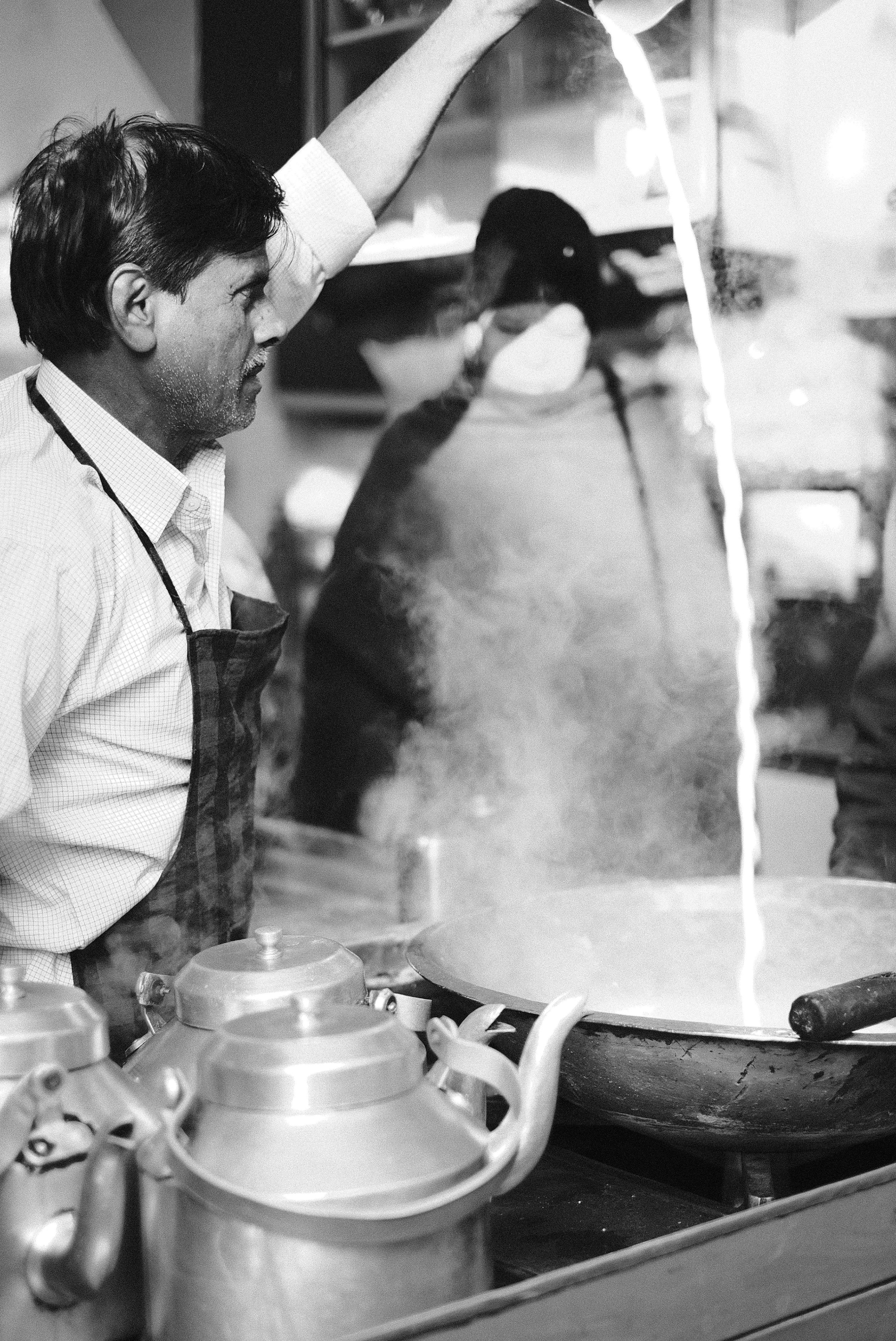
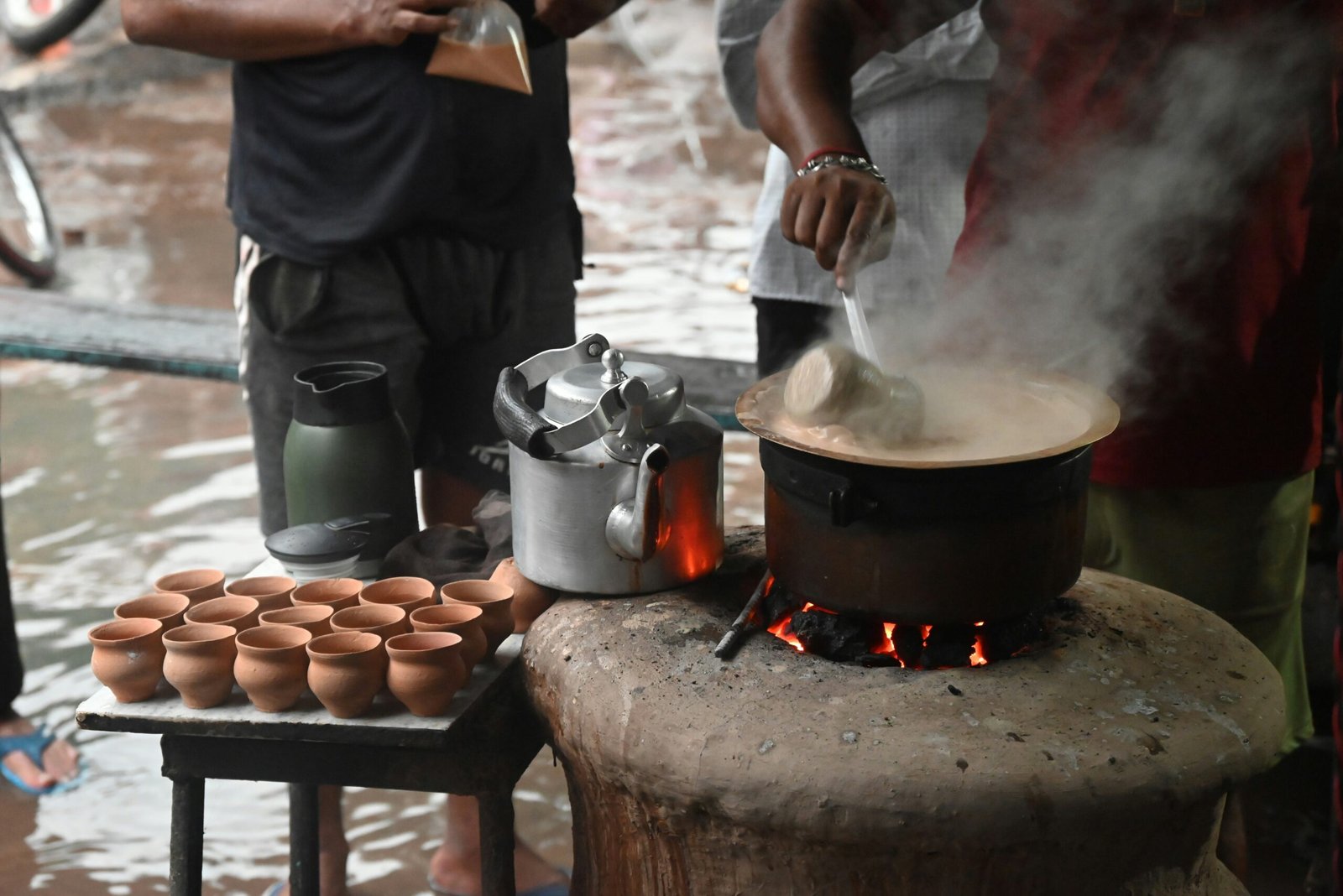
Indian street tea culture revolves around speed, repetition and conversation. The chai wallah prepares spiced milk tea by boiling strong Assam tea leaves directly in milk with sugar. Fresh ginger is crushed into the mix, cardamom pods are split open, and depending on the season, cinnamon or cloves deepen the flavour. The liquid is brought to a rolling boil more than once, intensifying both colour and taste.
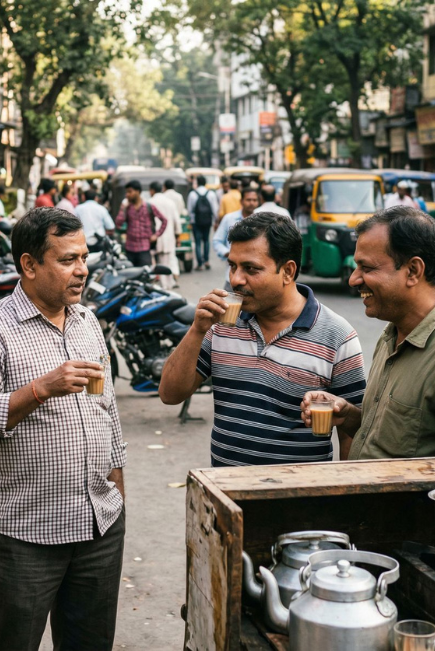
The half-glass of masala chai serving keeps everything efficient. Customers do not linger for an hour as they might in a European café. They stop briefly before work, between business meetings, after navigating local markets, or while waiting for a train. The masala chai is hot, sweet, spiced and direct. It demands attention, then allows you to move on.

Cricket discussions in particular carry remarkable intensity. I have listened to animated arguments about batting technique that rival professional commentary panels, and references to Sachin (Tendulkar) surface with predictable frequency. During test matches, the phrase “masala chai break” is not merely symbolic; it is integrated into national viewing habits. Cinema slips into conversation with equal ease. A dialogue from an older Hindi film becomes shorthand for a political situation. A recent song release and its music video is evaluated between sips. No one pauses to publicise that popular culture is being examined; it is simply embedded in daily exchange.
There is also the sensory dimension, which no travel brochure can adequately summarise.
The aroma of cardamom and ginger rises with steam from the kettle. Milk thickens and caramelises slightly at the edges. The metallic rhythm of ladle against steel forms a steady background cadence. Traffic noise blends with vendors calling out prices for fruit or newspapers. Someone dips a glucose biscuit into their masala chai and times it perfectly to avoid collapse.