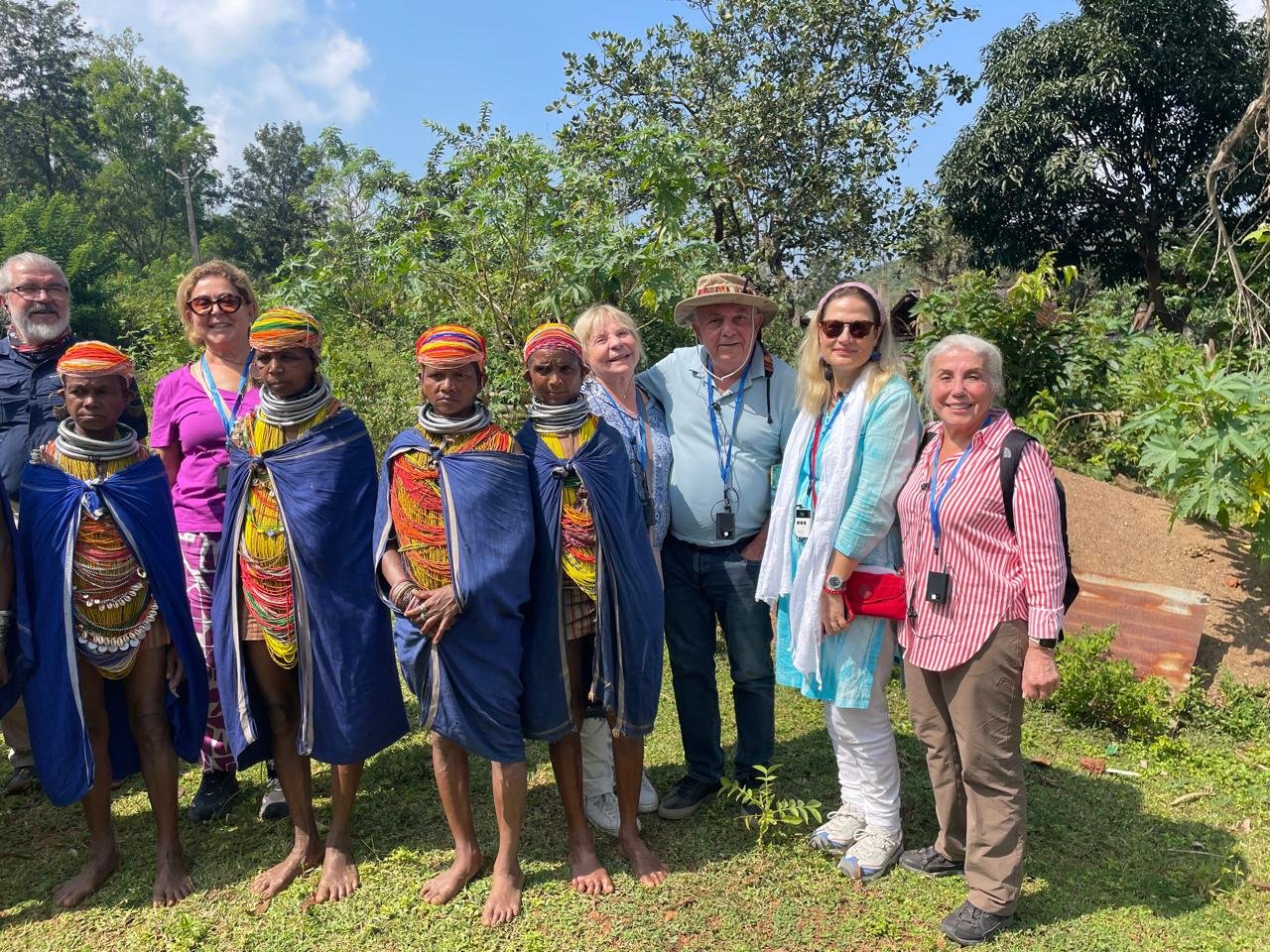
Visiting the Odisha tribal area is a once-in-a-lifetime experience and a defining highlight of an Odisha Tribal Tour. As you are going through the deeper parts of the region, you begin to realise the effects of religion, language, politics, and the modern age on the lives of the Odisha tribes.
It is a journey that allows you to understand how our lives evolved, and you start to question which way of life is better—our modern world or the traditional rhythms of the Odisha tribes.
The answer to etiquette during an Odisha Tribal Tour is quite simple. Respecting the privacy of people is essential here as well. Do not photograph people without permission; children, in particular, should always be out of question. Do not touch people, especially children, while visiting Odisha tribal regions.
It is important not to give any gifts (goods) or money to anybody in the area. This disrupts the social dynamics, and unfortunately, children of the Odisha tribes may start expecting gifts or money from every visitor.
A modest outfit is always welcome in India, especially important when travelling through the Odisha tribal areas.
I firmly believe that an Odisha Tribal Tour should always be accompanied by a regional licensed guide. Most guides speak or understand a few tribal languages, or at least have long-standing relationships with members of different Odisha tribes. This provides reliable access to remote areas and ensures respectful interaction with the communities and their culture.
Each tribe has a distinct way of living and unique customs. It is difficult to remember them all, but experienced guides can explain these differences perfectly during your Odisha Tribal Tour.
One of the best ways to observe the daily life of the Odisha tribes is to visit their weekly markets. Across the region, these markets bring together multiple tribes. Observing them in the market while they engage in their everyday exchanges is both exciting and ethically responsible.
Travelling in Odisha tribal areas is generally quite safe and deeply enriching for travellers.