In the desert of Rajasthan, comfort wasn’t invented with machines. It was carved in stone.
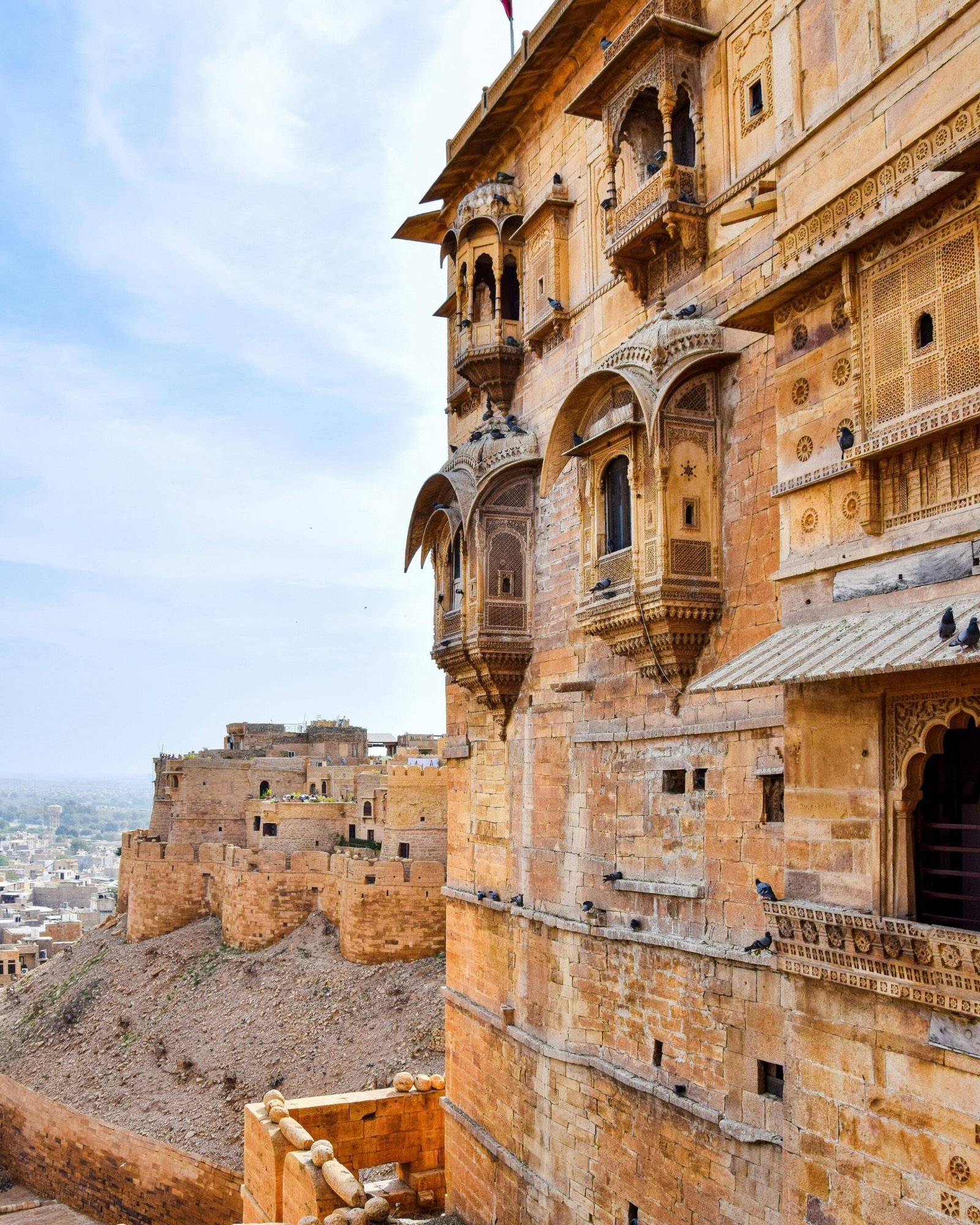
When temperatures in Jaisalmer soar beyond 50°C, every haveli carries a quiet innovation: the jaali. More than an ornament and beauty, it is a system.
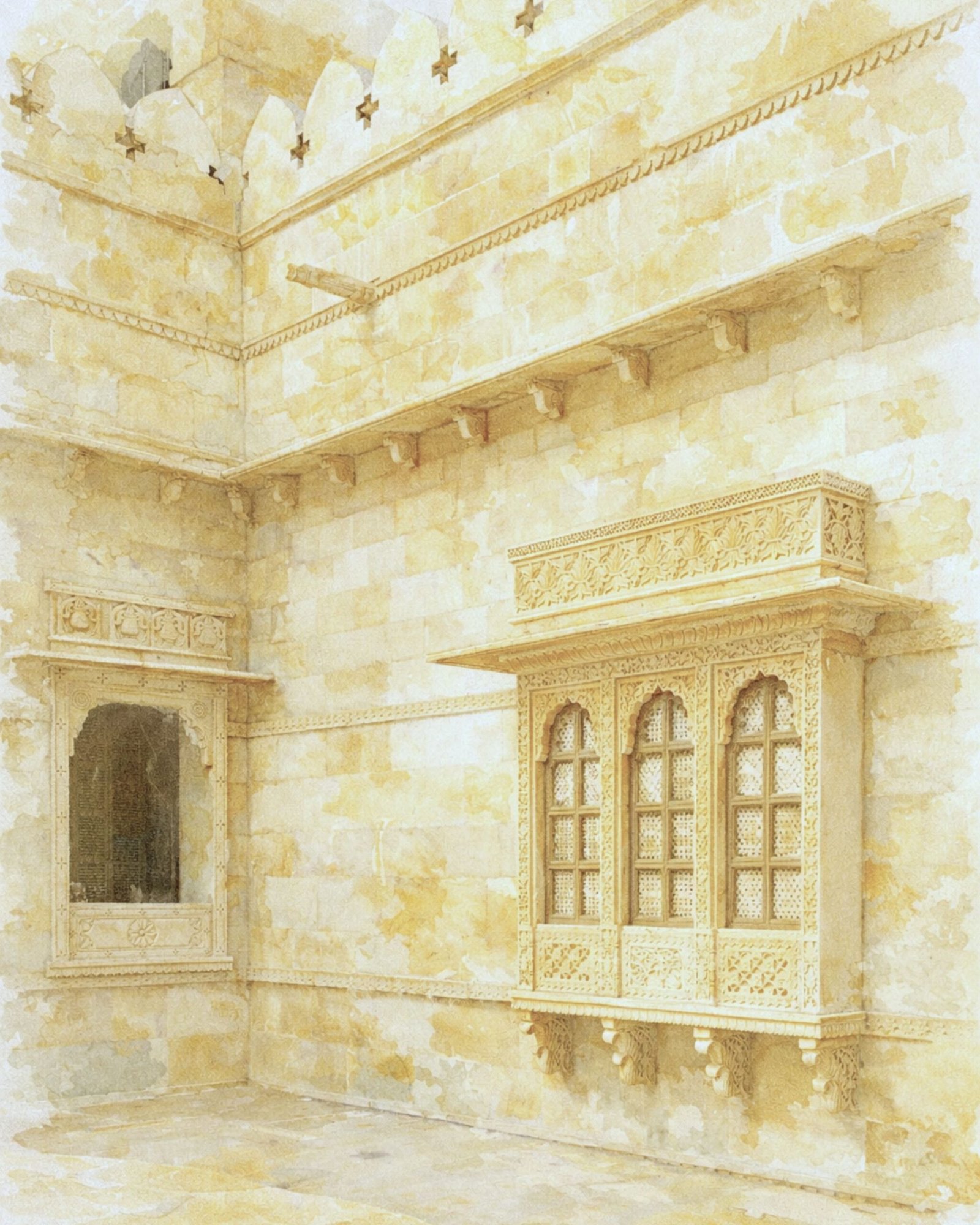
Intricately carved sandstone screens filter harsh desert light, break the heat, and invite a constant flow of cool air. The result? Interiors that breathe even when the “Thar Desert” burns outside.
Through delicate latticework, hot desert winds were softened, slowed, and cooled, turning architecture into a natural air-conditioning system long before electricity existed.
Many of these jaali systems began appearing prominently in Jaisalmer’s havelis during the 17th–19th centuries, shaped by skilled artisans responding to the desert’s extremes.
"An old design, but an intelligent one.
It’s a reminder that sometimes, the future of sustainability is already written in the past."
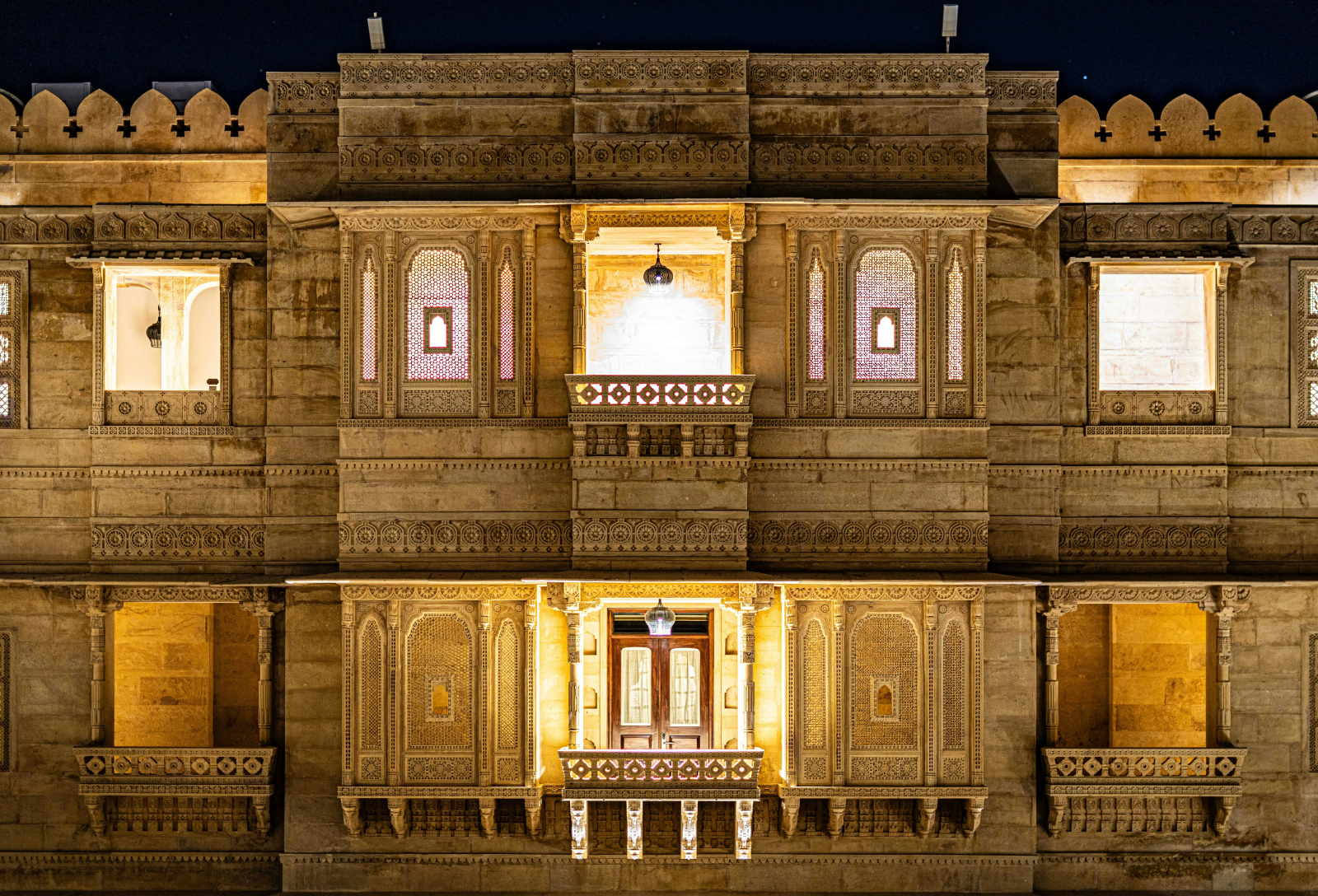
An old palace at night glows softly, its carved jaali screens casting beautiful patterns of light and shadow.
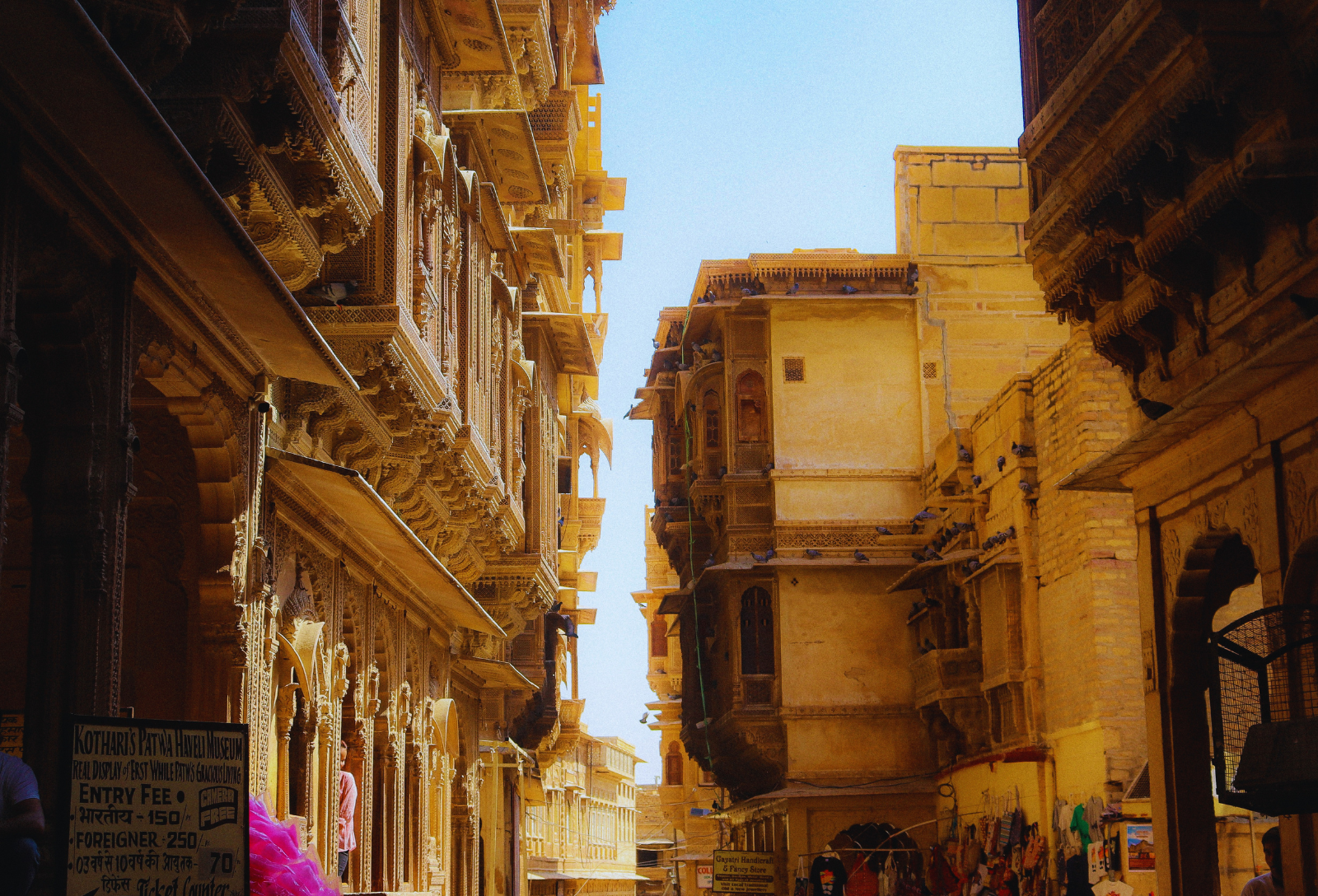
Built by a wealthy trader for his five sons, Patwon Ki Haveli is known for its finely carved facades and mirror work.